


Drum Pad article
Drum Pad for Beginners: A Complete Guide
Feeling lost in front of a shelf of drum pads? Here's the simplest, cheapest way to get started, plus a beginner practice routine that actually works.
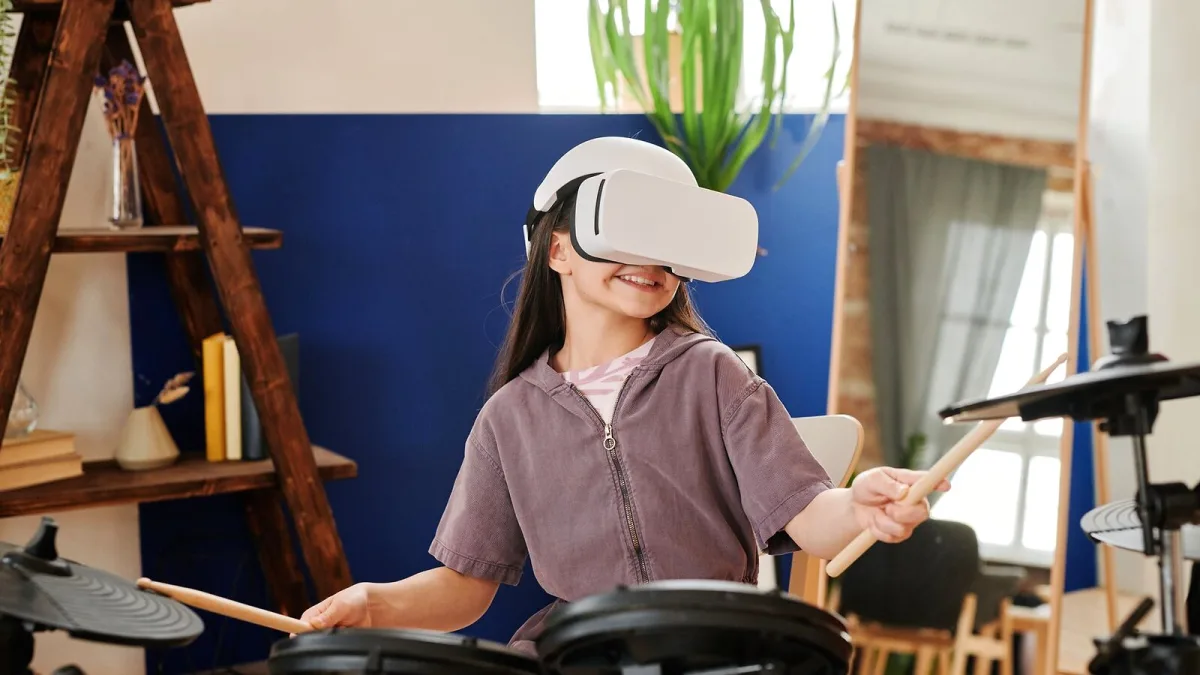
If you're standing in front of a shelf of drum pad options feeling slightly lost, that's completely normal — the name covers several very different things, and nobody explains that at the point of sale. Good news: you don't need to understand all of it to get started. Here's the easiest path in, without the jargon overload.
Start with the cheapest, simplest option: a practice pad
If your goal is just to learn to hold sticks properly, keep time and build up rudiments, you don't need any electronics at all. An acoustic practice pad — a small rubber or silicone disc on a base — gives you rebound and a quiet surface to hit. No wiring, no settings, no manual to read. It's genuinely the least intimidating way to begin, and it's what most drum teachers hand a total beginner on day one.
Pair it with a metronome app on your phone, and you've got everything you need for your first few weeks.
A simple first practice routine
You don't need a structured lesson plan to make progress. Something like this, five minutes on each, is plenty to start:
- Single strokes — one hit per hand, alternating, nice and even.
- Doubles — two hits per hand before switching, keeping both hits the same volume.
- Paradiddles — a simple sticking pattern (right-left-right-right, left-right-left-left) that builds hand independence.
- Accents — play a pattern where every fourth hit is deliberately louder, to build control over dynamics.
- Free time with a metronome — just keep a steady pulse and notice where you speed up or drag.
Record yourself on your phone occasionally. It sounds awkward, but it's the fastest way to notice things you can't feel in the moment — an uneven double, a rushed accent, that sort of thing.
When you're ready for something electronic
Once you've got basic sticking down, or if you're pairing this with an existing electronic kit, the next step up is an electronic pad — a surface with sensors that reports your strikes to a sound module. Don't worry about mastering every setting straight away. The two things worth understanding early are:
- Velocity sensitivity — the pad notices how hard you hit it, so a gentle tap and a full hit sound different. This is what makes electronic playing feel expressive rather than robotic.
- Trigger zones — some pads can tell the difference between hitting the middle and hitting the edge, giving you separate sounds like a real drum's head and rim.
You genuinely don't need to understand MIDI, USB routing or sample loading to enjoy this stage. Those things matter more once you're customising a setup — which is a problem for a slightly more experienced future you.
A gentle word on surfaces
You'll see pads described as rubber or mesh. Neither is "wrong" for a beginner. Rubber is cheaper and tougher, which is honestly a fair trade if you're still deciding whether this is for you. Mesh feels closer to a real drum and runs quieter, which matters if you're practising somewhere with thin walls — but it costs more, and that extra spend isn't essential on day one.
You don't need to buy the "best" drum pad
It's tempting to research endlessly before spending a penny, but the truth is that almost any reasonably reviewed beginner pad will teach you what you need to know. The habit of practising regularly matters far more than which specific unit you own. Once you've got a feel for what you actually enjoy — quiet technique work, triggering sounds, or feeding a laptop — our buyer's guide and round-up by budget are there for when you're ready to upgrade with real intent.
Common early wobbles, and why they're normal
A few things trip up almost everyone at the start:
- Uneven hands — most people have a naturally stronger side. It evens out with deliberate practice, not by rushing.
- Tensing up — gripping the sticks too tightly makes rebound harder to use. Relax your grip more than feels natural.
- Chasing speed too soon — evenness matters more than tempo early on; speed comes naturally once the pattern is solid.
None of this means you're doing it wrong — it means you're doing it. If you want a fuller list of pitfalls to watch for as you progress, our piece on common drum pad mistakes is worth bookmarking for later. And if you want the fuller technical picture of how the different pad types actually work, our drum pad explainer is there whenever you're curious.
The bottom line for beginners
Start simple, start cheap, and don't let the sheer variety of drum pad types put you off before you've even hit one. A basic practice pad and a metronome will teach you more in a month of regular use than weeks of research ever will. Everything else — zones, connectivity, sampling — can wait until you actually know what you're missing.




Comments