


Cajon Drumming article
Cajon Drumming for Beginners: A Complete Guide
No music reading, no drum kit, no pressure — here is a gentle, encouraging way to take your first steps in cajon drumming.
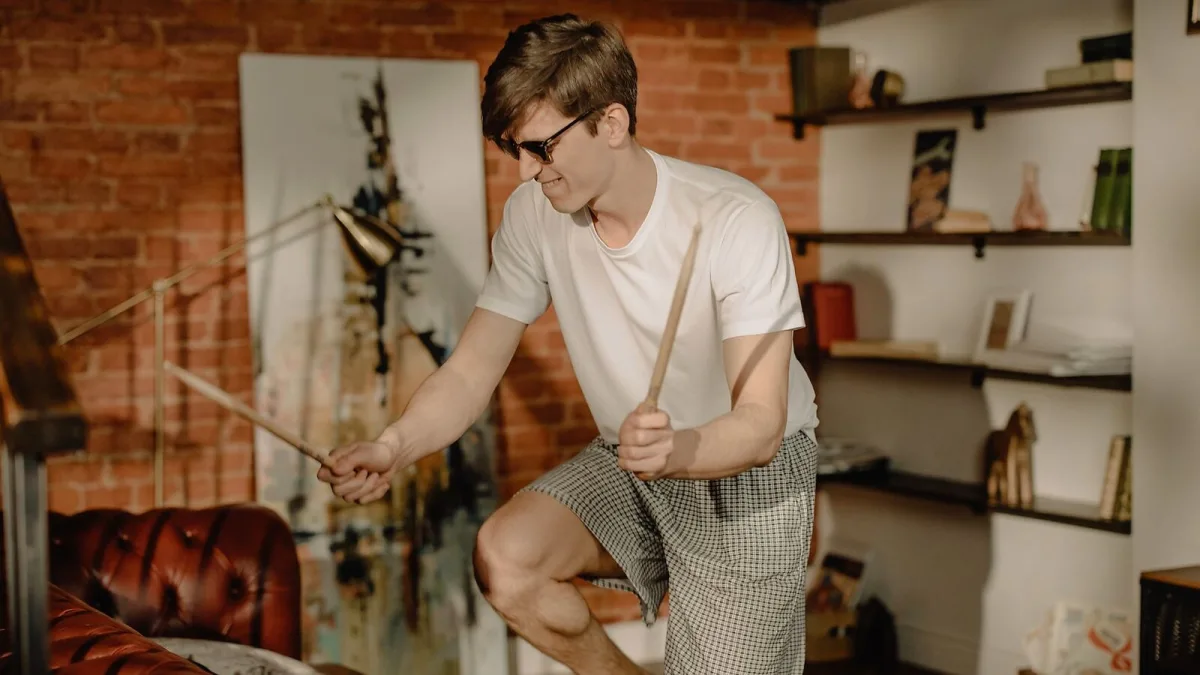
Good news for anyone nervous about starting: cajon drumming is one of the friendliest ways into percussion there is. You don't need to read music, you don't need a room to yourself for a drum kit, and you can get a genuinely musical sound out of the box within your first sitting. Here's a calm, step-by-step way to begin.
Getting Your Posture Right, First
Before worrying about sound at all, sit properly. Perch near the front edge of the box rather than dead centre, keep your back and shoulders relaxed, and let your feet rest flat on the floor. If your wrists feel awkward reaching the front panel, try angling the box very slightly rather than hunching forward — comfort now will save you strain later.
Your First Three Sounds
- Bass. Strike the centre or lower-middle of the front panel with a relaxed, flat hand, letting it bounce straight back off the surface rather than pressing in. This gives the deep, low thump.
- Tone. Move your hand higher, closer to the fingers, and strike again. You should hear a clearer, more resonant note sitting between the bass and the next sound.
- Slap. With relaxed fingers near the top corners, let them snap against the surface for a sharp, bright crack.
Practise each one in isolation until it feels reliable before trying to combine them. Rushing this stage is the single biggest reason beginners feel stuck later.
Your First Simple Groove
Once the three sounds feel steady, try this classic four-beat starting pattern, counted as "1-and-2-and-3-and-4-and":
- Bass on beats 1 and 3
- Slap on beats 2 and 4
- Light, quiet taps on the "ands" in between
Use a metronome, start slowly, and resist the urge to speed up before it feels genuinely comfortable. Even timing matters far more at this stage than volume or flashy fills.
Common Early Wobbles, and Why They're Normal
| What you might notice | What's actually happening |
|---|---|
| Bass sounds thin or clicky | Hand is likely too stiff; let it rebound rather than pressing into the surface |
| Slap doesn't crack properly | Fingers are too tense; relax them and let them snap naturally |
| Pattern falls apart when combining sounds | Completely normal — slow the tempo right down and rebuild it a piece at a time |
| Hands feel tired quickly | You're probably striking harder than necessary; let technique do the work, not force |
Looking After Your Hands
Keep your fingers relaxed rather than stiff and outstretched, alternate hands during repeated patterns, and stop if you feel any real pain in your fingers, wrists or forearms — a short break is always the right call. Build up playing time gradually, especially once you start practising the slap, which asks more of your fingers than the bass or tone strokes.
What to Practise This Week
Spend a few short daily sessions on the three core sounds and the basic groove above rather than one long weekly session; consistency beats duration when you're this early into cajon drumming. Once the pattern feels genuinely solid, try adding ghost notes — very quiet fingertip taps between the main hits — to make it sound less mechanical.
If you haven't chosen your instrument yet, our buyer's guide covers what actually matters when picking one, and our complete guide to the instrument is a good next read once the basics feel comfortable. Everyone who plays this instrument well started with exactly these three sounds — give it a fair week before judging your progress.



Comments