


Cajon Drumming article
Cajon Drumming Explained: Features, Types and Tips
One box, three drum-kit sounds: here is what cajon drumming actually is, its Afro-Peruvian and flamenco history, and how the instrument works.
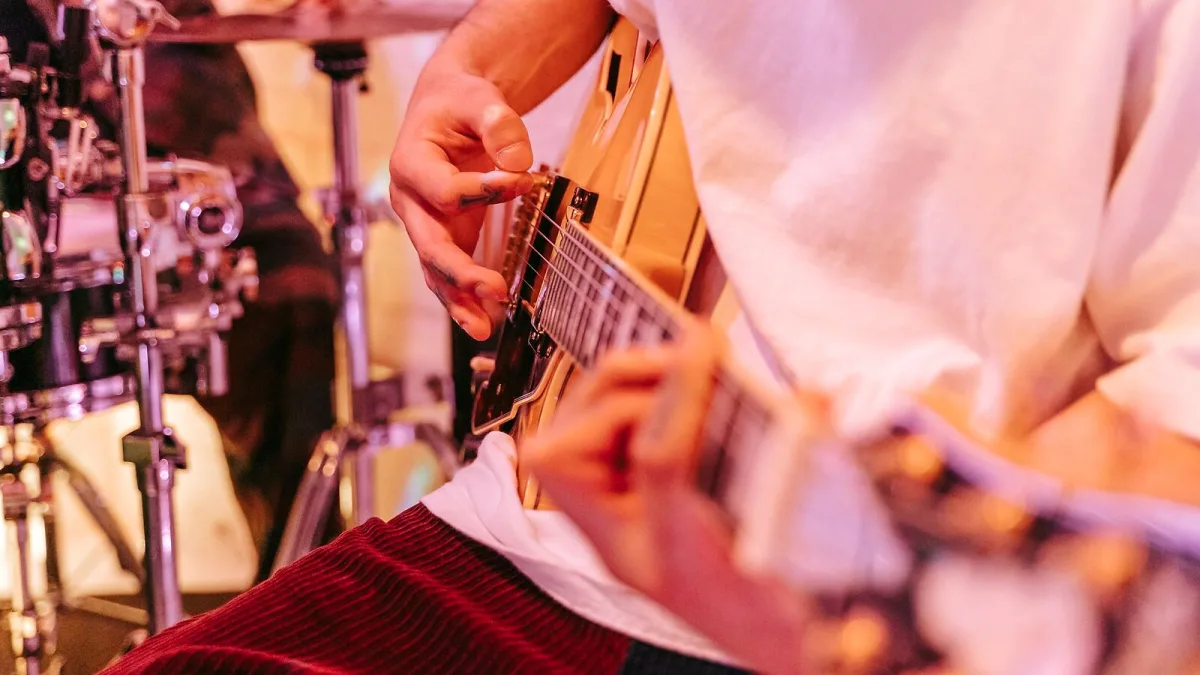
Sit on a wooden box, slap the front of it, and somehow get a bass drum, a snare and a tambourine's worth of sound out of one instrument — that is cajon drumming in a nutshell. It looks almost too simple to be a serious instrument, which is exactly why so many guitarists, singer-songwriters and touring drummers end up owning one. Here is what it actually is, where it came from, and how it makes all those different sounds.
What Is Cajon Drumming, Exactly?
The cajon (pronounced ka-HON, Spanish for "box" or "crate") is a six-sided percussion box that the player sits on and strikes with the hands. The front panel — called the tapa — is thin enough to flex and resonate, while a hole cut into the back lets the sound project outward. Depending on where and how you hit the tapa, one instrument can cover the roles a full kit would normally split between a bass drum, snare and hi-hat.
From Peruvian Crates to Flamenco Stages
The instrument's roots lie in colonial Peru, among Afro-Peruvian communities. With traditional African drums restricted under colonial rule, musicians adapted whatever wooden containers were to hand — crates, drawers, fish boxes — into makeshift drums, and the cajon grew out of that resourcefulness rather than any single inventor's design. It became central to Afro-Peruvian styles such as festejo and landó.
Its journey into flamenco is more recent and reasonably well documented: Peruvian musician Caitro Soto is generally credited with introducing the cajon to flamenco guitarist Paco de Lucía during a visit to Peru in the late 1970s. Percussionist Rubem Dantas then helped develop its role within flamenco ensembles, and Spanish builders began adding internal wires for a sharper, buzzier response — the sound most people now associate with the instrument.
Anatomy of the Instrument
| Part | What it does |
|---|---|
| Tapa | The thin front playing surface; controls most of the attack and sensitivity |
| Body | The resonating wooden box behind the tapa |
| Sound hole | Usually cut into the rear panel; shapes and projects the internal resonance |
| Snare system | Wires or guitar strings fitted inside many modern boxes for a buzzing edge |
| Feet | Raise the body so the rear sound hole can work properly |
The Three Core Sounds
- Bass. A relaxed, flat hand striking the centre or lower-middle of the tapa produces a deep, rounded low end.
- Tone. Playing higher up, closer to the fingers, gives a clearer, more resonant note between bass and slap.
- Slap. Relaxed fingers near the top edge or corners produce a sharp, snare-like crack.
Ghost notes — very light fingertip taps between the main hits — are what stop a simple bass-and-slap pattern sounding mechanical, and they are as much a part of the technique as the louder strokes.
Peruvian, Flamenco or Snare: Not All Boxes Sound Alike
| Style | Typical sound | Best suited to |
|---|---|---|
| Peruvian cajon | Often no internal snare; warm, open, woody tone | Afro-Peruvian styles, players wanting a clean bass |
| Flamenco cajon | Wires or strings for a buzzy, responsive edge | Flamenco, acoustic accompaniment |
| Snare cajon | Built around a pronounced internal snare | Pop, worship, acoustic rock — anything wanting a drum-kit feel |
A pricier box is not automatically the "better" one — a traditional Peruvian player may actively prefer a snare-free response that a flamenco player would find dull, and vice versa.
Why It Has Caught On Far Beyond Peru
Cajon drumming's appeal is practical as much as musical. One box replaces a kit's worth of hardware, fits in a car boot, needs no assembly, and sits at a volume that suits an acoustic gig, a church service or a living-room singer-songwriter set without a single microphone in sight. That combination of portability, low volume and genuine musical range explains why it has spread from Afro-Peruvian and flamenco music into acoustic pop, folk, worship bands, busking and percussion classrooms worldwide.
If you like the sound of it and want to try playing rather than just reading about it, our beginner's guide to cajon drumming walks through your first strokes and rhythms, and our buyer's guide covers exactly what to look for when choosing your first box.
Underneath the simplicity, then, is a genuinely versatile instrument with a distinct history, a real technique to learn and a surprising amount of sonic range packed into one wooden box.



Comments