


Cajon Flamenco article
The Ultimate Guide to Cajon Flamenco Duende
The cajon flamenco brings authentic Spanish rhythmic traditions to life through passionate, soulful accompaniment. This guide explores the instrument's origins, techniques and how to begin your flamenco percussion journey.

The rhythmic heartbeat of flamenco music flows through the cajon—a surprisingly versatile box drum that stands central to Spanish percussion traditions. Whether you're exploring world percussion or discovering authentic flamenco rhythms, understanding this distinctive instrument opens musical doorways into passionate, soulful traditions.
The Origins and Spirit of Cajon Flamenco
Born in Peru but embraced and transformed by Spanish guitarists and dancers, the cajon represents cultural fusion at its finest. Spanish flamenco musicians adopted and refined what was once a working-class Peruvian instrument into something integral to authentic flamenco accompaniment.
The cajon flamenco differs from its Peruvian cousin through subtle construction refinements and playing technique specifically developed for flamenco's complex rhythmic demands. These specialised boxes produce crisp, cutting tones perfectly suited to accompanying passionate vocals and intricate footwork.
Construction and Materials
A traditional flamenco cajon consists of a wooden box with a playing surface called the tapa—typically made from thin hardwood like pine or spruce. The depth ranges typically from 40–50 centimetres. Quality construction matters enormously because the wood must vibrate sympathetically, producing resonant tone rather than dead thud.
Inside, snare wires or guitar strings create the distinctive buzzing sound characteristic of this style. These elements interact with wood resonance to produce the bright, crisp attack flamenco players require. Professional instruments feature carefully selected and seasoned wood producing superior projection and tone quality.
Sound and Playing Techniques
The cajon flamenco produces multiple tones depending where and how you strike the wooden surface. The centre delivers deep bass response. Moving toward edges creates progressively brighter, higher-pitched sounds. Striking near snare wires produces the characteristic buzzing. Technique and finesse generate the dynamic range this instrument provides.
Flamenco players develop extraordinary facility with their hands and fingers, creating complex polyrhythmic patterns and intricate rolls. The fundamental technique starts with basic repetitive patterns—the rumba, the tangos, the alegrías—each with distinctive rhythmic structure. Mastering these foundational patterns opens pathways to improvisation and creative expression.
Comparison with Other Percussion Options
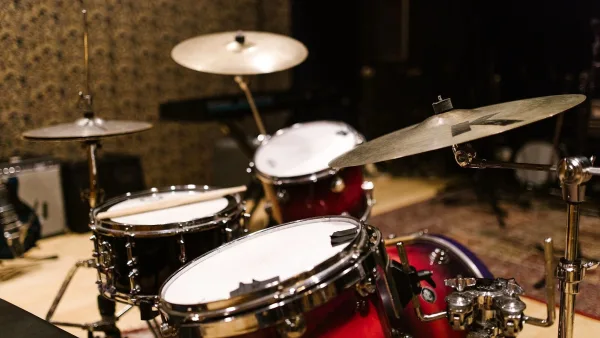
Unlike drum kits or other percussion instruments, the cajon offers intimate, acoustic tone perfectly suited to traditional acoustic performance contexts. It requires no electricity, no amplification and connects directly with the listener through pure, undisguised sound.
Compared to the Peruvian cajon, the flamenco version emphasises brighter tones and more responsive playing surface. Compared to bongos or djembes, this box shape allows player positioning directly on the instrument itself, creating physical connection central to traditional flamenco culture.
Choosing Quality Instruments
Entry-level student models cost £50–120, offering adequate construction for learning fundamentals. Intermediate instruments range £200–400 with superior tone and build quality. Professional-grade pieces—handcrafted by master builders—exceed £500 and sometimes reach £1000 or more.
Investment in quality directly impacts learning experience and longevity. Better instruments respond more sensitively to technique, providing audible feedback that encourages proper development. They age beautifully, often improving tonally over years of playing.
Learning Flamenco Rhythms
Authentic flamenco accompaniment requires understanding the complex metric structures underlying traditional forms. Each major style carries its own rhythmic DNA. The rumba employs four-beat patterns; the tangos use straightforward four-four timing with characteristic accents; the alegrías feature complex twelve-beat cycles.
Beginning students start with these foundational patterns, building hand coordination and developing the finesse required for dynamic expression. Patient practice reveals how subtle timing variations and dynamic control transform basic patterns into emotionally engaging accompaniment.
Beyond Traditional Contexts
Contemporary musicians increasingly incorporate cajon accompaniment into contexts beyond flamenco—fusion, world music, even jazz and contemporary classical compositions. These cross-genre applications demonstrate the instrument's fundamental versatility and sonic richness.
The intimate, acoustic character appeals to singer-songwriters and acoustic ensembles seeking percussion alternatives to drum kits. World musicians value both the cultural authenticity and the unique sonic palette these boxes provide.
Maintenance and Care
These wooden instruments require basic care. Store in stable temperature and humidity conditions to prevent cracking. Wipe the playing surface occasionally to remove built-up residue. Replace worn snare wires periodically—a simple maintenance task preserving responsiveness and tone quality.
Proper treatment ensures these instruments serve reliably for decades, often improving sonically with extended playing. Many professional musicians treasure instruments owned and played for generations, developing increasingly warm, complex tone.
Starting Your Flamenco Percussion Journey
If authentic flamenco accompaniment intrigues you, start with affordable student instruments and quality instruction. Listen extensively to traditional recordings, absorbing the rhythmic patterns and emotional expression driving this music. Hands-on practice and patient development build facility and understanding far more effectively than abstract study.
The cajon flamenco remains a gateway into passionate musical traditions connecting player, listener and the cultural heritage sustaining these rhythms. The journey begins with listening carefully and playing with authentic intention.



Comments