


Beginner Drum Kit article
Beginner Drum Kit Explained: Features, Types and Tips

A beginner drum kit combines several percussion instruments into one setup so a single player can provide rhythm and timekeeping across rock, pop, funk, jazz and countless other styles. The basic concept is straightforward: a bass drum for low frequency, snare for definition, toms for fills and cymbals for shaping patterns. But understanding what actually belongs in a beginner kit, and why, requires looking at how each piece contributes to drumming fundamentals. A complete kit requires more than the shells alone—you need hardware, cymbals, stands and a throne to have something genuinely playable.
The Core Components of a Drum Kit
A standard beginner kit includes a bass drum, snare drum, one or two mounted toms, a floor tom, cymbals (hi-hat, ride and crash), stands, a bass-drum pedal and a throne. Some people think the drums themselves are all that matters. They're wrong. A kick pedal that's unstable or poorly designed frustrates you. Cheap cymbal stands that wobble undermine everything else. A throne that's uncomfortable affects your posture and technique.
Each piece serves a specific purpose. The bass drum supplies the fundamental low-frequency pulse, played with a foot pedal. The snare creates the backbeat and snap that defines most grooves. Toms provide melodic fills and rhythmic variation. Cymbals shape timekeeping patterns and transitions. Every component matters.
Four-Piece Versus Five-Piece Kits
A four-piece kit consists of a bass drum, snare, one mounted tom and a floor tom. It's compact, economical and sufficient for learning fundamental grooves across most styles. Many professional drummers work happily with four-piece setups their entire careers.
A five-piece kit adds a second mounted tom. This gives more options for fills without substantially changing how you learn basic technique. The difference in cost between four and five is usually modest. For beginners deciding between them, five-piece is arguably more versatile without being more complex to play.
Acoustic Drums Versus Electronic Kits
This decision is primary and affects everything that follows. Acoustic drums produce sound through the physical vibration of drumheads struck by sticks. They offer direct stick response, natural dynamics and authentic playing experience. Electronic kits use trigger pads connected to a drum module—the "brain"—that generates sound electronically.
Acoustic drums expose you to volume, resonance, stick response and physical control. Learning on acoustic drums develops your ability to hear and feel dynamics in ways electronic kits struggle to replicate. But acoustic drums are loud. Neighbour complaints are real. Apartment living becomes complicated. You need room to position the kit properly.
Electronic kits offer volume control via headphones, practice without disturbing others, built-in metronomes, and coaching tools. Sound variety is extensive. You can record directly to a computer via USB or MIDI. Modern electronic kits with mesh heads feel much closer to acoustic drums than older rubber-pad alternatives. But the hi-hat response and cymbal behaviour still differ from acoustic cymbals. The feeling isn't identical.
Drum Kit Sizes and Shell Configuration
Bass drum sizes typically range from 18 to 22 inches. An 18-inch is compact and easier to position. A 20-inch balances versatility and volume. A 22-inch produces more low-end power but is larger. For most beginners, 20-inch is the sensible choice.
Snare drums are usually 14 inches with varying depths. This is standard across most music styles. The shell material and depth affect tone, but 14-inch is where you start.
Tom sizes follow a hierarchy: high tom, mid tom (if you have five-piece), floor tom. Beginners don't need many toms. One mounted tom and one floor tom provide enough range for learning fills and transitions.
Cymbals and Their Roles
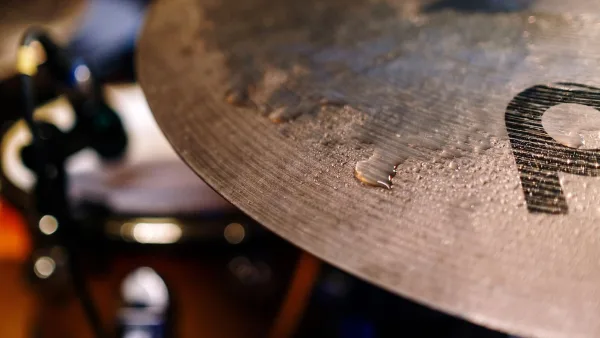
A functional beginner setup needs at least three cymbals: hi-hat, ride and crash. The hi-hat provides steady eighth-note patterns and timekeeping. The ride carries the main beat in jazz and many other styles. The crash provides accents and transitions. More cymbals are nice but not necessary for beginners.
Cymbal size and alloy matter less for beginners than having stable stands and usable playing surfaces. Cheap package cymbals can be a weak point in entry-level kits. They don't wear well. They sound harsh. Upgrading to decent quality cymbals mid-journey is often worth the investment.
Electronic Kit Considerations
An electronic kit's quality depends heavily on the module—the brain that processes trigger signals and generates sounds. Important features include adjustable sensitivity and threshold, multiple sound kits, a decent metronome and practice modes. Headphone output is essential. Bluetooth or auxiliary audio input lets you play along with songs. USB MIDI connectivity opens recording and software possibilities.
Mesh heads generally provide better rebound and quieter play than hard rubber pads. They feel closer to acoustic drums. A variable hi-hat controller is preferable to a simple on/off pedal. A kick tower that accepts a conventional bass-drum pedal feels more natural than a small integrated switch.
Essential Accessories Beyond the Kit
Beyond the drum kit itself, you need a decent throne (quality matters for comfort and posture), spare drumsticks, a drum rug to prevent pedal creep and absorb some vibration, hearing protection if playing acoustic drums, and a metronome. Replacement heads, cymbals and snare wires are consumable components. Budget for them as part of ongoing ownership.
A beginner drum kit is a complete system, not just a collection of drums. Understanding how each component contributes—from shell sizes to cymbal stands to pedal stability—is how you make informed choices. Whether you choose acoustic or electronic depends on your living situation, budget and learning priorities. Either path teaches you to play drums properly.





Comments