


Beginner Drum Kit roundup
Beginner Drum Kit: A Complete Buyer's Guide

Buying a drum kit is a decision that deserves clear thinking. You'll find kits at every price point and with wildly different component quality. The core question is straightforward: what do you actually need to start learning drums properly without wasting money on low-quality components or missing essentials that make the kit unplayable? Understanding the difference between a complete kit and a shell pack—and what typically gets left out—is your first step.
Setting Your Budget and Knowing What It Buys
A practical beginner budget sits roughly between £400 and £800, though this varies by region, new versus used, and exact components included. At the lower end of this range, you get solid playable kits from established brands. Below £400, quality starts to suffer noticeably. Cymbals become harsh. Stands become wobbly. Bass pedals perform poorly. Above £800, you're moving into intermediate territory with nicer shells and hardware.
Budget consideration matters because you're not buying prestige. You're buying functionality. A £500 kit from a reputable brand outperforms a £300 kit from a discount supplier every time. Spend the money on things that matter: hardware stability, usable cymbals, a workable pedal and a comfortable throne.
New Versus Used: When Used Makes Sense
Buying used from an established manufacturer often gets you better shells and hardware than a new budget package. A used five-year-old mid-level Pearl kit beats a brand-new ultra-cheap package from an unknown manufacturer. The shells, bearing edges and tuning lugs are better. The cymbals won't disappoint you.
If you buy used, inspect for damage to bearing edges, missing tuning lugs and head condition. Listen carefully to how it sounds. Check that all stands lock properly. Verify that the bass pedal doesn't slip. A solid used kit from a known brand often represents better value than new budget alternatives.
Acoustic Kit Buying Considerations
When buying an acoustic kit, pay attention to shell construction. Wood-ply shells are standard. The number of plies affects tone and durability—8 ply is common for beginner kits. Confirm that bearing edges are clean and smooth. Rough edges make tuning difficult and indicate careless manufacturing.
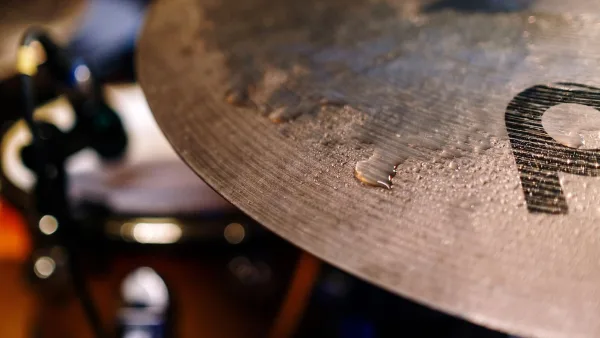
Cymbals matter enormously. Cheap cymbals included in package kits are often the weakest component. Upgrading to decent quality cymbals—brands like Sabian or Paiste—is frequently worth the investment. A basic cymbal set from a quality manufacturer sounds better than elaborate cheap cymbals.
Check hardware stability. Stands should lock without wobbling. The bass pedal should remain in position without creeping. A poorly designed pedal makes learning difficult and frustrating. Test this before buying if possible.
Electronic Kit Buying Considerations
For electronic kits, the module is primary. Check that it has sufficient features: adjustable sensitivity and threshold, multiple sound kits, a usable metronome, practice modes and headphone output. Bluetooth or auxiliary input lets you play along with songs. USB MIDI connectivity is valuable for recording or using educational software.
Mesh heads make a significant difference in feel. They provide better rebound than rubber pads and feel closer to acoustic drums. If the budget allows, mesh is worth the investment. A variable hi-hat controller is preferable to a basic on/off pedal. Kick towers that accept conventional bass pedals feel more natural than small integrated switches.
Expandability matters. Can you add pads later as your playing progresses? Can you upgrade to a better module? Products from established brands like Roland and Yamaha allow this. Cheaper alternatives lock you into a fixed configuration.
What's Included and What You Need to Add
Many kits advertised as complete don't include everything you actually need. Some exclude cymbals. Some exclude the bass-drum pedal. Some lack a proper throne. Before buying, verify exactly what's included. Don't assume a "drum set" is immediately playable.
Budget for additions: spare sticks, a drum rug, hearing protection if acoustic, replacement heads and possibly a metronome. These aren't part of the base kit cost, but they're part of ownership. Plan for them.
Key Brands and Their Reputations
Established acoustic brands include Pearl, Tama, Yamaha, Mapex, Gretsch and Ludwig. These manufacturers have consistent quality standards. Pearl and Tama are particularly known for beginner-friendly pricing without sacrificing playability. Roland and Yamaha dominate electronic kit manufacturing. Roland's educational features and mesh-head options are particularly strong for beginners.
Brand reputation matters, but only within reason. Don't overpay for prestige. Do prioritize brands with consistent quality control and available support.
Testing Before You Buy
If possible, test kits before purchasing. Listen carefully. Play for a few minutes. Feel the stick response. Check cymbal clarity. Try the pedal action. Listen for rattles or creaks. A poor-quality snare stand rattles noticeably. Cheap cymbal stands flex. Good equipment feels solid.
If you're buying online, check return policies. Some retailers allow returns or exchanges within a reasonable period. This protects you if components underperform or arrive damaged.
Making Your Purchase Decision
Choose your budget. Decide acoustic or electronic based on your noise situation. Research brands. Check that everything you need is actually included. Test if you can. Buy from a reputable retailer. Don't sacrifice quality to save £50. That £50 saving often costs you £200 later when cheap cymbals need replacing or a wobbling stand frustrates your practice.
A complete beginner kit that you can trust will serve you for years. Invest wisely in fundamentals: solid hardware, usable cymbals and a comfortable throne. Those decisions matter more than having numerous drums or trendy features.





Comments