


Bass Drum roundup
Bass Drum: A Complete Buyer's Guide
Diameter, depth, heads and hardware, in the right order: a practical buyer's guide to choosing a bass drum that actually suits your genre and room.
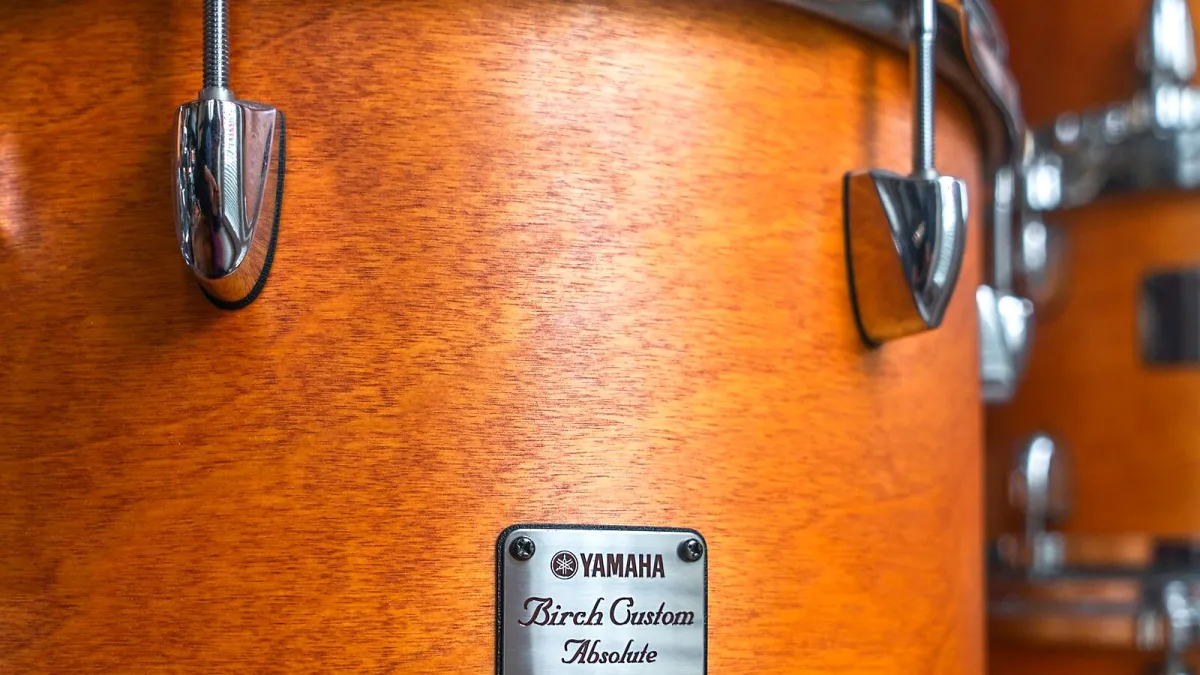
Buying a bass drum gets a lot easier once you stop chasing a single "best" size or shell type and start thinking about the actual variables that shape its sound: diameter, depth, heads, and how you plan to mic or muffle it. Here's what's genuinely worth your attention, and what's mostly noise.
Work Out Your Genre and Room First
Before you look at a single spec sheet, think about where this bass drum is actually going to live: a jazz gig that wants a quick, articulate response, a rock stage that wants maximum low end, or a home studio where you'll be micing it close and often. That single decision shapes every spec choice below far more than any individual number on a box.
Diameter: The Spec Everyone Fixates On
Drum-kit models typically run from around 18 to 28 inches, with 22 inches the broadly versatile, general-purpose default. Smaller diameters respond faster and suit jazz or compact setups; larger ones spread further into the low end and suit rock or bigger stages. It's a genuine tendency, not a hard rule — head choice and tuning can shift the result more than diameter alone.
Depth Matters Almost as Much
Common depths run roughly 12 to 18 inches. A shallower shell tends to respond more quickly; a deeper one adds body and sustain. Depth and diameter interact, so it's worth thinking of them as a pair of dials rather than judging either spec in isolation.
Heads: Batter and Resonant
The batter head is the one you actually strike; the resonant head sits on the far side and shapes sustain and projection. Manufacturers including Remo, Evans and Aquarian offer single-ply, two-ply, coated and pre-muffled options, each trading attack, durability and built-in damping differently. A pre-muffled batter head is a sensible shortcut if you don't want to fuss with dampers separately.
Shell Construction and Hardware
Wood shells dominate the drum-kit market, with bearing-edge shape and condition genuinely affecting tuning response and resonance — it's not just marketing language. Check the lugs and tension rods turn smoothly, and that spurs are sturdy enough to actually stop the drum creeping forward mid-song, which is a more common annoyance than most buying guides admit.
Pedal and Beater: Don't Treat Them as an Afterthought
A bass-drum pedal converts your foot motion into a beater strike, and pedal feel — spring tension, cam shape, chain versus direct drive — varies enough between models that it's worth testing rather than assuming. Beater material changes tone too: felt for warmth, plastic for attack, wood for a properly aggressive edge. If you're eyeing double-bass patterns, a double pedal or a second single pedal both work, and it comes down to space and personal feel more than performance.
Specs Worth Checking, at a Glance
| Spec | What to actually look for |
|---|---|
| Diameter | 22" for general use; smaller for quick response, larger for maximum low end |
| Depth | Shallower for speed, deeper for body and sustain |
| Batter head | Single-ply for openness, two-ply or pre-muffled for control |
| Bearing edges | Clean, consistent, no visible damage or warping |
| Hardware | Smooth lugs and tension rods; sturdy spurs |
| Pedal compatibility | Hoop clearance and mounting suited to your pedal of choice |
Recording and Live Use: Think Ahead
If you'll be micing it regularly, a resonant head with a port makes placement easier and boosts attack, though cutting too large a hole trades away resonance. A drum you can eventually port or fit an external damper to gives you more flexibility later than one that locks you into a single sound from day one.
New or Second-Hand?
A second-hand bass drum can be genuinely excellent value, since shells rarely fail outright — heads, hardware and hoops are the parts that wear. Check for cracks or warping around the bearing edges, make sure the shell is properly round rather than oval from a hard knock, and budget for a fresh set of heads if the current ones look tired. A tidy shell with new heads often beats a "complete" cheap new kit's stock drum on tone alone.
The Bottom Line
Buy for depth, diameter, heads and hardware quality together, not any single headline spec. For the fundamentals behind all this terminology, our overview is the place to start, and our round-up by price tier is a sensible next stop once you know what you're after. Complete newcomers should see our beginner's guide first, and it's worth reading our common mistakes piece before you commit to a purchase.




Comments