


Vinyl Record Storage article
Common Vinyl Record Storage Mistakes to Avoid
Nobody sets out to wreck their own collection. It happens one small habit at a time, and every one of them is easy to fix once you spot it.
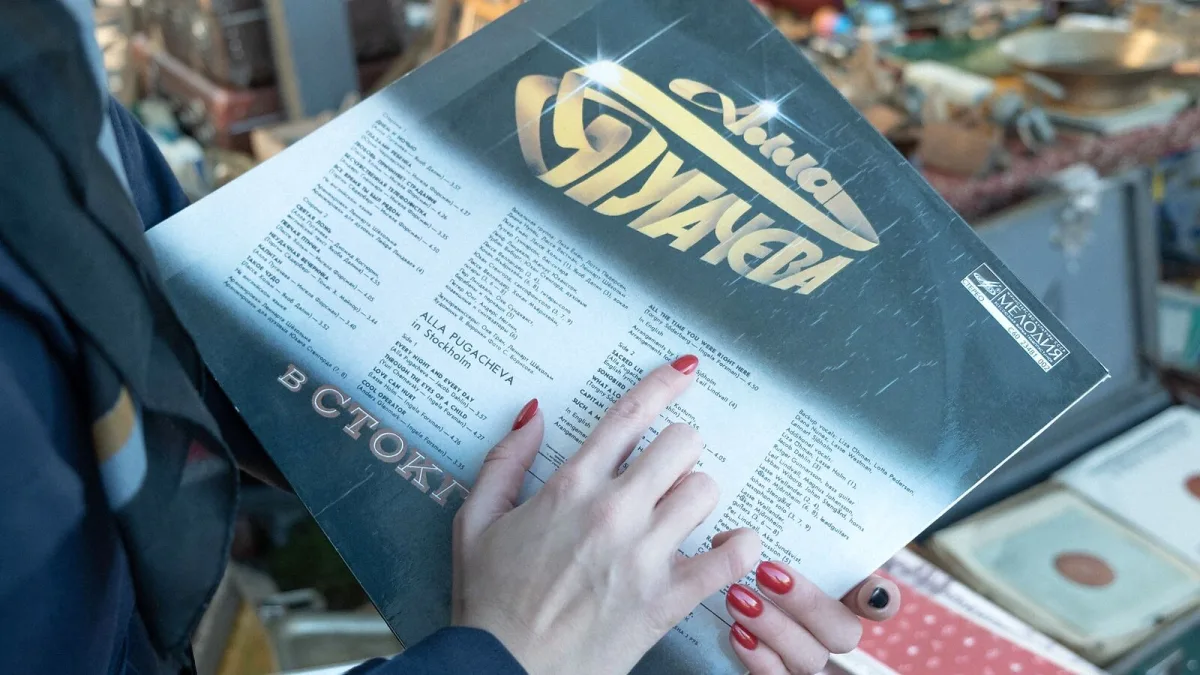
Nobody sets out to wreck their own record collection with bad vinyl record storage habits. It happens slowly, one small habit at a time, usually without anyone noticing until a favourite jacket turns up bent or a disc won't sit flat on the platter anymore. Here are the mistakes that do the most damage, and they're all easier to fix than you'd think.
Stacking Records Flat
This is the big one, and almost everyone's done it at some point — a pile of LPs on the floor, on top of the shelf, wherever there's space. Flat stacking puts the full weight of every record above onto the one underneath, and it's a well-documented contributor to warping. Records should always stand upright, like books, whatever they're stored in.
Leaving Rows Half Empty
It sounds harmless, but a shelf that's only got a handful of records leaning against each other, rather than a full, supported row, lets jackets sag sideways over time. A slightly too-full shelf is actually safer than a mostly empty one, provided you can still slide records out without forcing them.
Skipping Inner and Outer Sleeves
Records that go straight from the shop bag to the shelf, with nothing but the original paper sleeve if that, pick up dust, static and scuffs far faster than properly sleeved ones. A cheap inner sleeve and an outer plastic sleeve cost very little and do a huge amount of the protective work — skipping them to save a few quid is a false economy almost every time.
Putting Damp Records Straight Back Away
If you've just cleaned a record, or it's come in from the cold and picked up condensation, resist the urge to slide it straight back into its sleeve. Moisture trapped against the disc or the paper jacket is exactly the sort of thing that leads to mould, and once mould's taken hold, it's a much bigger job than a few minutes of patience would have been.
Storing Near Heat, Sunlight or Damp
Windowsills, radiators, fireplaces and airing cupboards all seem like reasonable spots until you notice a jacket's faded on one side or a record's picked up a gentle curve. The same goes in reverse: damp basements, garages and anywhere prone to condensation invite mould and warped cardboard. A boring, steady, ordinary room is almost always the safest option.
Mixing Formats in the Same Row
Seven-inch singles wedged in among 12-inch LPs, or a double gatefold squeezed between two standard single sleeves, might save space in the short term, but it leaves records without proper support on either side. Keep different formats and jacket types in their own sections, even if that means a slightly less tidy-looking shelf.
Ignoring the Weight
Fifty LPs can weigh in at around thirty pounds, and a full shelf holds a lot more than fifty records. Cheap, thin shelving can bow or fail under that kind of sustained load, and a tall unit packed with records is more top-heavy than it looks — worth bearing in mind if there's ever a chance of it getting knocked or pulled.
A Quick Comparison
| Mistake | What it causes | Easy fix |
|---|---|---|
| Stacking flat | Warping | Store upright, always |
| Half-empty rows | Leaning, sagging jackets | Use dividers or keep rows fuller |
| No sleeves | Dust, static, scuffing | Inner and outer sleeves on every record |
| Damp storage | Mould, warped cardboard | Cool, dry, steady room |
The Bottom Line
None of these vinyl record storage mistakes are dramatic on their own — they're the sort of small, repeated habits that quietly add up over months and years. Catch them early and there's nothing to undo; a collection stored properly from here on will simply stay in good shape. If you're setting up storage for the first time, our beginner's guide to vinyl record storage covers the basics, and our fuller guide to vinyl record storage goes into the detail behind every fix above.




Comments