


Vinyl Record Cleaner Kit roundup
Vinyl Record Cleaner Kit: A Complete Buyer's Guide
A crate-digger's guide to choosing the right cleaning setup: what the different systems actually do and which one is right for your collection and budget.
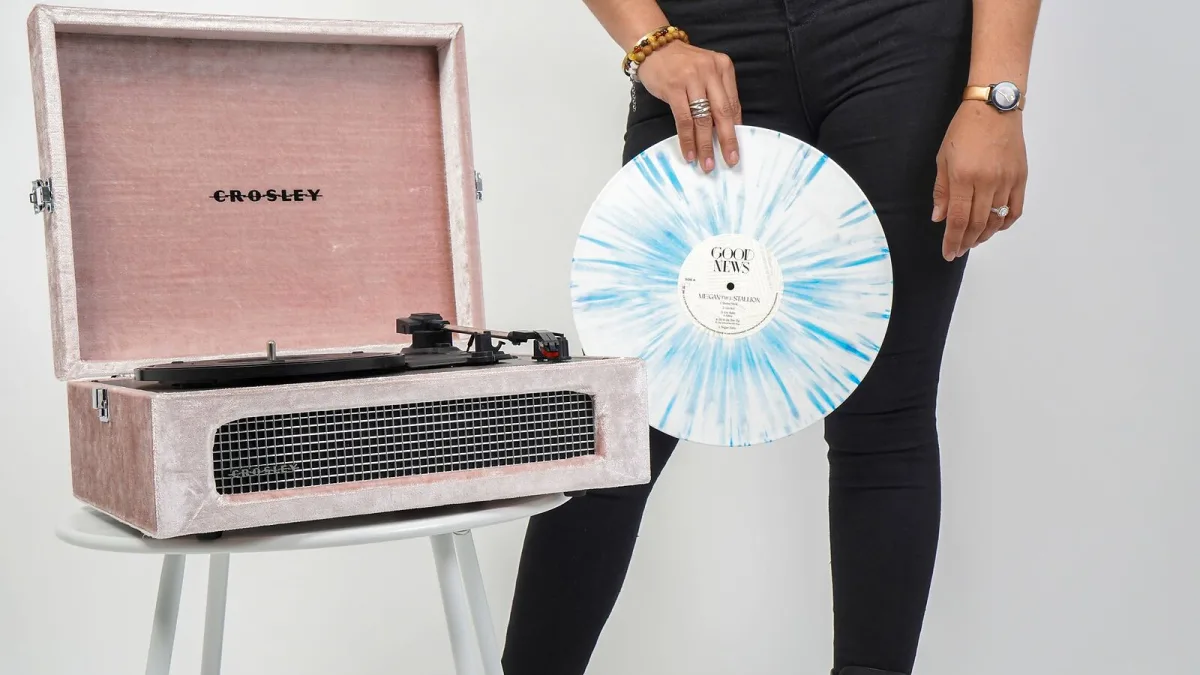
Buying a vinyl record cleaner kit is one of those decisions that looks simple from the outside and gets interesting once you start looking. There are bath cleaners, vacuum machines, ultrasonic units, fluid-only kits, DIY solutions — and strong opinions on all of them. Here is what actually matters when making the choice.
Start With What You Are Trying to Solve
The right kit depends heavily on where you are starting from. A new record buyer with a modest collection needs something different from someone rescuing a crate of charity-shop finds. Before spending anything, be honest about:
- Volume: How many records need cleaning, and how often?
- Condition: Are these pressed-in-last-year new purchases, or decades-old secondhand discs?
- Ambition: Is this a one-time deep-clean or an ongoing maintenance routine?
- Budget: Entry-level fluid kits cost under £20; vacuum machines start around £200; ultrasonic units can reach four figures.
Entry Level: Manual Wet Cleaning
For most new vinyl collectors, a manual vinyl record cleaner kit is the right starting point. The Spin-Clean Record Washer is the most widely recommended entry-level system in the UK and US markets: a bath-style unit where you rotate the record through a tank of cleaning fluid, and two pads clean both sides simultaneously. It is effective, affordable (around £50-70) and has stood up well over many years of use.
Other options in this category: the Knosti Disco-Antistat, which uses a similar bath approach, and standalone fluid-and-cloth kits from AudioQuest, Last Factory and others. These last are good for occasional cleaning but less suited to batch-processing a large collection.
Mid Range: Vacuum Record Cleaning Machines
If you are cleaning more than a handful of records a week, or if you take sound quality seriously, a vacuum cleaning machine is worth serious consideration. The machine applies fluid to the record surface, you spread it with a brush, and then the vacuum arm removes both the fluid and the lifted contamination with a single pass. The records come out genuinely clean — not just surface-wiped.
Entry points in the UK: the Record Doctor (around £200-250), the Okki Nokki (~£250-350) and the Pro-Ject VC-S (~£350-450). All are effective and durable. The difference between models at this level is mainly about build quality and noise level rather than cleaning performance.
High End: Ultrasonic Cleaning
Ultrasonic cleaning is the most thorough method available to home users. It dislodges contaminants from deep within the grooves rather than from the surface alone. Dedicated record ultrasonic machines — Degritter, Klaudio, Audio Desk Systeme — start around £1,000-1,500. They are a significant investment but deliver results that vacuum machines cannot match, particularly on heavily contaminated or mould-affected discs.
Some collectors use a combination: ultrasonic for initial deep cleaning of secondhand acquisitions, then vacuum cleaning for ongoing maintenance.
Cleaning Fluid: Do Not Skimp
Whatever system you choose, the fluid matters. Use a fluid designed for vinyl — not generic isopropyl alcohol. Proprietary fluids from Last Factory, Disco-Antistat, Mofi and similar brands are formulated to clean and rinse cleanly. Always rinse with distilled water if the process involves a separate rinse step — tap water leaves mineral deposits in the grooves.
Accessories Worth Adding
Alongside a vinyl record cleaner kit, two accessories make a significant difference:
- Carbon fibre anti-static brush: For dry dusting before every play. Removes surface particles and dissipates static. Small investment, noticeable difference.
- Anti-static inner sleeves: Standard paper sleeves shed fibres and generate static. Anti-static polyethylene sleeves dramatically reduce dust accumulation between plays.
For the process of actually using a kit, the setup guide is the place to start. For an overview of why cleaning matters and what the different systems do, the complete guide covers the ground. And for new vinyl collectors, the beginner's guide explains the fundamentals.
The Short Version
First kit: Spin-Clean or Knosti bath system, plus a carbon fibre brush for daily use. Cleaning regularly: a vacuum machine. Rescuing badly contaminated records: ultrasonic. And wherever you land, use a proper cleaning fluid and rinse with distilled water.




Comments