Skip to content

Sample Pad roundup

Sample Pad: A Complete Buyer's Guide

The right sample pad depends on how you use it. Here is a clear guide to the best options for live performance, studio production and beginners.
Sample Pad: A Complete Buyer's Guide

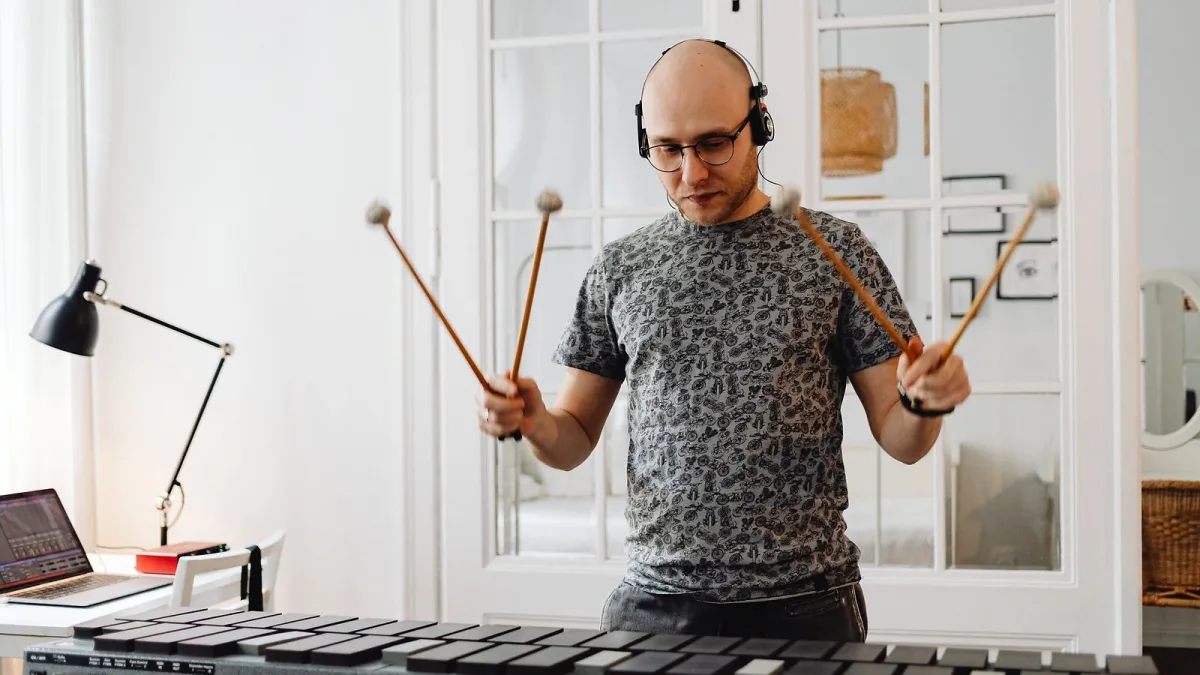
Buying the right sample pad depends on your primary use case. Performance, beatmaking and practice are different applications with different requirements, and the best choice for a touring drummer is quite different from the best choice for a producer in a home studio. This guide covers the main options at each level.

For Live Drumming: Roland SPD-SX Pro

The Roland SPD-SX Pro is the professional standard for drummers who need a reliable, self-contained sample pad for live performance. It features nine pads, a large onboard library, custom sample loading via USB, built-in effects and direct integration with drum kits through trigger inputs. The Pro edition adds larger pads, improved sensitivity and expanded connectivity over the earlier SPD-SX. It is expensive but justified for professional use. The original SPD-SX remains available secondhand at lower prices and is a very capable instrument.

For Production: Akai MPC or Native Instruments Maschine

For beatmaking and studio production, a sample pad optimised for sequencing and sampling is the right choice. The Akai MPC Live 2 is a self-contained production tool with onboard sequencing, sampling, effects and storage. The MPC X is the flagship, larger version. Native Instruments Maschine MK3 offers deep integration with the Komplete software ecosystem and is particularly strong for producers already in that environment. Both are significantly different from the live performance-oriented SPD-SX — they are production instruments first.

Budget and Entry-Level Options

The Alesis SamplePad Pro is the most popular entry-level performance sample pad. At around a hundred and fifty pounds, it includes eight pads, a built-in sound library and SD card loading. The Roland SPD::One series offers single-pad units for specific applications — the SPD::One Kick for bass drum sounds, the SPD::One Perc for percussion effects — at much lower prices. Basic MIDI pad controllers (Akai MPD series, Arturia BeatStep) are even cheaper but require a computer or external sampler. See our best models guide for recommendations.


Frequently Asked Questions

Is the Roland SPD-SX worth the price?

For a professional drummer who plays live regularly, yes. It is the industry standard for a reason — it is reliable, plays well and loads samples quickly. For an occasional user or someone on a tight budget, the Alesis SamplePad Pro or the original SPD-SX secondhand offer most of the core functionality at a much lower price.

What is the Akai MPC Live 2 best suited to?

Beatmaking, sampling and live electronic music performance. The MPC Live 2 is a self-contained production tool that records samples from audio inputs, arranges them in a sequencer and can be taken to a gig and played standalone. It is not the right choice for a drummer who wants to trigger hits from a drum kit — it is a production instrument with a performance capability.

Can I use one with my existing drum kit?

Yes, with the right connectivity. The Roland SPD-SX series has multiple trigger inputs allowing it to receive signals from acoustic drum triggers mounted on a drum kit. This allows the unit to trigger samples in response to hitting acoustic drums. Not all units have this — check for trigger inputs in the specifications if kit integration is important.

Is the Maschine MK3 standalone or computer-only?

The standard Maschine MK3 requires a computer running the Maschine software. The Maschine+ is the standalone version, which runs the full Maschine software without a computer. If standalone operation is important, the Maschine+ is the correct choice. The MK3 is a hardware controller for the software, not a self-contained instrument.

Should I buy new or secondhand?

Secondhand is a viable option for this category. Roland and Akai products are durable and hold up well over time. The main risk with secondhand units is pad wear — pads can develop dead spots or inconsistent sensitivity after heavy use. Test every pad at multiple velocities before buying, or buy from a dealer with a return policy. Reputable online marketplaces with buyer protection are a reasonable option.

About Katherine Reed

Katherine soaked up Bristol's bass-heavy, dub-influenced sound as a teenager and it never left her ears. She's drawn to low end, rhythm and the culture of sound systems. She writes about bass, electronic music and studio gear.

Comments

Leave a comment

Comments are read before they appear. Links cannot be published.

Your rating (optional)