


Sample Pad article
Common Sample Pad Mistakes to Avoid
Sample pad players make predictable errors at every level. Here are the most common, and how to correct them quickly.

Players new to the sample pad environment make common errors that are easy to avoid once you know what to look for. Here are the most frequent and how to correct each one.
Buying the Wrong Type for Your Use
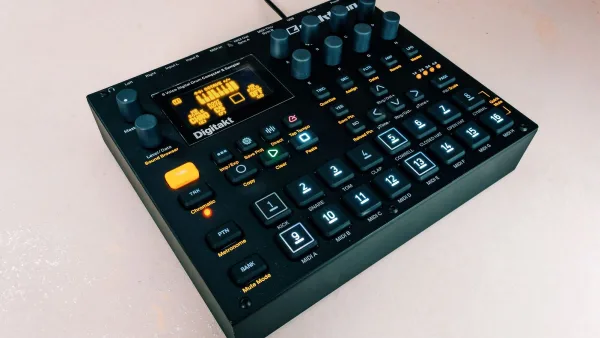
The most consequential mistake is buying a production-oriented pad when you need a performance pad, or vice versa. A Roland SPD-SX is an excellent live performance unit but is not designed for the beatmaking workflow that an Akai MPC enables. A basic MIDI pad controller has no internal sounds and requires a computer. Defining your primary use — live drumming, studio beatmaking or computer-based triggering — before buying a sample pad prevents this mistake. See our buyer's guide for a clear breakdown by use case.
Incorrect Sample Preparation
Many users load audio files that are not properly prepared for triggering from a sample pad. Common issues include files that are not normalised (too quiet), files with long silent tails (causing problems with loop settings), and files in unsupported formats. Before loading audio, ensure files are at a consistent level, trimmed cleanly at the start and end, in WAV format at the correct sample rate for your unit (typically 44.1kHz or 48kHz), and organised logically. Preparing samples on a computer before transferring them to the unit saves significant time and avoids frustration at the point of loading.
Neglecting Velocity and Sensitivity Calibration
Most sample pad units include sensitivity settings that can be adjusted per pad. Default settings are often conservative — a harder hit may be needed to reach maximum velocity than is comfortable for a drummer playing lightly. Adjusting the sensitivity curve so that the full dynamic range is accessible within your natural playing range is an important setup step. Similarly, threshold settings — how soft a hit must be before the pad registers — can be adjusted to prevent accidental triggering. Spend time with these settings before your first performance rather than discovering a problem on stage.




Comments