


Pioneer Ddj Flx4 article
Pioneer Ddj Flx4 for Beginners: A Complete Guide
From unboxing to your first blend — a calm, step-by-step route through your first session on the Pioneer DDJ-FLX4.
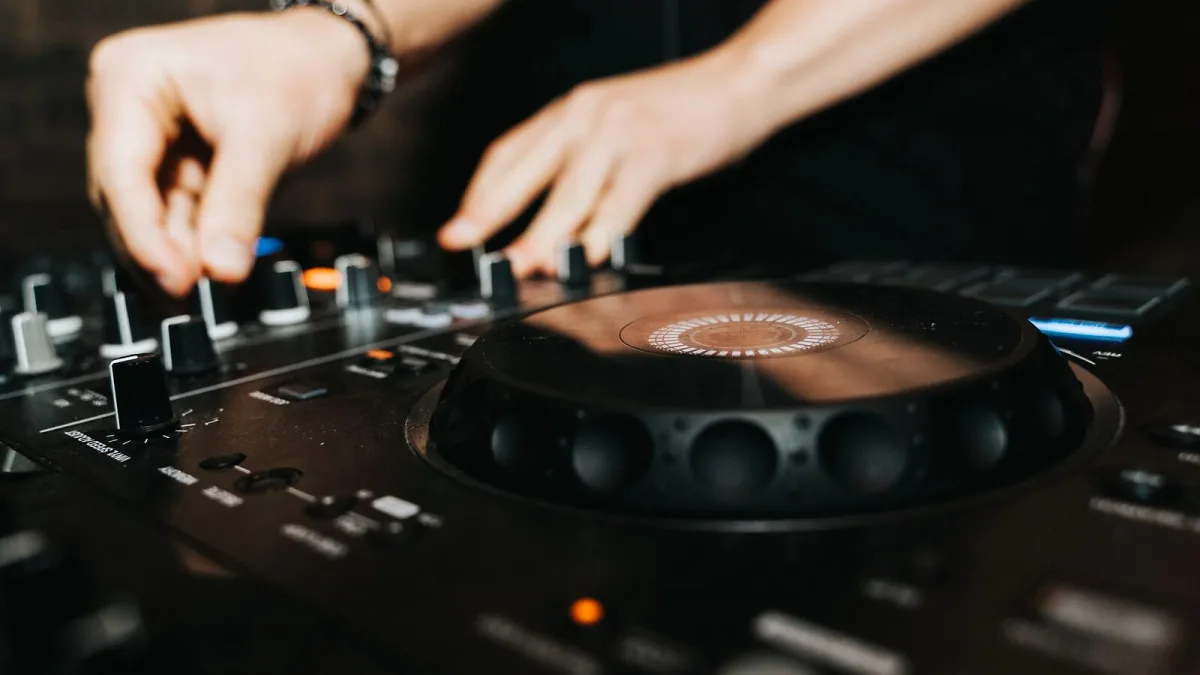
Brand new Pioneer DDJ-FLX4, box still smells of cardboard, and absolutely no idea where to start? Same energy as arriving at a festival with no map. Here's the calm, no-jargon route from unboxing to your very first mix, nothing skipped, nothing assumed.
Before You Plug Anything In
Pick your software first. It comes ready for rekordbox (Pioneer's own platform) and Serato DJ Lite, both free, so there's genuinely no wrong first choice — just download whichever one you fancy and get it installed and updated before the controller even comes out of the box.
Setting Up Your Pioneer DDJ-FLX4 for Your First Session
- Install your chosen software (rekordbox or Serato DJ Lite) and make sure it's fully updated.
- Connect the controller to your laptop or phone using the USB-C cable, into the port marked for computer connection.
- Open the software and confirm it recognises the controller — most DJ software shows this automatically.
- Plug your headphones directly into the controller, not the laptop, so the cueing controls work properly.
- Connect powered monitors or an amp to the RCA master output — never plug those straight into passive speakers.
- Load two tracks, one per deck, and let the software analyse them so the beat grids are ready.
Finding Your Way Around the Deck
Ignore ninety per cent of the controller for now. You need the jog wheels (for nudging and scratching), the channel faders and crossfader (for blending between the two decks), the EQ knobs (bass, mid, treble per channel), and the play/cue buttons. The 16 performance pads, the loop section and the effects can wait — they're not going anywhere.
Your First Actual Mix
Start with two tracks at a similar tempo, so the software's tempo sync has less work to do. Bring the first channel up with its fader, let it play out to the room, then bring the second channel's fader up gradually while listening in your headphones through the cue button. Nudge the jog wheel gently to nudge the beats into line, then ease the crossfader across once they lock. That's it — that's a mix. It won't be smooth first time, and that's completely normal.
Two features are there to help while you build confidence: Smart Fader handles a chunk of that transition automatically through the crossfader, and Smart CFX adds a filter-and-effect sweep from a single knob. Use them, but don't lean on them forever — our full features guide explains exactly what they're doing under the hood, which helps once you're ready to take manual control back.
Things You Genuinely Don't Need Yet
- Hot cues, loops and beat jump — brilliant later, unnecessary on session one
- A second piece of DJ software "just in case" — pick one and get comfortable
- Microphone routing, unless you're already planning to talk over the mix
- Worrying about four-deck workflows — this is a two-channel controller, and that's plenty to learn on
When You're Ready to Level Up
Once blending two tracks feels natural rather than nerve-wracking, it's worth reading our buyer's guide to understand where this controller sits against the rest of the range, and our rundown of common mistakes to iron out any habits you've picked up along the way.
The Bottom Line
You don't need sixteen pads' worth of tricks to get your first session out of the Pioneer DDJ-FLX4 — you need two tracks, one working pair of headphones, and the confidence to let a mix sound a bit rough while you learn. Everything else comes with time on the jog wheels.




Comments