


Hercules DJ Controller roundup
Hercules Dj Controller: A Complete Buyer's Guide
The Hercules range spans entry-level to motorised platters. Here's how to decide which model actually suits what you're trying to do.
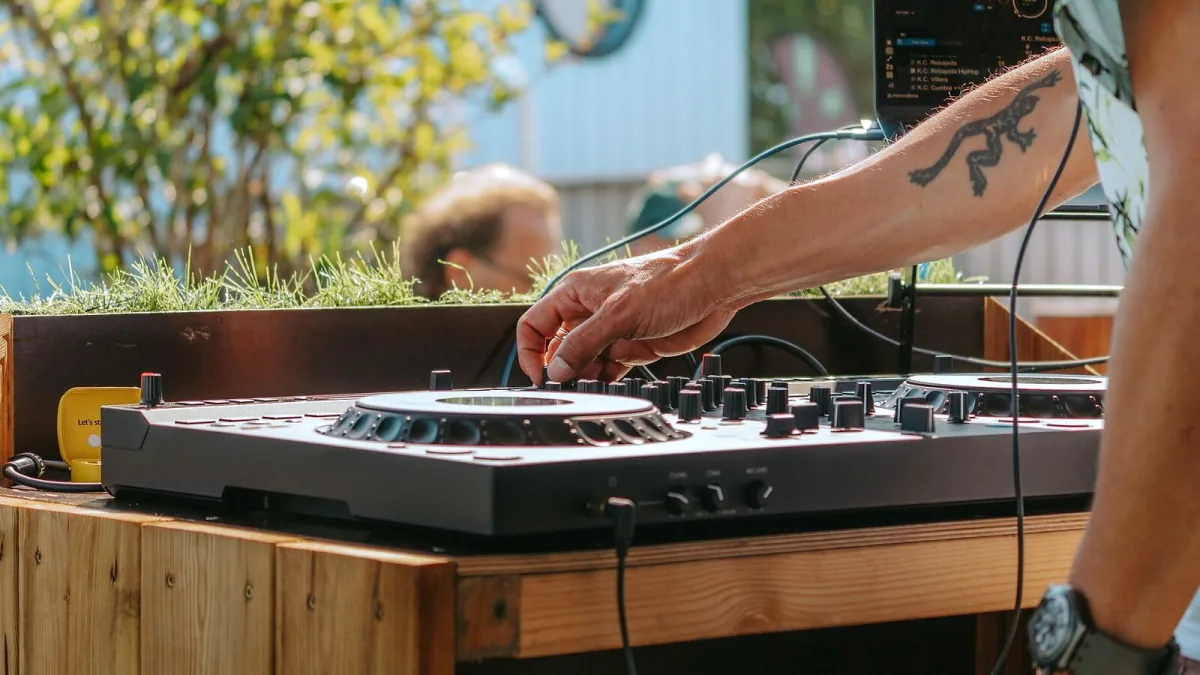
Picking the right Hercules DJ controller depends almost entirely on what you want to do with it and how seriously you're planning to take DJing. The range spans stripped-back starter units to motorised-platter mid-range hardware — and the differences between tiers matter more than the price gap suggests.
Start With the Question: What Are You Actually Going to Do?
If you want to learn to mix at home, practise beatmatching, and maybe play a few house parties, any model in the range will cover you. If you want something to gig with regularly, or if you're already past the complete-beginner stage, you'll want to think harder about which specific model and what features you're getting.
The two key variables in any Hercules DJ controller are jog wheel size and feel, and the number of performance pads. Both affect how the controller handles in practice, not just on paper.
Entry Level: DJControl and Lower Inpulse
The DJControl line and the lower Inpulse models are aimed squarely at first-timers. Compact, lightweight, USB-powered and bundled with DJUCED. They do the core job: two decks, EQ, crossfader, cue buttons. For learning the fundamentals of mixing — reading a crowd, managing transitions, understanding track structure — they're entirely adequate.
The jog wheels at this level are capacitive rather than motorised, which is the norm for the price point. They work well for nudging tracks and cueing but don't replicate the feel of a turntable. If that's not a priority, it's not an issue.
Mid Range: Upper Inpulse Models
The upper Inpulse models are where the range starts to feel more capable. Larger jog wheels make tempo adjustments and track navigation more precise. More performance pads give you access to loops, hot cues and effects without menu-diving. The build quality is noticeably firmer.
For most people who've already spent a few months learning on a cheaper controller, moving up to this tier makes a tangible difference to what they can do. If you're buying for someone who's past the absolute beginner stage, start here.
The T7: Is Motorised Worth It?
The Inpulse T7 is the standout model in the range because of its motorised jog wheels — platters that actually spin, responding to the track's playback. For anyone interested in scratching or just wanting the physical feel of vinyl-style control, this is a meaningful upgrade over standard capacitive platters.
The caveat: motorised wheels add weight, cost and complexity. If you're not interested in turntablism or tactile platter feel, the extra spend doesn't pay off for straightforward mixing. Be honest about whether it matters to you before buying.
Software Compatibility
Every model ships with DJUCED, and most are compatible with Serato DJ Lite as well. If you're planning to use a specific platform — Serato, Rekordbox, Virtual DJ — check the compatibility list for the specific model before buying. Not every controller maps to every platform without manual setup, and some features may be limited outside DJUCED.
What the Built-In Audio Interface Means in Practice
Every Hercules DJ controller includes a USB soundcard. This is more useful than it sounds if you haven't done this before: it means you can connect the controller to a laptop, plug in headphones and speakers, and the audio routing works without any additional hardware. For a beginner, that's a significant simplification.
Higher-end models add a microphone input, which matters if you're gigging or hosting events where an MC or announcements are part of the night.
The Verdict
The right Hercules DJ controller is the one that fits where you are now, not where you hope to be in two years. For a first setup, the entry level is entirely sufficient. For someone who's already learning and wants more to work with, the upper Inpulse range offers genuine upgrade value. The T7 is a specialist choice that rewards anyone for whom platter feel is genuinely important.
For a full breakdown of how the range works, see our overview guide. New to DJing? Our beginner's guide walks through the whole first-setup process.




Comments