


Vinyl Cleaner Machine article
Vinyl Cleaner Machine: A Complete Guide
A proper vinyl cleaner machine ends the guesswork of dish soap and prayer. Here's what these machines actually remove, and what they can never fix.
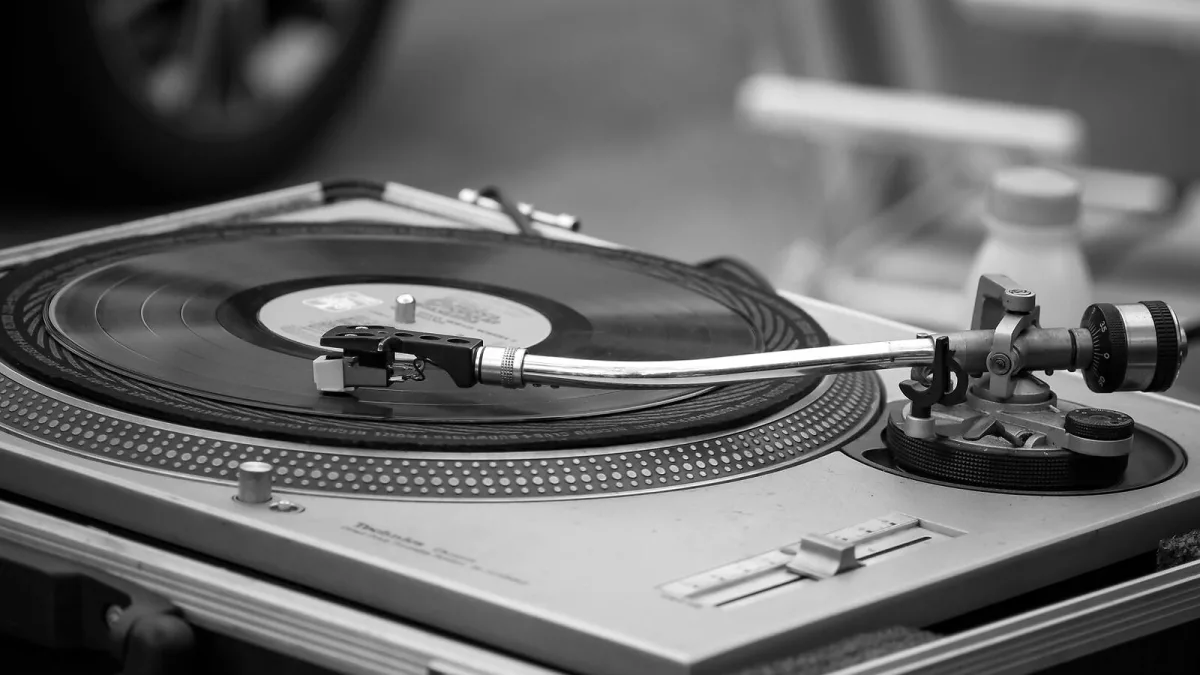
I've owned records long enough to have gone through every stage of cleaning superstition — dish soap, wooden spoons, a velvet brush and a prayer. A proper vinyl cleaner machine ends all of that guesswork. It won't work miracles on a genuinely damaged pressing, but on the everyday dust, fingerprints and mould-release residue that quietly ruins playback, it does a job no amount of careful hand-cleaning quite matches. Here's what these machines actually do, the main types on the market, and where their limits genuinely lie.
What a Vinyl Cleaner Machine Actually Removes
Records pick up contamination from several directions at once: airborne dust and fibres, finger oils, paper debris shed by inner sleeves, leftover mould-release compound from pressing, and static that actively attracts more dust the moment you wipe it away. None of that is cosmetic — a stylus doesn't glide over this material, it pushes particles through the groove, turning them into the ticks, crackle and distortion you hear on an otherwise good pressing. A proper cleaning machine lifts that contamination out rather than just relocating it across the surface.
The Main Types
| Type | How it works | Examples |
|---|---|---|
| Vacuum | Fluid is applied and agitated, then removed by suction along with the loosened dirt | Pro-Ject VC-E2, Record Doctor VI, VPI, Loricraft |
| Ultrasonic | The record rotates through a water-based bath while high-frequency sound creates cavitation bubbles that dislodge contamination | HumminGuru HG01/NOVA, Degritter Mk II, Kirmuss KA-RC-1, iSonic Cleaner 6.2-PRO |
| Manual | A bath, brushes and a drying rack, entirely hands-on | Spin-Clean |
| Hybrid workflow | Vacuum cleaning for heavy soiling, followed by ultrasonic or a purified-water rinse | Combines the above |
None of this is a strict hierarchy from worst to best — it's a set of genuine trade-offs in cost, automation and how much of the process you want to do by hand. Our complete buyer's guide goes through the decision in proper detail.
Vacuum Versus Ultrasonic, Honestly
Vacuum machines are quick to understand and effective on heavily soiled records, and because the fluid is physically removed rather than left to evaporate, there's less risk of residue lingering behind. Ultrasonic machines make little or no direct brush contact with the playing surface and can automate the entire cleaning and drying cycle, which is a genuine convenience — but the premium models carry a real price tag, and even a well-reviewed machine like the Degritter Mk II sits well into audiophile territory. Independent testing, including a 2024 What Hi-Fi? comparison, found that several different systems all improved dirty records, without any one method proving universally superior. Treat manufacturer and retailer rankings as marketing, not laboratory results.
What No Machine Can Fix
This matters more than any spec sheet: cleaning removes contamination, not damage. Scratches, groove wear, pressing defects, off-centre holes, warps and noise caused by a worn stylus are all permanent, and no vacuum or ultrasonic cycle will touch them. If a record is still noisy after a proper clean, the problem almost certainly isn't dirt any more.
Water, Fluid and a Word of Caution
Ultrasonic baths should use distilled or deionised water, never ordinary tap water, which leaves mineral deposits behind as it dries. Any cleaning fluid should be one approved for records and used at the concentration the manufacturer states — improvised mixtures, including undiluted alcohol, risk damaging labels and adhesives. Follow the machine and fluid instructions rather than trusting a forum recipe.
Getting Started Properly
If you're weighing up which machine actually suits your collection and budget, our buyer's guide is the next stop, and once you've chosen one, our step-by-step setup guide walks through a proper cleaning cycle from start to finish. If you're completely new to this side of the hobby, our beginner's guide is a gentler place to start.
The Bottom Line
A vinyl cleaner machine does one job brilliantly: pulling removable contamination out of the groove before your stylus finds it and turns it into noise. Know that limit, choose vacuum or ultrasonic based on your budget and how hands-on you want to be, and you'll get years of genuinely quieter listening out of records you might otherwise have written off as noisy.




Comments