


Vinyl Album Cleaning Kit article
Vinyl Album Cleaning Kit for Beginners: A Complete Guide
A handful of records, a growing suspicion you should look after them properly — here's the patient, no-jargon place to start.
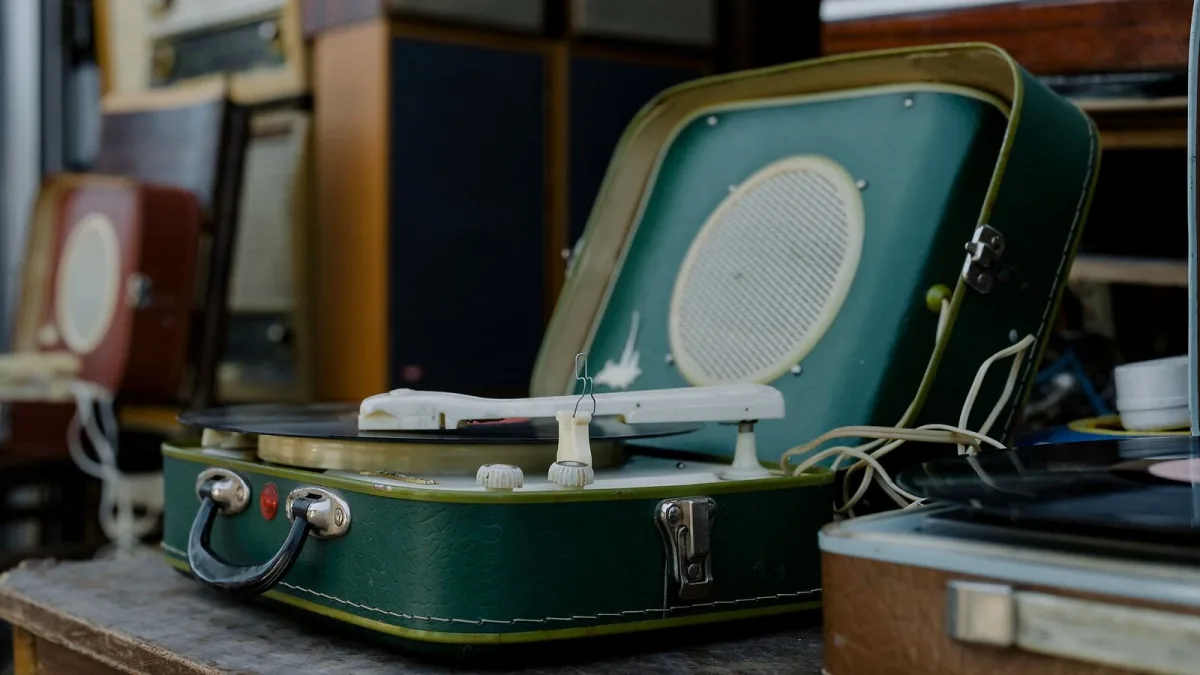
Every collector I know started exactly where you are now: a handful of records, a growing suspicion they should be looked after properly, and no idea where to begin. A vinyl cleaning kit is genuinely one of the simpler purchases in this hobby once you know what you're actually looking at, so let's take it slowly.
Why Bother Cleaning at All?
Records are pressed with shallow, delicate grooves, and dust or grime sitting in them causes the clicks, crackle and mistracking that make a record sound worse than it should. Cleaning won't fix a genuine scratch or a bad pressing, but it removes the everyday dirt that's usually the real culprit behind a noisy playback.
The Only Two Jobs You Need to Understand
- Dry cleaning — a soft brush that lifts loose dust and static, done quickly before or after a play.
- Wet cleaning — fluid and a soft applicator that lift fingerprints, oils and embedded dirt a brush alone can't touch.
That's genuinely the whole picture. Everything a vinyl cleaning kit contains exists to do one of those two jobs properly.
What to Actually Buy as a Beginner
Start simple: a decent carbon-fibre brush for dusting, plus a basic manual kit with fluid, a soft applicator and a lint-free cloth for the occasional deeper clean. You don't need a vacuum machine or an ultrasonic cleaner on day one — those genuinely make sense for large or fast-growing collections, not a starter shelf of records.
Words You'll See on the Packaging
- Carbon fibre — the material in most dry brushes, chosen for being soft and reducing static.
- Lint-free — a cloth that won't leave loose fibres behind in the grooves.
- Label protector — a small cover or clamp that keeps the paper label dry during wet cleaning.
- Anti-static sleeve — an inner sleeve designed to reduce dust attraction once a record's clean.
A Gentle First Routine
Dry brush any record before you play it — it takes seconds and becomes automatic fast. Save wet cleaning for records that are visibly dirty, sound noisy despite dry brushing, or arrived secondhand with an unknown history. There's no need to wet clean every record every time; that's more effort than most collections genuinely need.
Mistakes Worth Avoiding From Day One
Don't reach for household cleaners, glass spray or undiluted alcohol — they carry a real risk of damage and aren't designed for vinyl. Don't press hard with a brush or applicator, since pressure forces debris into the grooves rather than out of them. And don't play a record while it's still damp; let it dry completely first.
Where to Go From Here
Once you're comfortable with the basics, our step-by-step setup guide walks through the full process properly, and the buyer's guide is there for when you're ready to think about your next purchase. Starting with a simple vinyl cleaning kit and a gentle routine will genuinely serve your collection well for years.




Comments