


Vinyl Album Cleaning Kit article
Vinyl Album Cleaning Kit Explained: Features, Types and Tips
A vinyl cleaning kit isn't one tool, it's several, each solving a different problem — here's what actually does the work.
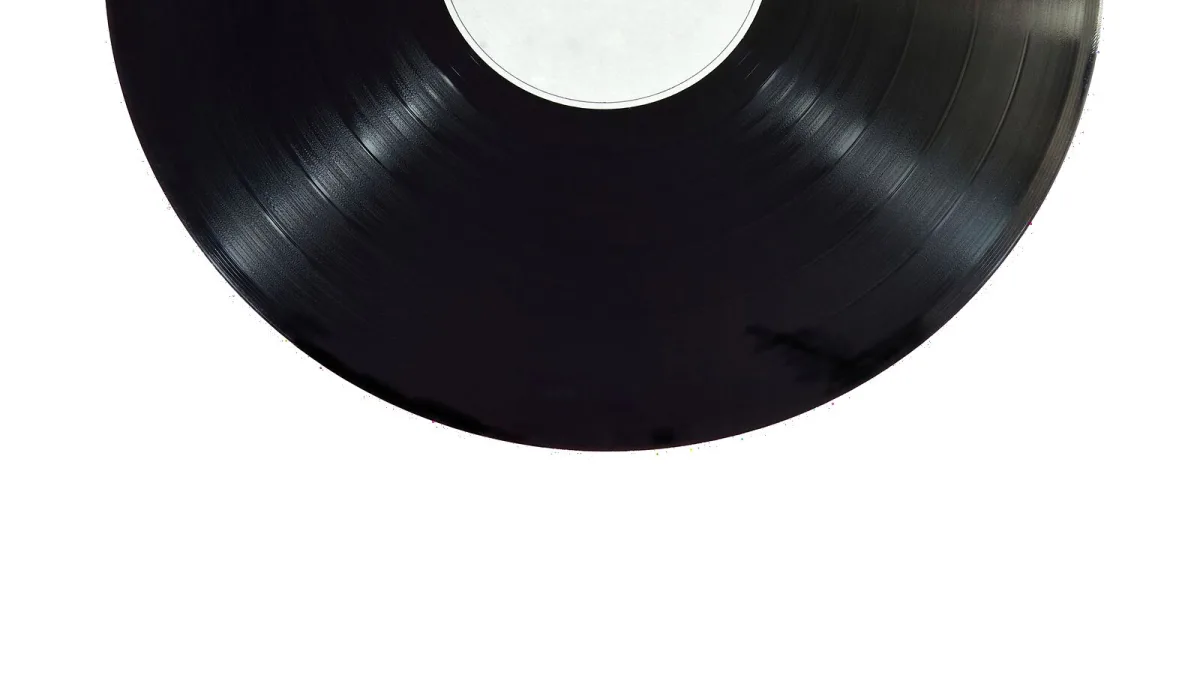
I've cleaned more records over the years than I could honestly count, and the lesson that took me longest to learn is that a vinyl cleaning kit isn't one tool, it's several, each solving a different problem. Get that distinction clear and the rest of it stops feeling like guesswork.
What a Vinyl Cleaning Kit Actually Solves
Records are pressed from PVC, but the grooves cut into them are shallow, delicate mechanical structures. Dust and contamination sitting in those grooves cause clicks, crackle and mistracking, and they accelerate stylus wear over time. Cleaning cannot repair scratches or a defective pressing, but it can genuinely reduce the noise caused by removable dirt, which for most collections is the bulk of the problem.
Two Different Problems, Two Different Tools
Loose dust and static are best handled with a carbon-fibre or similar dry brush, run lightly over the surface for a revolution or two before a record goes back in its sleeve. Fingerprints, oily residue and embedded debris need something more thorough — a properly formulated wet-cleaning fluid, worked in with a soft applicator, then lifted away with a genuinely lint-free cloth. Treating one tool as sufficient for both jobs is where most home routines fall down.
What a Good Kit Should Contain
| Component | Job |
|---|---|
| Carbon-fibre brush | Dry dusting, before and after play |
| Record-safe fluid | Lifting oils and embedded dirt |
| Velvet or microfiber applicator | Working fluid into the grooves gently |
| Lint-free drying cloth | Removing fluid without leaving fibres behind |
| Label protector | Keeping paper labels dry during wet cleaning |
Extras like a drying rack, storage sleeves or a dedicated stylus brush are genuinely useful additions, but they're refinements — the five items above are what actually do the work.
Manual Kits Versus Machine-Based Systems
Most home collections are perfectly well served by a manual routine: dry brush before play, occasional wet clean with a hand-applied fluid and cloth. Larger collections, or anyone regularly buying secondhand records, might reasonably graduate to vacuum-assisted machines, which remove contaminated fluid by suction rather than leaving you to wipe it away, or ultrasonic systems that use a liquid bath and high-frequency sound to loosen contamination. These cost substantially more and aren't necessary for casual listening, but they earn their keep for serious, frequent deep-cleaning.
The Fluid Question
Guides genuinely disagree here. Some recommend a diluted isopropyl alcohol solution; others favour alcohol-free, surfactant-based formulas specifically to reduce residue. Because there's no single accepted answer in the wider research, the safer approach is to use whatever fluid the manufacturer of your chosen kit actually specifies, rather than improvising with household cleaners, glass cleaner or undiluted alcohol, all of which carry a real risk of damage.
How Often Is Actually Necessary
Dry brushing before every play is sensible and takes seconds. Wet cleaning is a periodic job — recommendations range from every five to fifteen plays to every six to twelve months, depending on your storage, handling and how dusty your listening room actually is. There's no single correct number; use your ears and the visible state of the record as your guide.
Where to Go From Here
If you're ready to buy, our buyer's guide covers what actually matters in a purchase, and our step-by-step setup guide walks through using one properly from the first clean onward. Get the basics right, and a decent vinyl cleaning kit will genuinely extend the life of both your records and your stylus.




Comments