


DJ Booth article
Dj Booth for Beginners: A Complete Guide
Staring at facades, flight cases and truss rigs and wondering what you actually need? Here's the genuinely simple version of getting started.
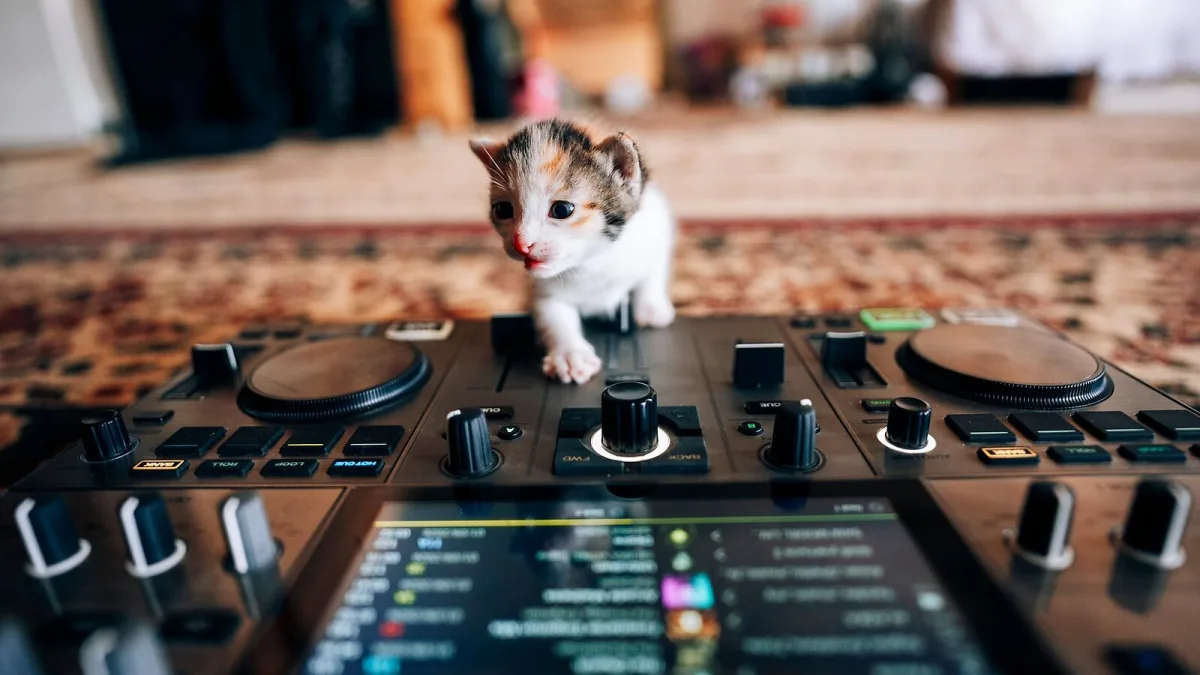
First gig booked, decks sorted, and now you're staring at DJ booth listings for facades, flight cases and truss rigs wondering what on earth you actually need. Good news: almost nobody needs the fanciest option on day one. Here's the genuinely simple version of getting started, without spending money on things that won't matter for months.
Do You Need a DJ Booth Yet, Honestly?
If your first few gigs are house parties, small birthdays or practising at home, you might not need a dedicated setup at all. A sturdy table you already own, with your controller on top, does the job perfectly well while you're still learning to mix. Save the spending on an actual DJ booth for when you're booking events regularly enough that turning up with a proper rig actually matters to a client.
Your First Real Option: A Table-Top Stand
Once you do want a purpose-built DJ booth, start small. A compact table-top stand is cheap, light enough to carry in one trip, and gives your controller or mixer a stable, dedicated surface without committing to anything bulky. It won't hide your cables or bags from the crowd, but at this stage, nobody's judging your setup that closely — they're there for the music.
This is also the cheapest way to find out whether you actually enjoy performing in front of people regularly enough to justify anything bigger. Plenty of beginners buy a full booth before they've played more than two or three gigs, then realise their bookings, and their budget, don't yet match the ambition.
Stepping Up: A Simple Folding Facade
When you start playing slightly bigger or more frequent bookings, a basic folding facade is the natural next step. It's still light and quick to assemble, but it hides your gear bags and cabling behind a clean front panel, which instantly makes a setup look more professional to a crowd or a client. Brands like Vonyx are a sensible, affordable place to start looking at this level.
Skip These for Now
- Truss-based rigs — brilliant for bigger events, overkill and genuinely awkward to transport alone for a beginner
- LED-fascia lighting — a lovely upgrade later, but an extra thing to wire, power and troubleshoot before you've even nailed your transitions
- Custom branding — worth doing properly once you have a name and a look you're happy with, not before
Three Things That Actually Matter Early On
Forget the extras and focus here instead:
- Get the height right. A stand that's too low will wreck your back over a long set; too high, and your mixing suffers.
- Sort your cables before you close anything up. A tangle behind a facade is a nightmare to fix mid-gig.
- Check it's actually stable. Give it a firm nudge before you load your gear onto it, not after.
None of this needs specialist knowledge. A first DJ booth is meant to be simple, and getting these three things right matters far more than which brand's name is printed on the front panel.
A Quick Safety Word
Keep your setup well clear of fire exits and busy walkways, and give your leads and plugs a quick visual check before every gig — look for anything frayed, cracked or loose. It takes thirty seconds and it's the kind of habit that becomes automatic once you've done it a few times. Our guide to common mistakes to avoid covers the pitfalls that catch out beginners specifically, and it's worth ten minutes before your first real gig.
When to Actually Upgrade
The honest signal isn't a new gig on the calendar — it's a pattern. Once you're regularly turning up somewhere and thinking "I wish this looked more finished," that's your cue to look at a stronger folding booth with branding options. Our complete buyer's guide walks through exactly what to check at that point, and our roundup of the best options for the money breaks down what each price tier actually gets you.
The Bottom Line
Start with whatever's simplest and cheapest that gets your controller off your knees and onto a stable surface. Everything else on the market — the lighting, the truss, the branding — is there for when you've got bookings to justify it, not before. If the terminology around all this still feels confusing, our full overview of DJ booth types untangles it properly.



Comments