


Denon DJ DJ Controller article
Denon Dj Dj Controller Explained: Features, Types and Tips

Denon DJ controllers are powerful hardware systems used by DJs to perform with digital music. Unlike simple USB controllers that require a laptop, Denon DJ's range includes standalone all-in-one systems that can operate completely independently, making them ideal for club DJs, mobile performers, and anyone who wants flexibility in how they perform. This guide explains what Denon DJ controllers are, what types exist, and how to choose the right one for your setup.
What is a Denon DJ Controller?
A Denon DJ controller is hardware that lets you load tracks, beatmatch, mix, apply effects, trigger hot cues and loops, and control both standalone playback and DJ software. The range spans from simple computer-based controllers to sophisticated all-in-one systems with built-in processors, displays, and everything needed to perform without a laptop.
Denon DJ's main strength is its **Engine DJ ecosystem**, which enables standalone operation independent of a computer. Load your music onto a USB drive or SD card, insert it into the controller, and you're ready to perform. This flexibility appeals to professional DJs, mobile entertainers, and anyone who wants a complete, self-contained system.
Types of Denon DJ Controllers
Denon DJ offers three main categories. **Standalone all-in-one systems** like the PRIME 4+ and SC LIVE 4 contain everything in one unit—processor, display, media readers, mixer and outputs—so you can perform without a laptop. **Computer-based controllers** connect to software like Serato DJ Pro and rely on a laptop for processing. **Hybrid systems** combine standalone playback, software control and mixer functionality, giving you flexibility between both approaches.
Most modern Denon DJ systems emphasize standalone operation because it simplifies setups and reduces technical complications on stage. If you're a mobile DJ, club performer or studio enthusiast, standalone capability offers genuine freedom and reliability.
The PRIME 4+ System
The PRIME 4+ is Denon DJ's current flagship four-deck, four-channel standalone system. It features a large 10.1-inch HD multitouch display for browsing and controlling tracks, 16 performance pads for hot cues and loops, 26 built-in effects, and comprehensive connectivity including balanced XLR outputs for main and zone monitoring, booth outputs, and RCA connections.
The system accepts USB flash drives and SD/SDHC cards, includes built-in Wi-Fi for streaming services, and supports microphone inputs for announcing and hosting duties. You can perform completely standalone or connect it to a laptop to use it as a software controller with supported DJ software. This versatility makes the PRIME 4+ suitable for club work, mobile entertainment, home mixing, and professional touring.
The SC LIVE 4 System
The SC LIVE 4 is Denon DJ's more compact four-deck standalone system, designed for portability without sacrificing capability. At approximately 12.8 pounds, it's substantially lighter than the PRIME 4+, making it ideal for mobile DJs, booth guests, and anyone moving between venues regularly.
The SC LIVE 4 features a 7-inch touchscreen, built-in speakers for practice and small venue work, Wi-Fi connectivity for streaming services, and professional audio specifications including 24-bit digital conversion, 20 Hz–20 kHz frequency response, and over 110 dB dynamic range. It's a complete system on its own while remaining portable enough for transport in a laptop bag.
The PRIME 4 G2: Latest Generation
Denon DJ announced the PRIME 4 G2 in September 2026, representing a significant hardware upgrade from previous generations. The new system features an eight-core ARM processor with 4 GB of RAM—four times the processing power of the previous generation—resulting in faster library navigation and smoother overall operation.
A key hardware addition is **MPCe-style performance pads**, giving the PRIME 4 G2 capabilities previously exclusive to MPC-format controllers. The system also gains onboard stem rendering, allowing you to separate and manipulate individual components of a track directly in the controller without external software. These upgrades position the PRIME 4 G2 as Denon DJ's most powerful standalone system to date.
Engine DJ: Denon's Ecosystem
Engine DJ is Denon DJ's software platform for managing and preparing music libraries. The typical workflow is straightforward: organize and analyze your music in the Engine DJ desktop software on your computer, then export your library to a USB drive or SD card. Insert that media into your Denon DJ controller and browse, load and perform without touching a laptop.
Engine DJ can import libraries prepared in other platforms like Rekordbox and Traktor, making it accessible to DJs transitioning from other systems. Supported streaming services include Apple Music, TIDAL, Amazon Music, SoundCloud Go+, and Beatport Link, meaning you can perform with subscription content directly in your controller.
Standalone Versus Laptop-Based Operation
Standalone systems eliminate dependence on a computer, reducing complexity on stage and removing the risk of software crashes mid-performance. This appeals to professional DJs, venue operators, and anyone who values reliability and simplicity.
Laptop-based controllers offer advantages too: easier access to massive music libraries, more direct software integration, and potentially broader video and plugin capabilities. Some DJs prefer the familiar software environment and customisation options laptops provide.
Denon DJ's larger systems attempt to bridge both worlds. Use them standalone for straightforward performances, or connect them to a laptop to access software features and deeper library management. This flexibility means you choose your workflow based on the situation, not your equipment.
Performance Controls and Mixing
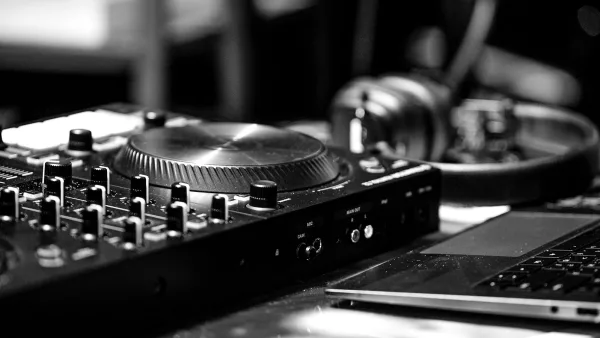
Denon DJ controllers include essential DJ controls: jog wheels for nudging, scratching and pitch-bending, pitch faders for tempo adjustment, channel faders and crossfaders for mixing, and EQ controls for bass, midrange and treble. Performance pads trigger hot cues, loops, and effects. Track browsing controls let you find music quickly, while effects controls provide creative tools during performance.
The touchscreen on larger systems lets you browse and load tracks intuitively, while smaller systems require button navigation. Both approaches work—touchscreens are faster for browsing, but buttons are sometimes more reliable in high-energy performance environments.
Connectivity and Integration
Denon DJ controllers offer comprehensive connectivity: balanced XLR outputs for main and booth monitoring, RCA connections for systems without XLR, microphone inputs for announcements and hosting, headphone outputs rated for professional monitoring, and USB ports for connecting to external gear or a laptop.
Wi-Fi support on current models opens access to streaming services and cloud features, while legacy systems like the MCX8000 remain relevant on the used market for DJs who prefer older, simpler workflows or integrated Serato functionality.
Who Should Buy a Denon DJ Controller?
Denon DJ controllers suit professional DJs who perform regularly in clubs or mobile settings, event organizers needing portable, reliable equipment, producers who want to combine production and performance, home DJs who appreciate standalone capability and flexible setups, and anyone transitioning from vinyl or older systems seeking modern features without overwhelming complexity.
Conclusion
Denon DJ controllers represent genuine innovation in standalone DJ equipment, combining powerful processors, intuitive interfaces, and flexible operation that suits diverse performance contexts. Whether you choose the flagship PRIME 4+, the portable SC LIVE 4, or the newly announced PRIME 4 G2, you're investing in equipment that performs reliably in professional environments while remaining accessible to enthusiasts and beginners. Denon DJ's ecosystem removes the complexity from digital DJing and puts focus back on music and performance.



Comments