


Trumpet article
Trumpet for Beginners: A Complete Guide
The trumpet rewards careful beginners and punishes neglected habits. This guide covers embouchure, breathing, the valves, and how to structure your first months of practice.
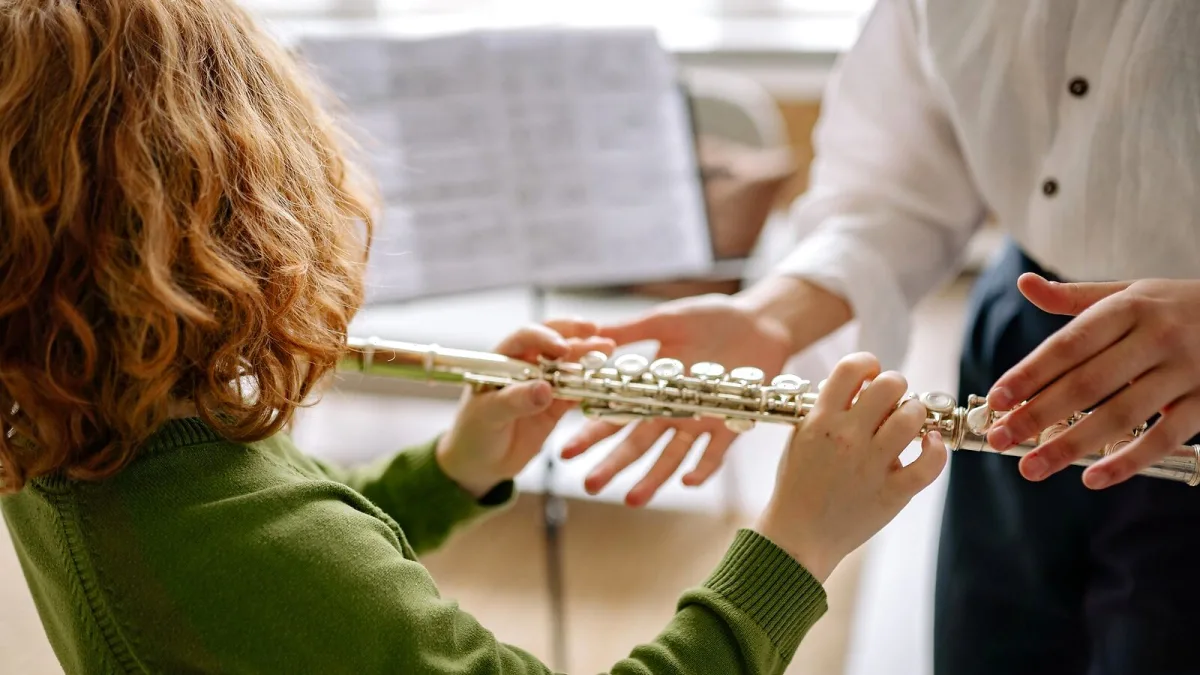
The trumpet is one of the more demanding brass instruments to start on, but it is also one of the most rewarding — the sound carries, the repertoire is vast, and the embouchure strength developed early opens the entire brass world to the advancing player. Starting well matters: good habits established in the first year are far easier to maintain than bad ones are to correct later.
The Embouchure
Embouchure — the configuration of the lips, jaw, and facial muscles — is the foundation of trumpet playing. The basic principle is that the player's lips buzz against each other and against the rim of the mouthpiece, producing a vibration that the instrument amplifies and shapes. Forming the embouchure correctly from the start is the single most important thing a beginner can do. The most common trumpet beginner error is pressing the mouthpiece too hard against the lips to compensate for insufficient lip tension; this produces a thin, pinched sound and causes fatigue quickly. A teacher who can observe and correct embouchure from the first lessons is invaluable and prevents problems that can persist for years if left uncorrected.
Breathing
Trumpet playing requires more controlled, sustained breath support than any other common instrumental technique. The player does not simply blow air through the trumpet — they maintain a steady stream of focused airflow at the right pressure for the dynamics and register required. Breathing from the diaphragm rather than the chest produces deeper, more sustainable breath support. Practising long tones — holding single notes at a steady dynamic for as long as possible — develops breath control alongside embouchure strength and should form part of every early trumpet practice session.
The Three Valves
The standard Bb trumpet has three piston valves that can be pressed singly or in combination to produce different pitches. Valve one lowers the pitch by a tone; valve two by a semitone; valve three by a tone and a half. In combination: valves one and two lower by three semitones (minor third); valves one and three by a tritone; valves two and three by a tone and a half; all three by three tones (augmented fourth, adjusted by the third slide). Learning the valve combinations for the notes in the first octave is an early milestone in trumpet study.
Your First Practice Routine
Start each practice session with long tones — five to ten minutes of sustaining pitches in the comfortable middle register. Follow with lip slurs: smooth transitions between harmonics of a single valve combination without tonguing. Then move to scales, arpeggios, and any pieces or exercises assigned by a teacher. Keep early practice sessions short — twenty to thirty minutes — and increase gradually as the embouchure builds strength. Fatigue in brass playing comes on quickly for beginners; continuing through significant lip fatigue produces poor sound and reinforces bad habits.
For a complete overview of the instrument's types and features, the complete guide covers them. For advice on selecting an instrument, the buyer's guide covers what to look for. For specific model recommendations, the best trumpets guide has the breakdown. Common mistakes to avoid are in mistakes to avoid.
Get a Teacher
The trumpet is one of the brass instruments where self-teaching from video is least effective, particularly at the start. Embouchure problems develop in silence and are visible only to an outside eye. A teacher provides feedback that no video can replicate — observing tone quality, noting visible tension, correcting hand position. Even monthly or fortnightly lessons with self-directed practice between sessions produce significantly better outcomes than unguided practice. The investment in lessons returns itself in avoided bad habits and faster progress.



Comments