


Trumpet article
Trumpet Explained: Features, Types and Tips
From its role in Baroque court music to Miles Davis and beyond, the trumpet is one of the most versatile instruments in Western music. Here is how it works and what to know.
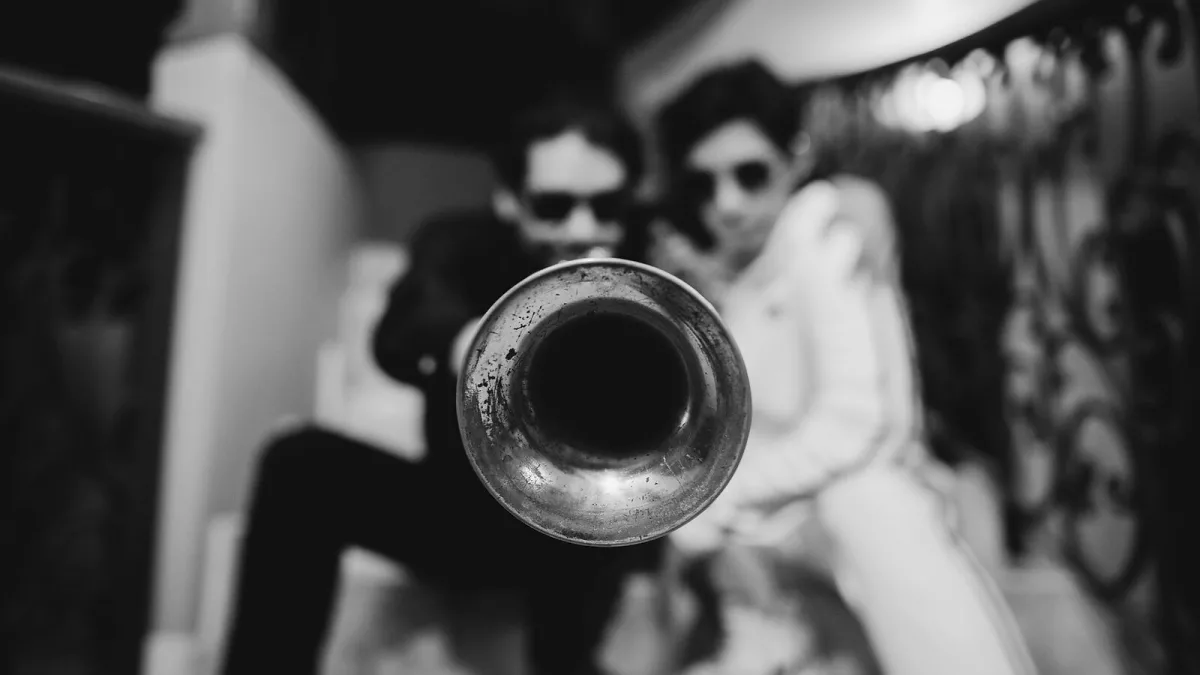
The trumpet is the highest-pitched instrument in the standard brass family and one of the most immediately recognisable sounds in Western music. From the fanfares of the Baroque era to the jazz of Miles Davis and the orchestral writing of Mahler, the trumpet has occupied a central role in concert music, dance music, military music, and popular song for centuries. Here is what you need to know about how it works, what types exist, and what distinguishes a good one from a mediocre one.
How the Trumpet Works
Sound on a brass instrument is produced by the player's lips buzzing against a cup-shaped mouthpiece. The player varies lip tension and airstream to produce different pitches; the valves redirect air through additional tubing of different lengths, lowering the pitch by the relevant amount for each valve combination. A standard Bb trumpet has three piston valves, which can be pressed singly or in combination to produce all the semitones within the instrument's range. The bell flares at the end to project the sound outward and contributes substantially to the instrument's characteristic timbre.
Types of Trumpet
The Bb trumpet is the standard instrument used in orchestras, jazz bands, brass bands, and most other contexts. The C trumpet is used by orchestral players in the UK and USA, sounding a tone higher, and is slightly smaller. The piccolo trumpet sounds an octave above the standard Bb and is used for Baroque repertoire and certain solo pieces requiring the upper register. The flugelhorn is a related instrument with a wider, more conical bore and a mellower tone, commonly used in jazz. Rotary valve trumpets, common in German and Austrian orchestras, use rotary rather than piston valves and have a different feel and tone character.
What Distinguishes Quality
Three factors separate good instruments from poor ones: valve action, intonation, and build quality. Valve action — how smoothly and quickly the pistons move — is critical for fast technical passages; slow or sticky valves limit what a player can do regardless of their technique. Intonation across the instrument's range is determined by how accurately the instrument is made; a trumpet that plays badly in tune requires constant compensation from the player. Build quality — the rigidity of the bracing, the quality of the metal, the finish of the bore — affects both durability and tone production. Student instruments make acceptable compromises on all three; professional instruments do not.
Brands Worth Knowing
Vincent Bach (now owned by Conn-Selmer) is the benchmark brand in professional trumpet making — the Bach Stradivarius is the most widely used professional instrument in orchestral and jazz settings. Yamaha makes instruments at every level from reliable student horns to professional models that rival Bach. King and Conn are American manufacturers with long histories in jazz and commercial music. Besson has a strong British tradition in brass band music. At the student level, Jupiter, Yamaha and Bach all produce instruments that play well and hold their value.
For advice on buying, the buyer's guide covers what to look for. For specific recommendations at each price point, the best trumpets guide has the breakdown. If you are just starting out, the beginner's guide covers everything from embouchure to first practice. Common mistakes to avoid are in mistakes to avoid.
The Instrument's Place in Music
The trumpet has a span in Western music that very few instruments match. It appears in the court music of the seventeenth century (Purcell, Handel), the symphonic music of the nineteenth (Beethoven, Brahms, Mahler), the jazz of the twentieth (Armstrong, Davis, Clifford Brown), and the popular music and session recording of the present. Learning to play it opens access to a repertoire of extraordinary breadth and requires the development of technique — particularly embouchure strength and breath control — that takes time but produces an instrument of considerable expressive range.



Comments