


Flugelhorn article
Flugelhorn for Beginners: A Complete Guide
A patient, encouraging first guide to the flugelhorn, from your very first sound to the habits that will serve you for years.
There is something faintly reassuring about the flugelhorn as a first instrument, or a first switch from trumpet: it looks familiar, it works on the same valves you may already know, and yet it forgives you a little more than its brighter cousin does. That gentleness is real, but it comes with its own small learning curve. Here is what a genuine beginner needs to know, without the jargon left unexplained.
What You're Actually Holding
A flugelhorn is a valved brass instrument, pitched in B♭, with a conical bore — meaning the tubing widens gradually from the mouthpiece toward the bell, rather than staying narrow for most of its length the way a trumpet's does. That widening bore is why the sound comes out softer and rounder than a trumpet's, even before you have done anything clever with your playing. It is a genuine, distinct instrument, not a trumpet wearing a mute.
If You Already Play the Trumpet
Good news first: the valve fingerings are identical. Every note you already know how to finger on a B♭ trumpet, you already know on it. What will feel different is the air you need to send through it, and how the pitch behaves once you do. Do not assume your trumpet mouthpiece will simply drop in and work — flugelhorn mouthpieces are shaped differently and are usually not interchangeable with a trumpet's.
Finding a Sound You're Happy With
New players sometimes try to force the flugelhorn's famous warmth by relaxing or "backing off" the embouchure. Resist that urge. A rich, dark tone comes from a steady, well-supported airstream meeting the instrument's own natural resonance, not from underpowering it. Blow properly, keep your air moving, and let the conical bore do the work it is built to do.
Articulation may also feel less crisp than you are used to at first. Because the bore is wider and freer-responding, a clean attack needs focused air arriving with the tongue, rather than the tongue doing all the work alone. This settles with practice far sooner than most beginners expect.
Your Ears Are Part of the Instrument
Every instrument has spots where the pitch does not sit perfectly centred on its own — a broad bore simply behaves that way. This is entirely normal, not a sign you have bought a poor instrument or that you are doing something wrong. Play along with a drone or a tuner regularly in your early weeks, and get used to nudging pitch with your air rather than fighting it with your lip alone.
Everyday Care, From Day One
A few habits will keep your flugelhorn healthy and keep you from developing bad habits alongside it:
- Oil the pistons regularly, and grease the slides so they move freely without sticking.
- Empty the water keys during and after playing — condensation builds up quickly in brass.
- Wipe the mouthpiece and leadpipe after each session; a build-up here affects both hygiene and response.
- Book a proper service with a qualified brass technician at sensible intervals, rather than waiting until something clearly goes wrong.
One small warning: because a flugelhorn's tubing and mouthpiece receiver are shaped differently from a trumpet's, don't assume trumpet-branded cleaning snakes or brushes will automatically fit. Check before you buy.
Mistakes Worth Sidestepping Early
- Treating it like a quiet trumpet. Playing softly is not the same as playing with genuine warmth and support — the tone should come from resonance, not restraint.
- Assuming your trumpet mouthpiece fits. It rarely does, in shape or in physical size, and forcing an ill-fitting mouthpiece will only frustrate you.
- Chasing the highest notes too soon. The flugelhorn's upper register is naturally less predictable than a trumpet's; build the middle of your range first.
- Ignoring intonation because "it sounds nice anyway." A pleasant tone and a centred pitch are not the same thing — you need both.
Where the Flugelhorn Might Take You
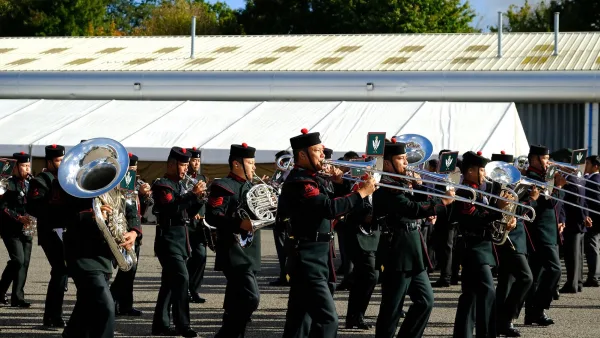
Once you are settled on the instrument, two very different worlds open up. British brass bands have long used the flugelhorn as a lyrical middle voice, sitting between the bright cornets and the warmer tenor and bass sound beneath them. Jazz took the instrument somewhere else entirely: players such as Chuck Mangione and Clark Terry showed just how expressive and agile it can be as a solo voice, well beyond its brass-band role. Which direction you lean will shape a lot of your later choices, including your mouthpiece.
When You're Ready to Choose Your Own Instrument
If you are still borrowing or renting, or thinking about your first real purchase, read our complete flugelhorn buyer's guide before you shop — it covers exactly what to test and check. Our round-up of the best flugelhorns for the money sorts instruments by the kind of playing you want to do, and our wider flugelhorn explainer is worth returning to once the basics above feel comfortable, since it goes deeper into valve types and the instrument's history.
The Bottom Line
Give yourself time. It rewards patient, well-supported playing far more than forced effort, and its slightly forgiving nature is exactly what makes it such a pleasant instrument to learn on. Get the air, the mouthpiece and your daily care habits right early, and the rest of your progress will follow at its own comfortable pace.





Comments