


Flugelhorn article
Flugelhorn Explained: Features, Types and Tips
The flugelhorn shares its fingering with the trumpet but almost nothing else. Here is what makes its sound, its valves and its history genuinely different.
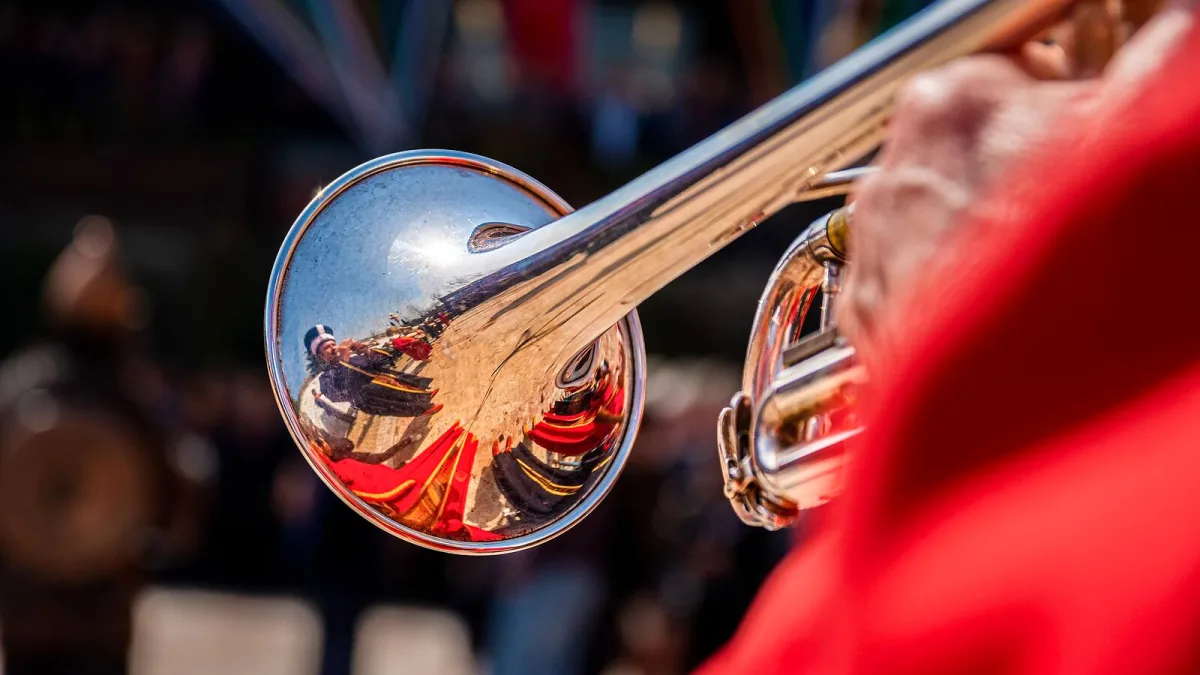
Pick up a flugelhorn expecting a trumpet with the volume turned down, and you will be disappointed within a minute. It is a genuinely different instrument — wider in the bore, darker in the throat, and built for a rounder sound than its brass cousin ever offers. This guide explains what it actually is, how it differs from the trumpet and cornet, the valve options you will meet when shopping, and where the instrument has made its name, from British brass bands to the cool end of jazz.
What Is a Flugelhorn?
The flugelhorn is a valved brass instrument, almost always pitched in B♭ today, that shares its basic valve fingering with the B♭ trumpet and cornet. A player who already reads trumpet music can sit down and find the notes without relearning a system. What changes is everything around those fingerings: the tubing is conical rather than mostly cylindrical, meaning it widens steadily from the mouthpiece receiver to a broad bell, and that shape is what gives it its identity.
A conical bore suppresses some of the higher, brighter overtones a trumpet's straighter tubing lets through. The result is a softer, more blended tone that many listeners describe as mellow or velvety, though those are descriptive words rather than measurable ones — tone is partly a matter of the ear.
Flugelhorn vs Trumpet: Where the Difference Really Lies
Because the fingering is shared, newcomers often assume it is simply a "muted" trumpet. It is not. The two instruments respond differently under the hands, and the table below sets out the practical contrasts a player will notice first.
| Feature | Trumpet | Flugelhorn |
|---|---|---|
| Bore shape | Mostly cylindrical | Conical, widening steadily |
| Bell | Narrower, more focused | Broad, softer projection |
| Mouthpiece | Shallower cup | Deeper, funnel-shaped cup |
| Typical tone | Bright, cutting | Warm, rounded, blended |
| Upper register | Generally more secure | Can feel less predictable |
None of this makes it the "easier" or "harder" instrument — it simply rewards a different approach. A trumpet player moving across for the first time has to relearn air support and pitch centring more than fingerings, a point covered in full in our beginner's guide to the flugelhorn.
And What About the Cornet?
The cornet sits somewhere between the two. Its bore is also partly conical, giving it a rounder tone than the trumpet, but it does not go nearly as far as its broad, deep-cupped design. In a British brass band, you will typically hear cornets carrying the bright lead lines while it takes the warmer, more lyrical countermelodies.
Three Valves or Four?
Most flugelhorns are built with the standard three piston valves. A four-valve model adds a fourth valve that extends the practical low register and can offer smoother alternate fingerings down there. It is a genuine option worth trying, but not an automatic upgrade — plenty of excellent players never need the extra valve, and it adds weight and cost for a register many musicians rarely visit.
Piston or Rotary Action
Piston valves, moving in a straight line, are the more familiar choice worldwide and dominate British and American markets. Rotary valves, which turn rather than plunge, are strongly associated with German and central-European flugelhorn traditions and are often credited with contributing to a particularly warm, dark colour. Yamaha's own current range includes both approaches, with piston models sitting alongside rotary-valve instruments built in that German style. Neither system is objectively superior; it comes down to feel under the fingers and the sound a player is chasing.
Where You Will Hear a Flugelhorn
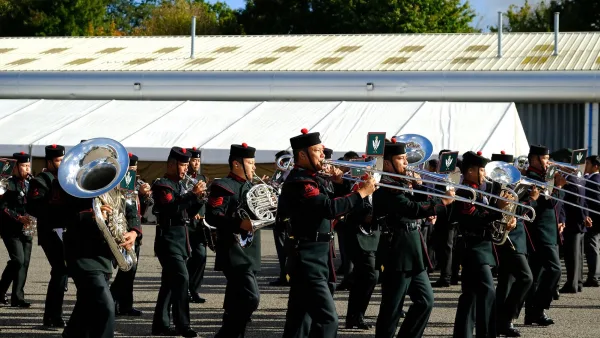
The instrument grew out of European bugle and military signal-horn traditions, eventually gaining valves so it could play a full chromatic scale rather than relying on a limited set of bugle calls. It found a lasting home in British brass bands, where it still functions as a lyrical middle voice, linking the cornet section's brightness to the warmer tenor and bass sound beneath it.
In jazz, the instrument became a genuine solo voice in its own right during the mid-twentieth century. Miles Davis used it within a wider brass palette on lyrical material, Clark Terry made it a vehicle for warmth and agility, Shorty Rogers wove it into West Coast jazz arranging, and Chuck Mangione carried its rounded sound to a mainstream pop-jazz audience. None of that happened because it was a novelty — it happened because the instrument does something a trumpet cannot quite manage: a ballad tone with real depth and very little edge.
Mouthpieces Shape the Sound More Than You Might Expect
Its mouthpiece is not interchangeable with a trumpet mouthpiece in either shape or, usually, physical fit. The deeper, more funnel-like cup is a large part of what gives the instrument its dark colour, and manufacturers such as Schilke offer a genuinely wide spread of rim diameters — from around 16 mm up to roughly 18 mm across their range — so players can match rim comfort to their own embouchure. Anyone shopping for their first instrument or their first serious upgrade should read our complete flugelhorn buyer's guide, which goes into mouthpiece shank compatibility and what to physically check on the instrument before you commit.
The Bottom Line
The flugelhorn is not a softer trumpet, a novelty horn, or a specialist instrument reserved for jazz soloists. It is a distinct member of the brass family with its own bore profile, its own mouthpiece logic, and its own long history in British brass bands and jazz alike. Understand the conical bore and the deep mouthpiece, and the rest of the instrument's character — the tone, the register quirks, the blend — starts to make sense. If you are weighing up which model actually suits your budget and playing context, our round-up of the best flugelhorns for the money breaks the market down by player type rather than hype.





Comments