


Brass Band roundup
Brass Band: A Complete Buyer's Guide
Before you spend a penny on an instrument to join a brass band, here is exactly what to weigh up first — from choosing a section to checking valve compression.
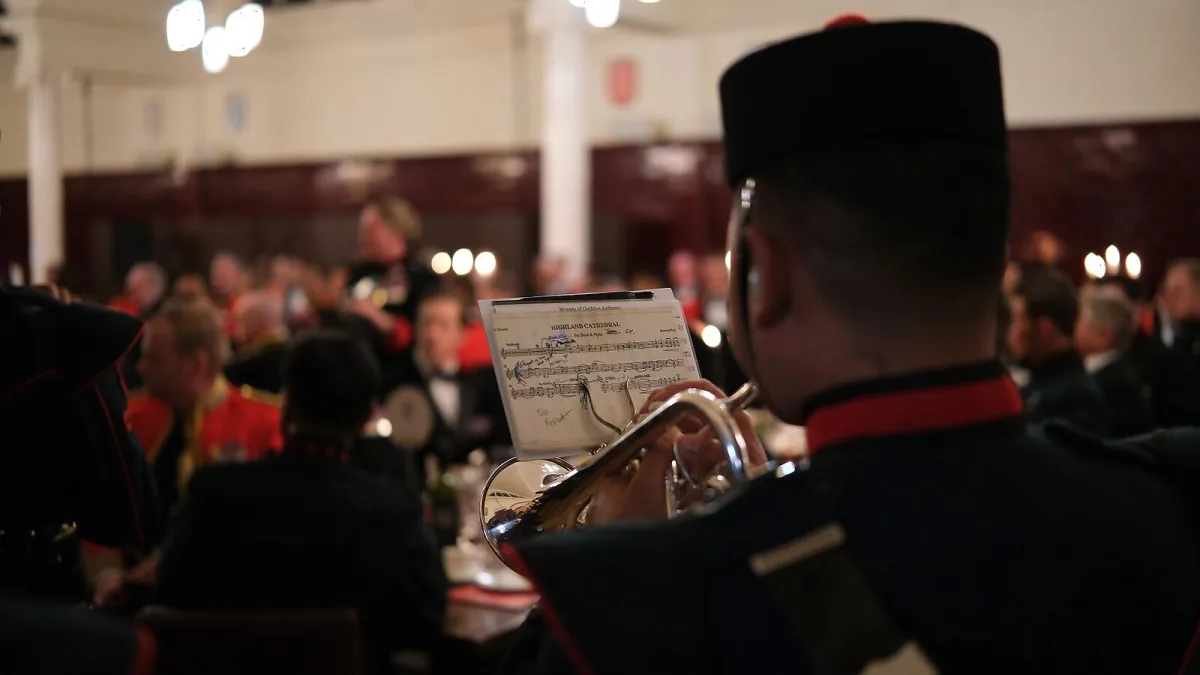
Deciding to buy an instrument so you can join a brass band is a rather different exercise to walking into a shop and picking whichever guitar looks best on the wall. A brass band has fixed sections, each with its own demands, and getting the choice right the first time will save you money and frustration. This guide sets out exactly what to weigh up before you spend a penny.
First, Work Out Which Voice Suits You
Every section of a brass band asks something slightly different of the player, so the sensible starting point is the music rather than the price tag.
| Section | What it demands | Good for |
|---|---|---|
| Cornet | Agile, high-register melodic playing | Confident players who enjoy leading the tune |
| Tenor horn / baritone | Steady mid-range harmony, less exposed | Newcomers who prefer supporting lines |
| Euphonium | A big, singing tone across a wide range | Players who enjoy lyrical, soloistic material |
| Trombone | Slide technique rather than valves; strong articulation | Those who fancy a physically different instrument |
| E-flat / B-flat bass | Breath stamina and a steady low pulse | Patient players happy to anchor the sound |
If you already play in, or have been invited to join, a specific brass band, ask the musical director which section needs players — bands are often short of basses or trombones long before they are short of cornets, and joining where you are needed makes for a warmer welcome.
New, Second-Hand or Borrowed?
Do not assume you have to buy at all. A great many brass bands, particularly training and youth sections, loan instruments to members for as long as they stay in the band, which is by far the cheapest way to start. Ask before you spend anything.
If you do need your own instrument, a second-hand or ex-demonstration model from a specialist brass dealer is usually far better value than a cheap new import, provided it has been properly serviced. Buying new gives you a warranty and no unknown history, but it costs more for the equivalent level of build quality; buying used asks you to be more careful about condition, which is covered below.
What to Check Before You Buy
- Valve or slide action. Valves should move freely with no sticking; a trombone slide should glide without grinding or catching.
- Compression. With valves down and no air escaping, a healthy instrument should hold a slight vacuum when you pull the third valve slide gently.
- Dents and dings. Small dents rarely affect tone badly, but dents near the bell throat or valve casings can affect intonation and are costly to repair.
- Finish. Lacquer or silver plating that is worn through is cosmetic, but flaking lacquer with green residue underneath can point to more serious corrosion.
- Intonation across registers. Play low, middle and high notes and listen for anything that sits stubbornly sharp or flat, which a mouthpiece change will not fix.
Wherever possible, take a trusted player or your band's tutor along, or at least borrow the instrument on trial before committing. A brass band community is usually generous with this kind of advice, so use it.
Mouthpieces and the Small Extras That Matter
The mouthpiece supplied with a new or used instrument is rarely the one you will end up using long-term; it is worth trying a few sizes once you have settled into playing, since mouthpiece choice affects tone, endurance and high-register comfort more than almost any other single factor. Beyond that, budget for a proper case, valve oil or slide grease, and a cleaning kit — none of it is expensive, but all of it protects the far larger sum you have already spent on the instrument itself.
Setting a Realistic Budget
Brass instruments broadly fall into student, intermediate and professional tiers, with price rising along with build quality, materials and the precision of the valve or slide work. There is little point paying for a professional-tier instrument as an absolute beginner, since you will not yet be able to exploit what it offers, and a well-maintained student or intermediate instrument will serve most band members for years. Treat manufacturer claims about projection or "professional" status with a healthy scepticism unless they are backed by independent review rather than marketing copy.
Insurance and Aftercare
Once you own an instrument, insure it separately if your band's own cover does not extend to personally owned equipment, and budget for an annual service. A brass instrument that is oiled, greased and checked regularly will hold its value and its tone far better than one that is only opened for rehearsal.
If you are still weighing up whether to take the plunge at all, our beginner's guide to brass banding covers the earliest steps, and our guide to the best-value routes into a brass band looks at loan schemes and section costs in more depth. Buy sensibly, ask your band for advice before you spend, and the right instrument will see you through many happy years of playing.





Comments