


Tubas Brass Instruments article
Tubas Brass Instruments: A Complete Guide
The biggest brass instrument in the room, quietly holding everything together underneath — here's what a tuba actually is and how it works.
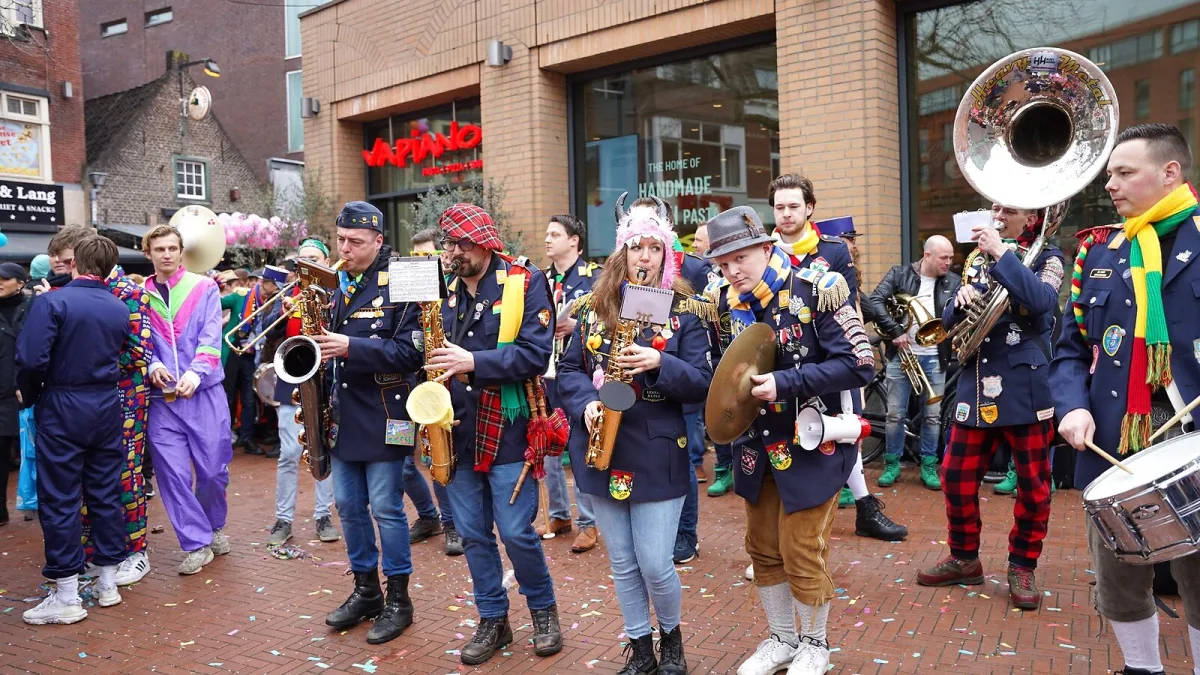
Stand at the back of any orchestra or concert band and you'll usually spot it straight away: the biggest, brassiest instrument in the room, quietly holding the whole ensemble together from underneath. This guide explains what a tuba actually is, how it makes that famously deep sound, where it came from, and why there isn't just one type of instrument hiding behind that one name.
What Is a Tuba?
A tuba is the largest standard brass instrument, and it provides the bass or contrabass foundation for orchestras, concert bands, brass bands and plenty of other ensembles besides. It's a lip-reed instrument, which means the player's own vibrating lips — not a reed like a clarinet or oboe uses — set the air inside moving. Valves then lengthen or shorten that air column to give a full chromatic range, rather than just the handful of natural notes older brass instruments were stuck with.
How It Actually Makes That Sound
The player forms an embouchure around a cup-shaped mouthpiece and buzzes their lips into it, and that vibration excites the air inside the tuba's tubing. Because the tubing is mostly conical — gradually widening rather than staying one width — the tone comes out broad and rounded, with a softer attack than more cylindrical brass instruments manage. Pitch is shaped by a combination of lip tension, air pressure, valve combinations, tonguing and even the shape of the player's mouth cavity. Playing one well is a genuinely physical business, in a way that's easy to underestimate from the audience.
What the Valves Do
Pressing a valve routes air through extra tubing, lowering the pitch by a set amount — roughly a whole step for the first valve, a half step for the second, and so on. Most modern instruments carry three to six valves, with four or five being typical, giving players enough combinations to cover the full range chromatically, including some trickier low notes that need alternate fingerings to stay in tune.
A Short History
Before the tuba existed, low brass parts fell to the serpent and the ophicleide — both usable, but limited in intonation, fingering and reliability compared with what came after. The breakthrough was the valve itself, generally credited to Heinrich Stölzel and Friedrich Blühmel in the mid-1810s, which finally made a fully chromatic low brass instrument practical.
That led to 1835, when Wilhelm Friedrich Wieprecht and instrument maker Johann Gottfried Moritz patented a bass tuba in F, originally intended to strengthen the low end of military bands. The tuba didn't stay there long — orchestras quickly found a use for its weight and depth, blending it with cellos, double basses, bassoons and trombones, and composers from Wagner to Vaughan Williams have written for it ever since.
Four Pitches, Four Roles
| Pitch | Where it's typically used |
|---|---|
| B♭ | American concert bands; also common in British brass bands |
| C | Particularly common in American orchestral playing |
| E♭ | Central to British brass-band tradition |
| F | Popular for solo playing and some orchestral parts |
The pitch refers to the fundamental tuning, not the lowest note a player can actually reach — a skilled performer can extend the practical range well past the "official" number. If you're weighing up which pitch suits your own playing, our buyer's guide goes through the decision properly.
Where You'll Actually Hear One
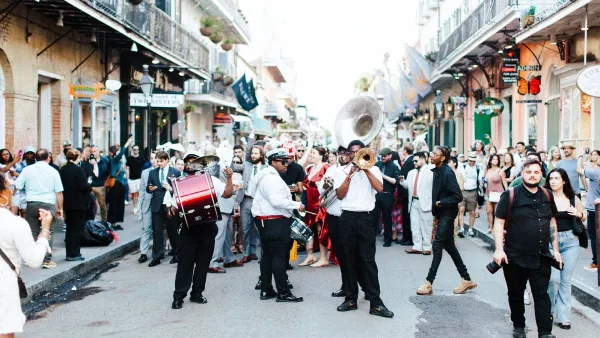
Orchestral parts range from reinforcing brass chorales and climaxes to genuinely exposed, lyrical solo writing — Ralph Vaughan Williams's 1954 Tuba Concerto being the best-known example of the latter. In American concert bands and British brass bands, the tuba is the anchoring bass voice, usually written at concert pitch in the former and transposing treble clef in the latter. It was also central to early New Orleans jazz, supplying bass lines before the double bass took over in many settings, and it never really left — modern jazz soloists like Howard Johnson and Bob Stewart kept the tuba as an improvising voice in its own right.
Players Who Changed How It's Heard
A handful of performers reshaped what people expect from the back row of the band. Arnold Jacobs, principal in the Chicago Symphony Orchestra from 1944 to 1988, became hugely influential as a teacher of breathing and sound production — ideas that still shape how the instrument is taught today. Roger Bobo and Norway's Øystein Baadsvik helped establish it as a genuine solo voice rather than purely an ensemble part, while John Fletcher did similar work in British orchestral circles. In jazz, Howard Johnson and Bob Stewart proved it could improvise with real agility, not just hold down a bass line.
Not to Be Confused With a Sousaphone
A sousaphone is a wraparound marching version of the tuba, designed to rest on the player's body with the bell facing forward for outdoor projection. Acoustically it's doing the same job as an orchestral tuba — the visual difference is about practicality on the march, not a genuinely different instrument.
Getting Started
If all this has you considering picking one up, our honest beginner's guide covers what starting out is really like, and our common mistakes to avoid piece is worth reading before you commit to a purchase. It's a demanding instrument in some ways — size, breath support, the sheer amount of air it wants — but few things in a band or orchestra feel as satisfying to play well.




Comments