


Tubas Brass Instruments article
Common Tubas Brass Instruments Mistakes to Avoid
From the wrong pitch to a neglected mouthpiece — here are the avoidable mistakes that trip up tuba buyers and players again and again.
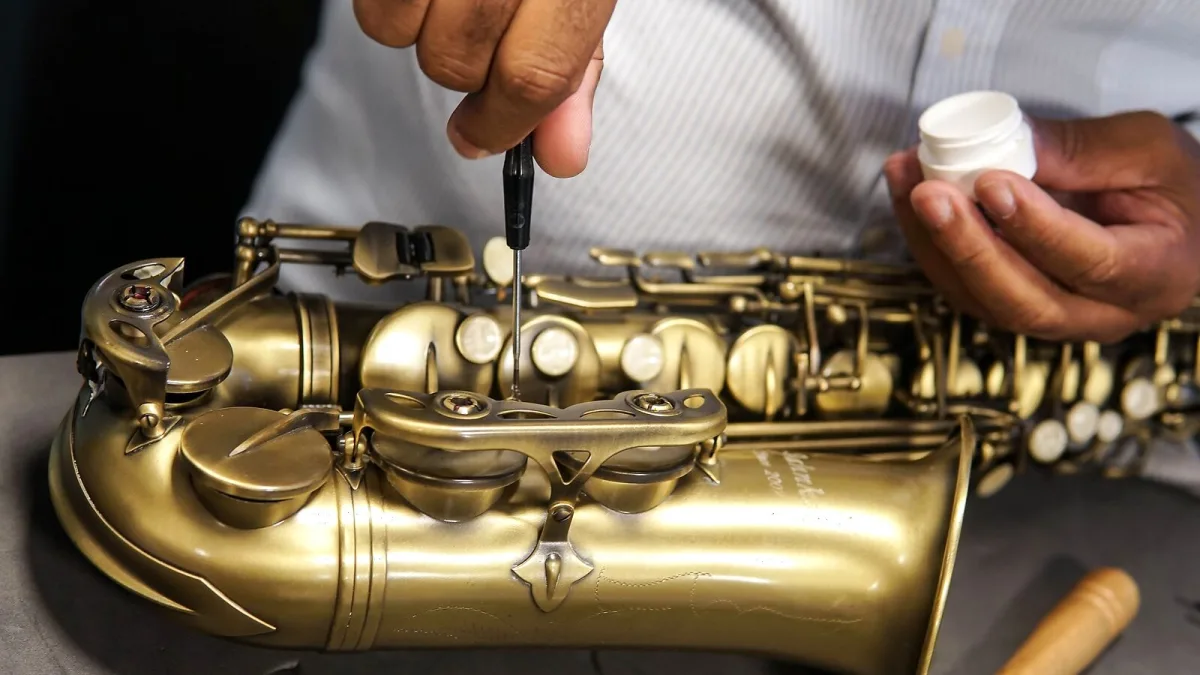
A tuba is a serious investment of money, time and, frankly, lung capacity, so it's worth getting the basics right rather than learning the hard way. Having watched plenty of players — beginners and experienced ones alike — trip over the same handful of avoidable errors, here's the honest rundown of what to watch for.
Mistake 1: Choosing the Wrong Pitch for Your Setting
Buying an instrument tuned to whatever pitch happens to be cheapest or most available, rather than what your ensemble actually uses, is a classic early error. A B♭ tuba doesn't slot neatly into a setting built around C, and vice versa. Work out whether you're heading into an American concert band, an orchestra, or a British brass band before you spend anything, because that context decides your pitch far more than personal preference does.
Mistake 2: Ignoring Valve Type Comfort
Piston and rotary valves feel genuinely different under the fingers, and switching from one system to the other later takes real adjustment time. Buying whichever tuba is available, rather than one with the valve type that suits your ensemble's tradition and your own hands, is a common regret. Try both if you possibly can before committing.
Mistake 3: Skipping Proper Maintenance
Piston valves need regular oiling; rotary valves need their own specific rotor oil and linkage care — and the two lubricants are not interchangeable. Water keys need emptying after playing, tuning slides need greasing, and dents or leaks need a qualified brass technician's attention rather than being left to worsen. Neglect here doesn't just cost more to fix later; it actively makes a tuba harder and less enjoyable to play in the meantime.
Mistake 4: The Wrong Mouthpiece
Sticking with whatever mouthpiece came bundled with the tuba, without ever trying alternatives, is an easy trap. Cup depth, rim width and backbore all shape tone, comfort and endurance, and a mismatch here can quietly undermine a player's progress for months without anyone realising the mouthpiece is the culprit rather than a lack of skill.
Mistake 5: Buying Without Playing It First
Ordering an instrument sight unseen, based purely on spec sheets or reviews, skips the one test that actually matters: how it feels and sounds in your own hands. Long tones, scales, soft and loud attacks and the lowest notes you'll realistically need should all be part of a proper trial, ideally with a teacher or experienced player listening alongside you.
Mistake 6: Underestimating Breath Support
New players often reach for volume or a difficult low note by tensing the throat or shoulders, rather than supporting the sound with a full, relaxed breath. This habit is hard to unlearn once it sets in, and it produces a strained, less controlled tone than proper air support ever would. It's worth getting this right from the very first lessons rather than correcting it later.
A simple check: if your shoulders rise noticeably as you breathe in, or your throat feels tight as you play, the air isn't moving as freely as it should. A teacher can spot and correct this far faster than working it out alone by trial and error.
Mistake 7: Overlooking Repair History on a Used Instrument
A shiny finish tells you very little about what's actually going on mechanically. Valve compression, solder joints, slide movement and past repairs all deserve proper scrutiny on any secondhand tuba, ideally from a repair technician rather than a hopeful guess. Skipping this step is how players end up with an expensive repair bill within months of buying.
Mistake 8: Practising Too Long, Too Soon
Enthusiasm for a new tuba often leads beginners to practise for far longer than their embouchure can comfortably manage. Long, tiring sessions in the first weeks build bad habits and sore lips rather than good technique. Short, frequent, focused practice serves a developing tuba player far better than one exhausting marathon session.
Avoiding These Mistakes Going Forward
Most of these errors share a common thread: they come from rushing the decision rather than researching it properly. Our buyer's guide covers pitch, valves and inspection in proper depth, and our general guide to the instrument is worth reading if any of the terminology above felt unfamiliar. A little patience before you buy a tuba, and a little discipline once you own one, avoids nearly every mistake on this list.






Comments