


English Horn article
English Horn for Beginners: A Complete Guide
Every professional you'll ever hear play one felt exactly this awkward the first week too. Here's a reassuring way in.
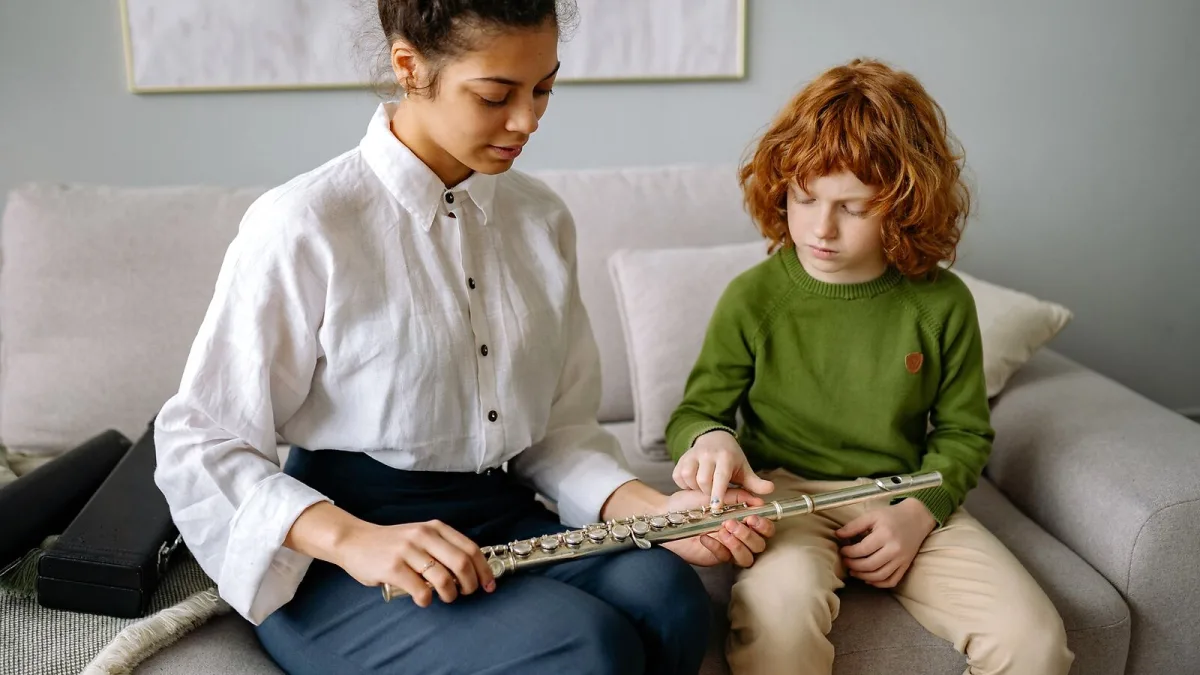
Picking up an English horn for the first time can feel like starting all over again, even if you've played oboe for years. It's bigger, it sits differently, and the reed behaves like it's got its own opinions. Take a breath — every single professional you'll ever hear play one felt exactly this awkward the first week too.
You'll Probably Come to This From the Oboe
Almost nobody starts on the English horn as their very first instrument. Most players arrive already fairly comfortable on the oboe and are adding this as a second, related skill — which is genuinely good news, because your fingers already know most of what they need to know. The fingering system is close enough to the oboe's that you're building on existing muscle memory rather than starting from nothing.
What Actually Feels Different at First
- The size and weight. It's noticeably bigger and heavier than an oboe, and your right thumb, wrists and neck will feel that in a way they haven't before. This is completely normal, and it's exactly why a support sling or peg exists.
- The reed. A proper English-horn reed is longer, sits on a bigger staple, and generally wants a bit more air behind it than an oboe reed does. Don't panic if your first few honks sound nothing like the warm, rich tone you were expecting — that's a reed and embouchure thing, not a sign you're doing something fundamentally wrong.
- The transposition. Because it's pitched in F, what you read isn't what sounds. If your part is already written for the instrument, you don't need to think about this at all — the composer's already done that work for you.
Your First Few Weeks
Don't rush toward repertoire straight away. Spend real time on long tones first, purely to get your ear and embouchure used to how differently this instrument responds compared with the oboe. Play slowly, listen honestly, and don't be discouraged if the tone wobbles more than you'd like at first — that settles with hours on the instrument, not with worrying about it.
It's also worth getting a support sling or peg sorted early rather than waiting until your neck or thumb starts complaining. There's no badge of honour in toughing out discomfort that a fifteen-pound accessory solves completely.
Worries Every Beginner Has
- "What if I sound worse than I did on oboe?" You probably will, for a little while. That's not a step backward, it's just what learning a new instrument looks like, even a closely related one.
- "Do I need my own instrument straight away?" Not necessarily — many players start on a school, orchestra or borrowed instrument before committing to a purchase. Our buyer's guide is there whenever you're ready for that step.
- "Is my reed just bad, or am I doing something wrong?" Genuinely, often both a little. Reed adjustment is a real skill, and a teacher or experienced double-reed player can usually diagnose the difference in a few minutes.
- "How long before I feel comfortable?" Most players report feeling genuinely at home after a few months of regular practice, though everyone's timeline looks a little different.
Small Habits That Help Early On
Keep a couple of reeds on the go rather than relying on just one, since English-horn reeds are sensitive to humidity and can behave differently day to day. Swab the bore after every session, and let the instrument acclimatise gently to room temperature rather than going straight from a cold car into a warm hall. None of this is complicated, but building the habit now saves you real frustration later.
Where to Go From Here
Once the basics feel steadier, our full overview is a good next read for the instrument's history and orchestral role, and our piece on common mistakes to avoid will save you from a few frustrations other beginners have already worked through. Be patient with yourself — this is a genuinely rewarding instrument to learn, and every awkward first week is temporary.





Comments