


Bass Trombone roundup
Bass Trombone: A Complete Buyer's Guide
Single or double trigger? 0.562 or 0.580 bore? Yellow or gold brass bell? Here's how to work through every buying decision clearly.
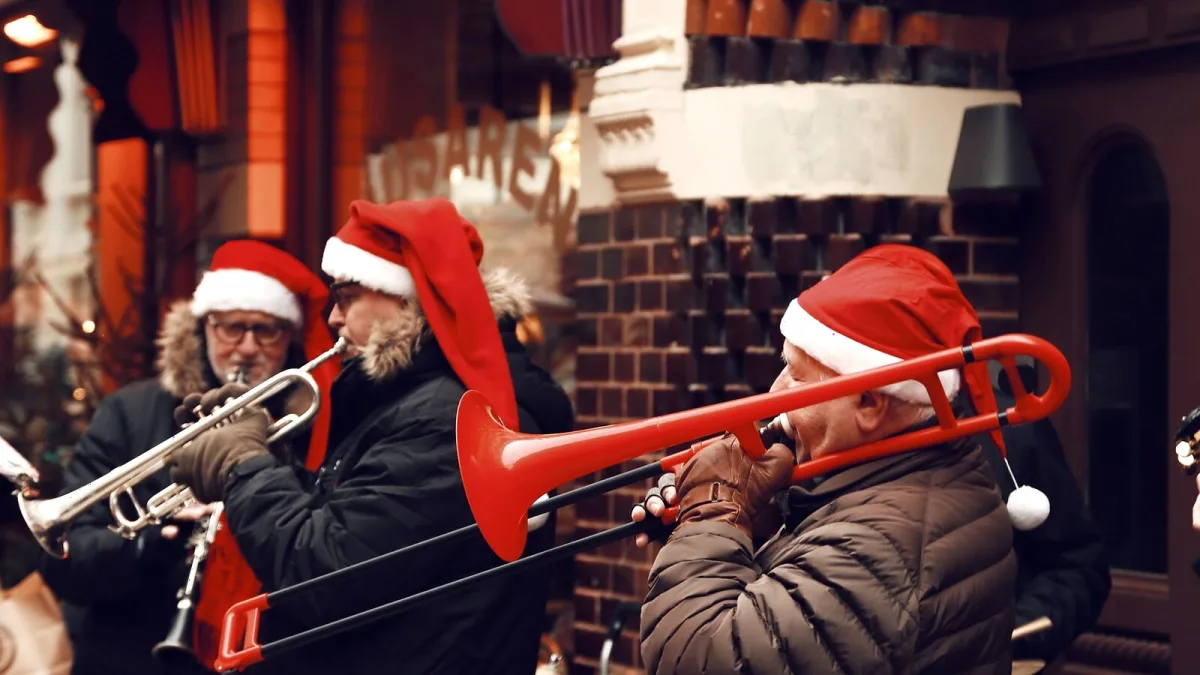
Buying a bass trombone involves decisions about bore size, trigger configuration, bell material and brand that matter significantly for tone, playability and long-term value. This guide covers what to look for at each stage of the purchasing process.
Bore Size
The bore — the internal diameter of the tubing — is the most fundamental specification. Standard bass trombone bores are 0.562 inches and 0.580 inches. The 0.562 bore is more common in student and intermediate instruments and offers slightly more resistance, which some players find easier to control. The 0.580 bore is standard on professional instruments and produces greater volume and a fuller low-end response, but demands more air and a stronger embouchure to play consistently. If you are transitioning from a tenor trombone, a 0.562 instrument is a practical first step.
Single or Double Trigger
A single-trigger bass trombone has an F attachment only. This is sufficient for most student and amateur use — orchestral parts, brass band playing and much jazz big band writing are accessible with a single valve. A double-trigger instrument adds a second valve (typically Gb on a dependent system, or G on an independent), which fills chromatic gaps in the pedal register and provides more options for low-register passages. Professional players almost universally use double-trigger instruments. For a student or developing player, a single-trigger instrument from a reputable brand is a cost-effective starting point.
Bell Material and Finish
Bell material affects tone quality. Yellow brass is the most common and produces a bright, projecting sound. Gold brass has a slightly warmer, darker tone and is preferred by many orchestral players. Rose brass takes the warmth further still. Lacquered finishes protect the bell and tubing but add a small amount of dampening. Silver plate removes that dampening effect and is favoured by players who want the most resonant possible response. The practical difference between lacquer and silver plate is subtle; focus on playability and construction quality before finish.
Key Brands
Conn, Bach, Yamaha, Shires and Edwards are the principal brands for professional-level bass trombone. Conn's 62H is a long-standing orchestral standard. Bach's 50 series is widely used in American orchestras. Yamaha's 620 and 822G offer consistent Japanese manufacturing quality and are popular in the UK. Shires and Edwards are boutique American makers offering custom-specification instruments at the professional end of the market.
New vs Second-Hand
Well-maintained second-hand instruments from established brands represent excellent value. Inspect the slide for smooth, even action — a bass trombone slide should glide cleanly with no resistance or rattling. Check that all trigger valves operate cleanly and return positively. Inspect soldered joints around the bell seam, valve attachments and receiver for cracks or repaired splits. For a comprehensive look at how the instrument works and its role in ensembles, see the full overview.





Comments