


Vinyl Album Cleaning Kit roundup
Vinyl Album Cleaning Kit: A Complete Buyer's Guide
Kits love to list a big pile of accessories, but the number tells you nothing — here's what actually matters when you're buying one.
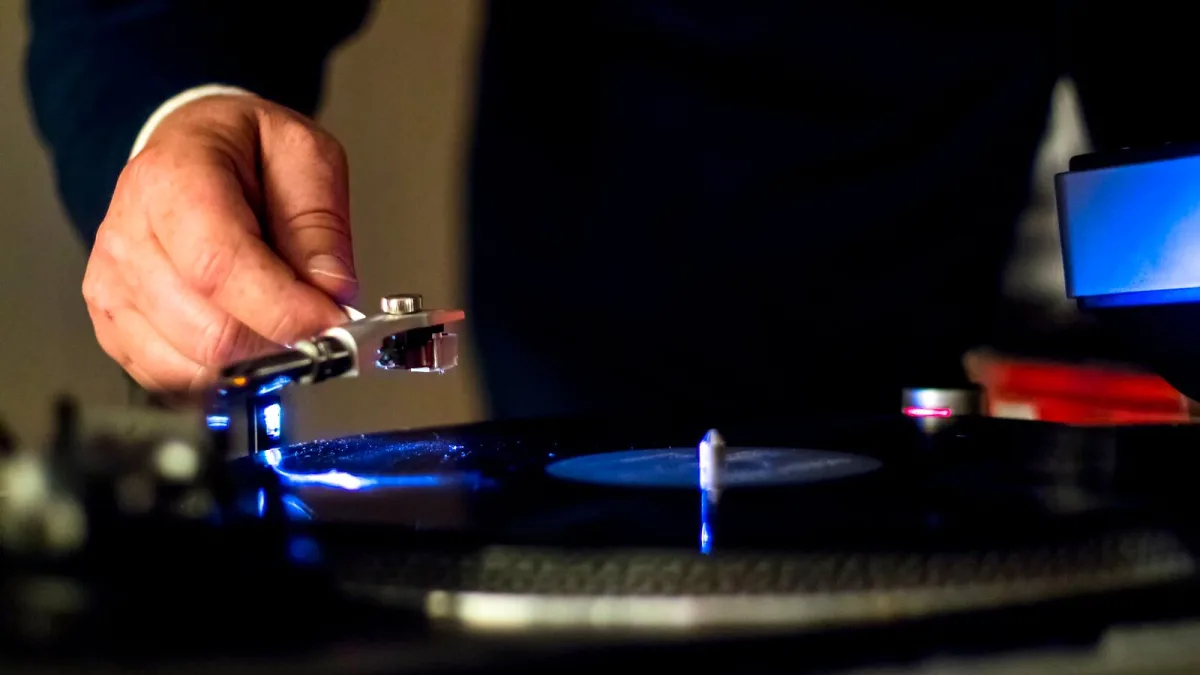
Anyone who's spent an afternoon crate-digging knows the feeling: you find something brilliant, get it home, and it's covered in decades of somebody else's dust and fingerprints. That's exactly when a decent vinyl cleaning kit earns its keep, and here's what actually matters when you're picking one.
Ignore the Accessory Count, Check the Fundamentals
Kits love to list a big pile of included bits, but the number of accessories tells you nothing useful. What matters is whether the fluid is properly formulated, the brush is genuinely soft and anti-static, the drying cloth is truly lint-free, and there's some way to keep the label dry during wet cleaning. Four good components beat eight mediocre ones every time, whatever the price point.
Fluid: The Bit Worth Actually Reading About
A decent cleaning fluid should wet the groove properly, lift dirt without leaving a film behind, and be genuinely safe for records and labels when used as directed. Some formulas use diluted isopropyl alcohol, others go alcohol-free with surfactants instead — the wider guides genuinely disagree on which is better, so the sensible move is to buy a kit whose manufacturer clearly states what's in the fluid and how to use it, rather than one that's cagey about the details.
Brush and Applicator: Different Jobs, Different Tools
| Tool | Job | What to check |
|---|---|---|
| Carbon-fibre brush | Dry dusting | Genuinely soft, anti-static bristles |
| Velvet/microfiber applicator | Working in wet fluid | Gentle enough not to abrade the grooves |
| Drying cloth | Removing fluid | Truly lint-free — check reviews, not just the label |
A kit that combines a dry brush and a wet applicator into one multi-purpose tool is genuinely worth double-checking — using the same bristles for both jobs can drag dry grit through wet grooves, which is the opposite of what you're trying to achieve.
Manual Kit or Something More Serious?
If you're buying the odd secondhand record here and there, a manual vinyl cleaning kit is genuinely all you need. If you're routinely bringing home crates of unknown-condition records — the actual crate-digger scenario — a vacuum-assisted machine, which sucks the dirty fluid away instead of leaving you to wipe it off, starts to make real financial and practical sense. Ultrasonic cleaners sit above that again, and they're honestly overkill unless you're processing serious volume.
Don't Skip the Label Protection
Paper labels stain, soften and can delaminate when they get wet, and it's an easy thing to overlook when you're focused on the grooves. A proper label protector or clamp is a small addition to a vinyl cleaning kit that saves you from a genuinely upsetting mistake on a record you actually care about.
Before You Buy
- Check the fluid's stated ingredients and instructions, not just marketing language.
- Confirm the brush and applicator are separate tools for separate jobs.
- Look for a lint-free cloth backed by genuine reviews, not just the packaging claim.
- Get label protection if the kit is meant for wet cleaning.
- Match manual versus machine-based to how much cleaning you'll actually do.
If you want the fuller picture on how these tools work together, our full explainer covers it, and common mistakes to avoid is worth a read before your next crate-digging haul comes home.



Comments