


Alto Saxophone article
Alto Saxophone Explained: Features, Types and Tips
The alto saxophone strikes the perfect balance between accessibility and artistic depth. Whether you're a curious beginner or a gigging musician, this guide reveals how this elegant instrument works and why it matters across jazz, classical, funk and beyond.
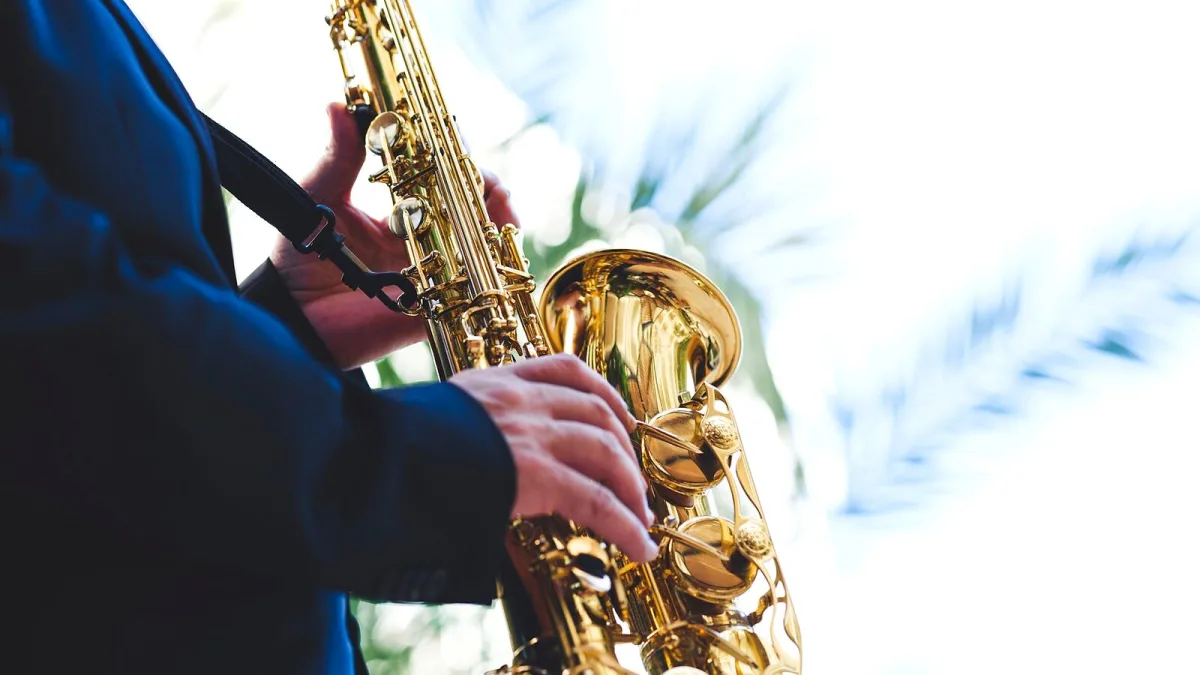
The alto saxophone is the most approachable entry into the saxophone family, and for good reason. Pitched in E♭ and sitting comfortably between the smaller soprano and larger tenor, the alto saxophone strikes a balance that makes it ideal for newcomers yet rewarding enough for professionals. Its curved body, single-reed mouthpiece and system of keys might look intimidating at first glance, but once you understand how they work together, the instrument reveals a straightforward logic and extraordinary expressive range.
What Is an Alto Saxophone?
An alto saxophone is a member of the single-reed woodwind family, designed by Belgian instrument maker Adolphe Sax in the 1840s. The word "saxophone" reflects its hybrid nature: it combines the reed and tone-hole mechanics of a woodwind with the projecting power and presence usually associated with brass. The alto, specifically, is tuned to E♭, meaning a written C on the instrument sounds as concert E♭ when heard by others—a transposition that matters when reading scores alongside piano or other concert-pitch instruments.
The instrument's physical structure is elegant in its efficiency. The main body contains tone holes and most of the keywork, while the detachable neck connects body to mouthpiece and strongly influences how the instrument responds. A single reed—a thin, shaped piece of cane or synthetic material—vibrates against the mouthpiece to initiate sound. The player's fingers operate a system of keys, springs and pads that alter the effective length of the vibrating air column inside the tube, changing the pitch. An octave mechanism allows the player to jump into the upper register without fingering every intervening note.
The Alto's Place in the Saxophone Family
Four main sizes dominate most playing contexts: soprano, alto, tenor and baritone. The alto saxophone sits second in this lineup. It is larger and lower than the soprano yet more compact and higher than the tenor. This positioning gave the alto saxophone a practical advantage: it is light enough for younger players and requires less air support than larger saxophones, yet its register is prominent enough to be heard clearly in ensembles.
The alto's curved neck—which bends at roughly a right angle—gives its tubing extra length compared with the soprano, helping extend the pitch range downward and deepen the overall sound. Typical modern alto saxophones span from written low B♭ to high F or F♯, roughly two and a half octaves in standard fingering. Advanced players can reach even higher through altissimo technique, though that requires careful embouchure and voicing control.
Sound and Tonal Characteristics
What does an alto saxophone actually sound like? The instrument occupies a warm, middle-register voice—neither as bright as the soprano nor as dark as the tenor. Its tone is often described as clear and penetrating, making it well suited to both solo lines and supporting harmonic roles within an ensemble. The exact character, however, depends far less on the brand or model than many assume. Instead, the mouthpiece, reed, neck geometry, player embouchure, and setup all interact to shape the final sound. A well-maintained student alto saxophone with the right mouthpiece and reed can sound more satisfying than a neglected professional model.
Historical Significance and Genre Presence
Since the early 20th century, the alto saxophone has been central to nearly every major musical tradition: jazz, classical concert music, funk, R&B, pop, rock, concert band and marching band all rely on it heavily. In jazz alone, the alto's influence is immense. Pioneering bebop artist Charlie Parker transformed the instrument into a vehicle for complex harmonic language and blazing improvisation. Johnny Hodges brought lyricism and vocal warmth; Paul Desmond offered refinement and clarity; Cannonball Adderley brought infectious energy and accessibility. Each player shaped the instrument's legacy and expanded its technical vocabulary.
In classical contexts, the saxophone quartet has become standard, and the alto leads or supports equally with tenor, soprano and baritone voices. Composers from Debussy onward have written for the instrument, and a substantial concert repertoire now exists. In commercial music—studio sessions, theatre orchestras, and popular recordings—the alto saxophone provides everything from punchy horn-section hits to soaring melodic moments.
Key Components and How They Matter
Understanding the main parts of an alto saxophone helps clarify why maintenance, adjustment and setup choices are so important:
- Mouthpiece — shapes the air stream and influences resistance, projection and tonal colour. Tip opening and chamber design vary; a moderate, student-friendly facing is usually easiest to control.
- Reed — vibrates to produce sound. Strength numbers (typically 1.5 through 3) indicate hardness; softer reeds are generally easier initially, though the exact preference depends on embouchure and mouthpiece.
- Neck and bore — the neck's geometry strongly affects response and intonation. Advanced models may feature refined neck designs to address octave accuracy and tone colour.
- Pads and springs — seal tone holes when keys close. Leaking pads are one of the most common reasons a seemingly cheap instrument feels unplayable; professional regulation is usually the solution.
- Keywork and regularity — precise alignment and smooth action are essential. Springs must be balanced; keys must not stick or rattle.
Student, Intermediate and Professional Models
When shopping for an alto saxophone, you will encounter three tiers. Student models (often labelled "SAS" or similar) prioritize easy response, durable construction, stable intonation and comfortable key action—exactly what a developing player needs. The Selmer SAS202, for example, includes a front-F key, blue-steel springs, and a range to high F. Intermediate models offer more refined keywork, optional high F♯, and improved intonation. Professional altos address octave relationships, neck bore refinement and specialized design; the Henri Selmer Paris Signature, for instance, uses a revised neck geometry intended to enhance response and tone consistency.
Price alone does not determine quality or suitability. A new intermediate-level instrument that is properly regulated can outperform a vintage professional saxophone that has sat neglected in an attic for years. Mechanical reliability and professional setup matter more than brand prestige or expensive finishes.
Getting Started: The Right Approach
Newcomers are often drawn to the alto saxophone because it feels like the natural entry point. The compact key spacing, moderate air requirements and accessible register mean less struggle early on. Starting with a sensible approach—a mechanically reliable student instrument, a moderate mouthpiece, and a reed around strength 2 or 2.5—removes obstacles to practice and learning. Pair this with consistent swabbing, proper storage and the willingness to seek professional setup or repair rather than assuming a more expensive instrument will fix everything, and you have a foundation for real progress.
The alto saxophone has endured for nearly two centuries because it offers something rare: approachability without sacrifice of artistic depth. Whether you play folk, jazz, funk, classical or experimental music, this instrument meets you where you are and invites you to grow.






Comments