
Headphone Amp article
Headphone Amp for Beginners: A Complete Guide
A dedicated amp transforms how your headphones sound—clearer, louder, more detailed. Here's everything a beginner needs to know before buying one.
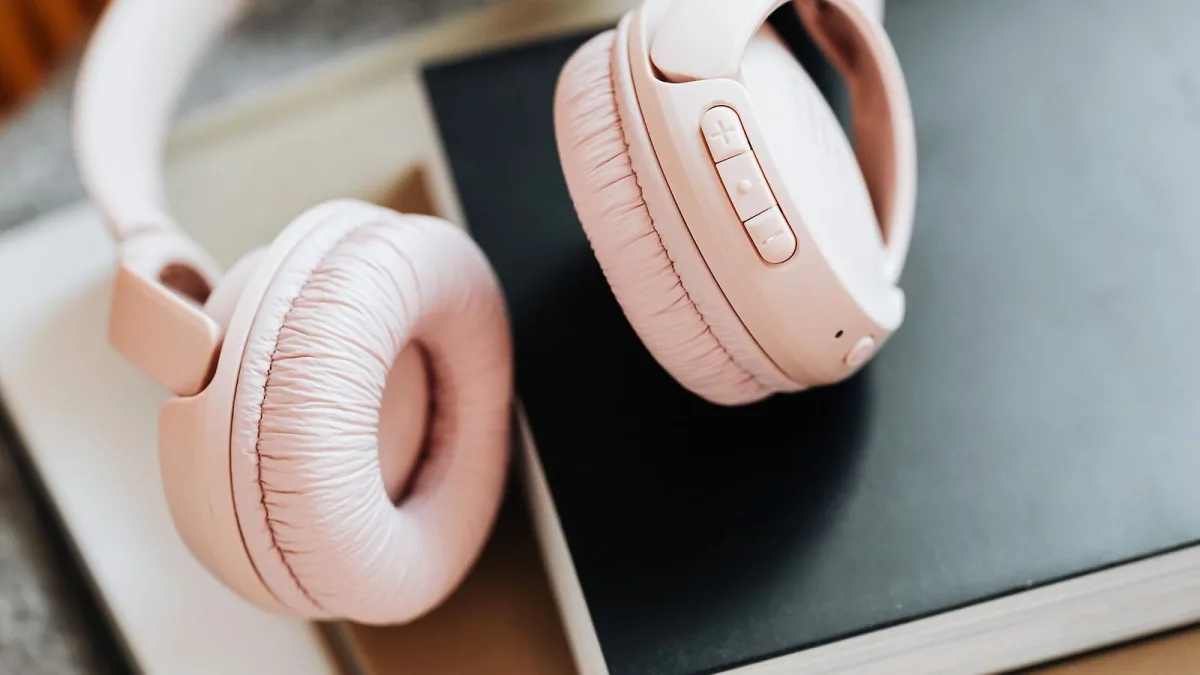
If you've been mixing or listening through your computer's headphone jack, you already know something's missing. The signal feels weak, details get lost, and after an hour your ears feel tired. That's where a headphone amp steps in—and no, you don't need to understand electronics to benefit from one. This guide is for anyone picking their first amp, with no jargon and no nonsense about specs you don't need yet.
Why Bother With an Amp at All?
Your audio interface, mixing console or even your laptop has a headphone output built-in. So why add another piece of gear to your desk? Simple: those built-in outputs weren't designed with headphones as the main priority. They're an afterthought. A dedicated amp, by contrast, exists for one job only: making your headphones sound as good as possible. That focus makes a real difference.
When you plug headphones into a weak output, the amplifier on that chip struggles to deliver enough current. Your headphones sound compressed, quiet even at high volume, and dynamics flatten out. A standalone amp solves this by buffering the signal and delivering the current your headphones actually need. You hear more detail, wider dynamic range, and less ear fatigue. That's the whole point.
What Kind of Amp Should Your First One Be?
Two main types exist: portable amps and desktop amps. If you're mixing at a studio desk and leaving it there, go desktop. If you're carrying it to different rooms or using it on the go, go portable. That single question narrows down half your options immediately.
Within those categories, you have solid-state amps (using transistors) and tube amps (using glass valves). For a beginner, solid-state is simpler: more reliable, runs cooler, cheaper. Tube amps sound lovely and warm but need occasional maintenance and replacement tubes. Save tube amps for when you've earned your beginner stripes.
Do You Need to Know About Impedance?
Yes, but only one fact: find your headphones' impedance number (check the box or manufacturer's website) and make sure the amp you pick says it works with that impedance. That's it. Most amps work with most headphones, but a quick cross-check takes 30 seconds and prevents buying the wrong thing. Look for amps advertising "low output impedance" or "works with headphones 16 ohms to 600 ohms"—those will pair well with nearly any headphones you own.
Budget Reality Check
Entry-level amps start around £30 and sound decent. Mid-range models (£80–200) are where most beginners should shop—you get noticeably better sound without crazy expense. High-end amps climb to thousands, but they won't change your life if you're still learning the basics. Spend your first amp budget on something that improves what you hear right now, not on future-proofing for gear you don't own yet.
A good rule: don't spend more than 20% of your headphone budget on the amp. If your headphones cost £150, a £30 amp makes sense. If they cost £500, a £100 amp is reasonable. This keeps the whole chain balanced.
Five Things to Check Before Buying
Ignore the marketing blather on the box. Instead, confirm these five things before you commit money:
- Impedance compatibility — Your headphones' impedance matches the amp's supported range.
- Power output — Look for at least 100 milliwatts if buying desktop, 50 mW if portable. More is fine; less might leave you wanting volume headroom.
- Inputs and outputs — Make sure the amp accepts the type of signal you're sending it (USB, 3.5mm, RCA, optical—whatever your interface outputs). Check it has one headphone jack, or multiple if you need them.
- Noise floor — Read reviews and listen if possible. If the amp hisses or hums on its own, it's not a keeper. Signal-to-noise ratio above 100 dB is excellent.
- Build and feel — Does the volume knob feel solid? Does the chassis feel cheap or robust? Do reviews mention reliability? Cheap build quality wastes money.
What to Listen For When You Get It Home
Plug in your headphones and play music you know well. Listen for these improvements: Can you hear details you couldn't before—reverb tails, background textures, quieter vocals? Do drums and bass feel punchy rather than mushy? Does the sound stay clean and clear even at higher volumes, without harshness? Does your ear feel fresher after 30 minutes than it did with your old setup? Yes to most of those means you've made a good choice.
Don't expect magic. An amp fixes weak outputs and reduces noise; it doesn't transform bad headphones into good ones. If your headphones sounded dull before, they'll sound less dull through a good amp, but they're still the same headphones. Quality starts with good cans.
Your Next Steps
Buy from somewhere with a reasonable return policy so you can send it back if it doesn't work with your gear. Read the two or three most recent reviews on a trusted site to check whether users report reliability issues. Ask the seller or check the manual whether it needs anything special to power up (some need power adapters, some run on batteries, some draw power from USB).
Then plug it in, put on your favourite song, and listen. You're about to hear your music more clearly than you have in a long time.





Comments