


Genelec Speakers article
Genelec Speakers for Beginners: A Complete Guide

Starting your music production journey becomes far easier with proper monitoring equipment. Genelec speakers represent an excellent choice for beginners, offering reliability and accuracy that builds good listening habits from day one. This beginner's guide demystifies active monitors and walks you through everything you need to know about getting started with Genelec speakers in your new studio. Many aspiring producers waste countless hours struggling with inadequate monitoring, making fundamental mistakes that better speakers would have prevented. Investing in Genelec speakers from the beginning accelerates your learning curve dramatically.
Why Beginners Should Care About Genelec Speakers
Many starting producers work with poor monitors or basic laptop speakers, making it nearly impossible to judge mix quality accurately. Genelec speakers eliminate this guesswork. Their flat, accurate response means what you hear matches what others hear when they play your music on different systems. This honest feedback accelerates your learning process dramatically. Producing music on terrible monitors teaches terrible listening habits, training your ears to favour exaggerated bass and bright highs rather than balanced, honest representation. By starting with Genelec speakers, you avoid these counterproductive habits entirely, building your foundation on professional-grade accuracy from day one.
Active Monitors Explained Simply
Genelec speakers are "active" monitors, meaning they include built-in amplifiers. You connect them directly to your audio interface without needing separate power amplifiers. This simplicity makes Genelec speakers beginner-friendly—fewer cables, fewer decisions, straightforward setup. The amp is perfectly matched to the drivers, ensuring optimal performance right out of the box. Passive speakers, by contrast, require external amplifiers precisely matched to your system, adding complexity and cost that beginners don't need. Active monitors represent the modern standard in professional studios for good reason—they're more convenient and offer better performance than passive alternatives.
Choosing Your First Genelec Speakers
For most bedroom and home studios, a compact pair of Genelec monitors in the 4 to 5-inch woofer range works perfectly. These sizes deliver adequate bass while staying manageable in typical bedrooms or small home offices. The Genelec 8020 or 8030 make excellent first-time purchases, offering genuine quality at reasonable prices within reach of most students and hobbyists. Don't feel pressured to buy the largest available models—smaller speakers placed correctly deliver better results than oversized monitors crammed into inadequate spaces. Start with compact monitors, learn them thoroughly, and upgrade later if your workflow demands more bass extension or higher maximum SPL.
Setting Up Your Studio Space
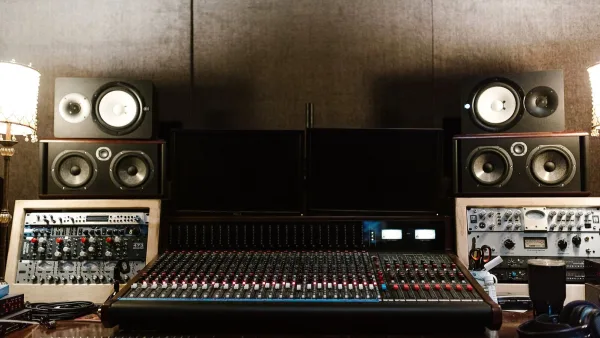
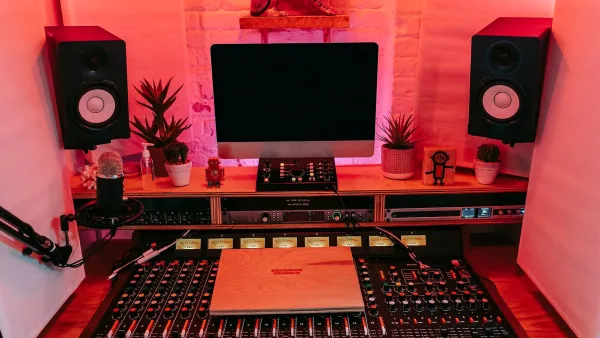
Position your Genelec speakers symmetrically around your mixing position, roughly at ear height. Point them directly at you, avoiding corners if possible. Place acoustic foam or soft furnishings nearby to absorb excess reflections. You don't need a fancy treated studio—even simple precautions dramatically improve how your Genelec speakers perform. Many successful producers work in bedrooms with minimal treatment, achieving excellent results through thoughtful speaker placement and modest acoustic treatment. Hanging a blanket on the wall behind your speakers, adding bookshelves for diffusion, and positioning soft furniture around the room all help enormously without requiring expensive acoustic panels.
Connection and First Steps
Connect your Genelec speakers to your audio interface using balanced XLR cables. Set input levels conservatively—you want clean signal without excessive gain. Switch on the monitors, play familiar music through them, and get comfortable with how reference material sounds. This baseline helps you judge your own mixes more accurately. Spend several days simply listening to professional recordings through your Genelec speakers before attempting to mix anything. Your ears require acclimation to accurate monitoring; rushing directly into mixing deprives you of this essential learning period.
Learning to Mix on Genelec Speakers
Genelec speakers teach you honest mixing habits. They won't flatter your work with exaggerated bass or brilliant highs. At first, mixes might sound too flat or thin through Genelec speakers compared to cheap consumer monitors. This is exactly right—you're finally hearing what's really there. Embrace this honesty and let it guide your mixing improvements. Your instinct to add bass or brighten the highs comes from years of listening to coloured monitors; resist this urge and trust the Genelec response. Within weeks, you'll recognise that the "boring" accurate sound of Genelec speakers actually makes your mixes sound better everywhere.
Common Beginner Mistakes with Active Monitors
Don't play Genelec speakers extremely loudly—they'll handle it, but sustained high levels invite fatigue and potential hearing damage. Keep monitoring levels moderate, around 85dB SPL, which sounds clearly audible without straining. Don't place them right in room corners, where bass accumulates excessively and creates misleading low-frequency response. Don't ignore room reflections entirely—even basic treatment helps Genelec speakers sound their best. Don't share speakers between listening to music for pleasure and professional monitoring; switch between different speakers or accept that reference monitoring and entertainment listening use different acoustic approaches.
When You're Ready to Upgrade
As your skills and ambitions grow, you might want larger Genelec speakers with deeper bass response. The good news? Genelec's consistency across the range means upgrading feels natural—you already know how they sound and work. Selling your current pair and stepping up becomes a straightforward process. Many professional studios maintain both small reference monitors and larger main monitors, using both for comprehensive verification. This approach lets you catch problems that smaller speakers might miss while preventing fatigue from extended monitoring sessions.
Conclusion
Genelec speakers provide beginners with professional-grade monitoring that encourages good listening habits and accelerates skill development. By investing in accurate monitoring from day one, you build your foundation on solid ground, making every subsequent mixing and production decision more informed and more likely to translate well across playback systems. This head start proves invaluable as you develop your production skills and artistic voice over the years ahead.




Comments