


AKG Acoustics Headphones article
Akg Acoustics Headphones for Beginners: A Complete Guide
New AKG headphones don't need to be intimidating. Here's how to set them up properly and start training your ear, gently and without rushing.
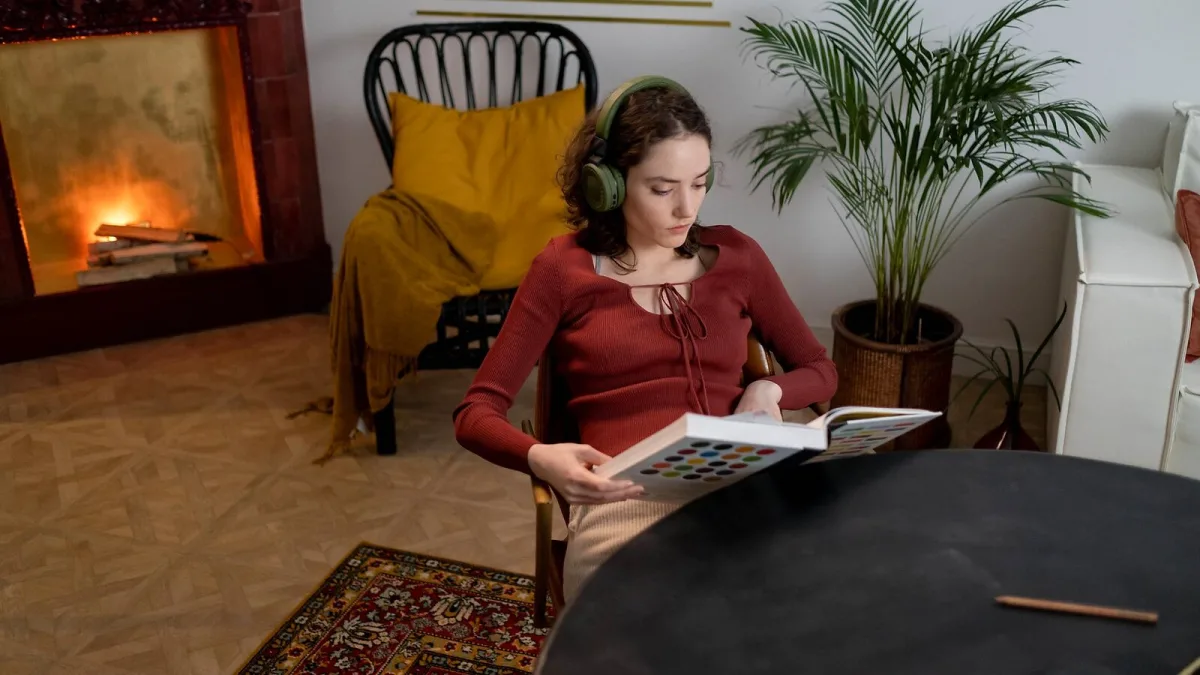
If you've just bought your first proper pair of AKG headphones, take a breath — there's nothing complicated ahead of you. We'll go through what you actually have, how to set it up properly, and what to listen for as your ear gets used to it. Nothing here needs rushing.
First, Which Type Do You Actually Have?
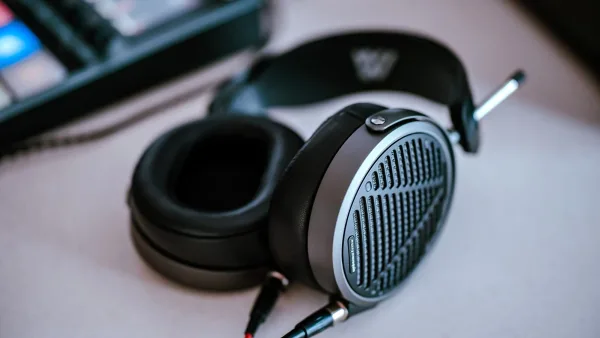
AKG headphones come in two broad families, and it helps to know which one you're holding. Open-back models, like the K702 or K712 Pro, have earcups with grilles that let sound pass through in both directions — you'll hear a little of the room, and the room will hear a little of your music. Closed-back models, like the K371 or the wireless N700NC M2, seal around the ear and keep sound largely contained. Neither is better in general; they're simply suited to different situations, and your model's design will tell you a lot about what it's meant for.
Setting Up for Your First Proper Listen
Take these steps slowly the first time, and they'll become second nature within a session or two:
- Plug into a proper source — an audio interface or headphone amp gives cleaner results than a phone's headphone jack for critical listening.
- Fit the earcups gently and evenly, checking the seal feels the same on both sides before you start.
- Start at a low volume and bring it up gradually, rather than guessing a level and adjusting down from too loud.
- Check that both channels sound balanced by playing something with a clear centre image, like a solo voice.
- Listen to a track you know well on a different system first, then switch to your AKG headphones, so you have a fair point of comparison.
What to Listen For as You Learn
Give yourself permission not to trust your ears completely on day one. It genuinely takes time to learn what a pair of headphones is telling you, in the same way it takes time to learn to sight-read music. Notice how vocals sit compared with the instruments around them, whether the bass feels controlled or a little loose, and how comfortable long sessions feel physically as well as sonically. None of this needs to be analysed hard — just noticed, gently, session by session.
Common Early Questions
- "Is it normal that I can hear a bit of the room?" — yes, if you have an open-back model. That's the design working as intended, not a fault.
- "Should I turn the volume up to hear detail better?" — not as a habit. Careful listening at a moderate level teaches your ear more than volume ever will, and protects your hearing in the process.
- "Do I need an amplifier straight away?" — not necessarily. Start with what you have, and consider a dedicated headphone amp later if the sound feels thin or you need more level than your current source comfortably gives.
Looking After Your New Headphones
A little care goes a long way. Store them in a case or on a stand rather than leaving them face-down on a desk, keep the ear pads clean and check them for wear every so often, since worn pads change both comfort and sound over time. If yours have a detachable cable, learn how it connects properly so you don't strain the socket when unplugging it.
Building the Habit of Careful Listening
Try setting aside ten quiet minutes every few days just to listen, without multitasking, using the same handful of familiar tracks. You'll be surprised how quickly small details start to stand out once you're not splitting your attention. This is exactly how experienced engineers get to know a new pair of AKG headphones, and it works just as well whether you're mixing seriously or simply want to enjoy your music more.
Where to Go From Here
Once you're comfortable with the basics, it's worth reading our full overview of AKG headphones to understand how your particular model fits into the wider range, and our common mistakes to avoid guide is a gentle way to sidestep the errors most new owners make in their first few weeks.
The Bottom Line
There's no need to feel you should already know all of this. Take your time, listen actively rather than passively, and let your ear develop the way any skill does — steadily, and with a bit of patience for yourself along the way.



Comments