


Adam Audio T7v roundup
Adam Audio T7v: A Complete Buyer's Guide
The T7V is a clear recommendation in its price bracket, but getting the most from it depends on where you put it and how you connect it. Here is what to know.
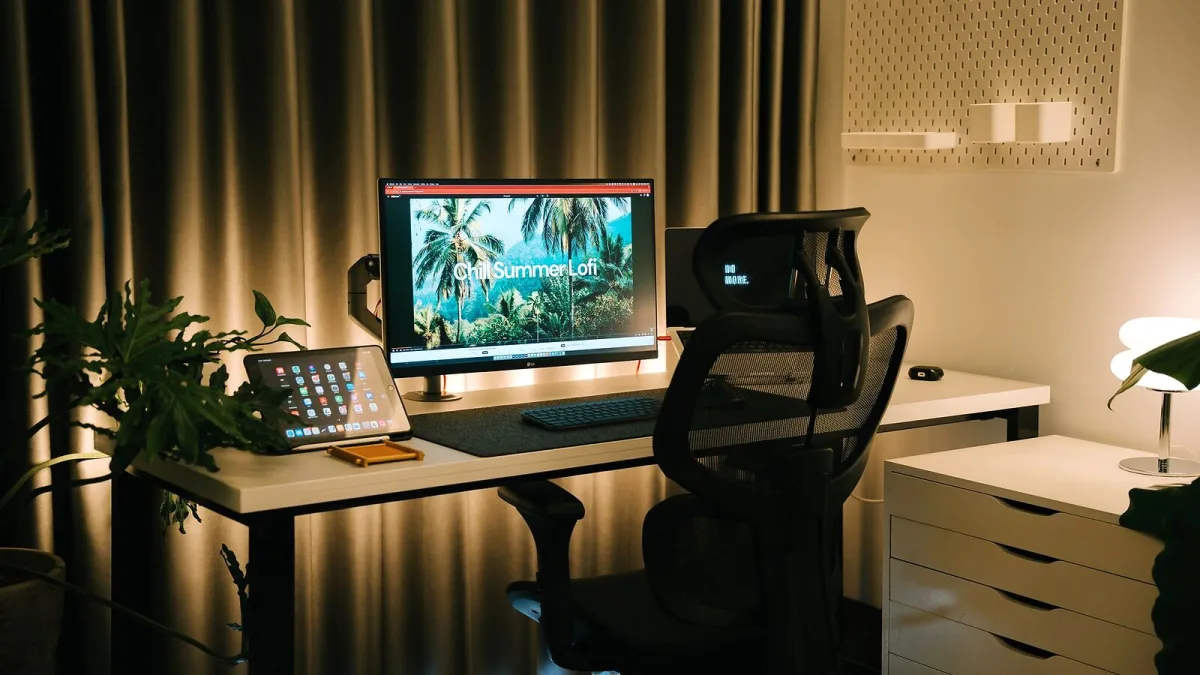
The adam audio t7v is a clear recommendation in its price bracket, but buying it involves deciding a few things beyond the model itself — where you will put it, how you will connect it, whether you need a pair or a single unit, and whether a single monitor is the right choice for your room and purpose. This guide covers the decisions you need to make before buying.
Do You Actually Need the T7V?
The adam audio t7v is a 7-inch monitor. The step below it in Adam's range is the T5V (5-inch) and the T8V sits above it. For bedroom production spaces under about 15 square metres, the T5V is often sufficient and more budget-friendly. The T7V's larger woofer provides more extended bass reproduction and greater maximum output, which matters in larger rooms and at higher monitoring levels. If your room is small and you monitor at low levels, the T5V may be the practical choice; if you have a larger space or want more dynamic range, the T7V is worth the additional cost.
Buying a Pair
Studio monitors are used in stereo pairs for mixing. If you are buying for music production or mixing purposes, you need two — left and right. Both monitors in a stereo pair should ideally be from the same purchase, which ensures they have come from the same production batch. Level matching between the two units is done with the gain controls on the rear panel of each monitor. A single T7V can be used as a mono reference or for video editing purposes, but for stereo mixing a pair is essential.
Room Considerations
The adam audio t7v's rear-firing port means that placement away from the rear wall is important. Close-to-wall placement causes bass buildup, which gives a misleading low-frequency picture in the mix. The monitor's rear-panel low-shelf control can compensate, but this is a workaround rather than a solution. If your room genuinely cannot accommodate a 50cm gap between the monitor and the rear wall, a front-ported or sealed cabinet monitor may be more practical.
Connection to Your Interface
The monitor accepts balanced XLR and unbalanced RCA inputs. If you have an audio interface with balanced XLR outputs, use XLR — it provides better noise rejection over cable runs. If you are connecting directly from a consumer device with unbalanced RCA outputs, the RCA input works cleanly over short distances. TRS-to-XLR adaptor cables are available if your interface has TRS outputs rather than XLR.
What to Expect at First
New studio monitors require a burn-in period of twenty to fifty hours before the drivers settle and the frequency response stabilises. During this period, the sound may be stiffer or less extended than it will be after full burn-in. Playing a variety of music at moderate levels for the first few days is the simplest approach. The ribbon tweeter on this adam audio t7v in particular benefits from burn-in — the high-frequency response opens up noticeably in the first weeks of use.
What the T7V Is Not
It is not a consumer speaker. It is not voiced for entertainment or for making music sound impressive — it is voiced for accuracy, which means it will reveal problems in mixes and recordings rather than flattering them. It is not wireless and has no Bluetooth. The high-frequency detail from the ribbon tweeter can make poorly recorded or compressed material sound harsh; this is the monitor doing its job, not a quality issue with the product.
For a full technical guide to how the monitor works, the ultimate guide covers every specification. For the setup process, the setup guide has step-by-step instructions. For those new to studio monitors, the beginner's guide explains what to expect.





Comments