

Monitor Stands roundup
Monitor Stands: A Complete Buyer's Guide
Choosing monitor stands involves height range, load capacity, isolation quality, and form factor. Here is what each variable means and how to select the right design for your setup.
Choosing monitor stands involves several variables that affect both acoustic performance and physical practicality. Height range, load capacity, isolation, and form factor each matter differently depending on the speaker size, room type, and available space.
Height Range
The most critical requirement is that the stands place the tweeter at ear height when seated. Measure the distance from the floor to seated ear height, subtract the distance from the speaker base to its tweeter, and the result is the required stand height. Most floor-standing designs are adjustable between approximately 80 and 120 cm. Desktop options raise speakers by a fixed amount, usually between 10 and 30 cm above the desk surface.
Load Capacity
Each stand has a rated weight limit. Larger studio monitors can weigh 10 kg or more per speaker. Select stands rated comfortably above the actual speaker weight — not at the limit. An overloaded stand is mechanically unstable and a safety risk in addition to performing poorly as an isolation platform.
Isolation and Decoupling
Stands vary significantly in how much they decouple speakers from the floor or desk. Basic designs rely on rubber feet, which provide minimal isolation. Mid-range designs include foam or rubber top pads. Dedicated isolation systems — IsoAcoustics, Primacoustic, and similar — use engineered foam or spring mechanisms to break the vibration path more effectively. Budget monitor stands often lack meaningful isolation; adding an aftermarket pad on top of a basic stand can significantly improve performance.
Desktop or Floor-Standing?
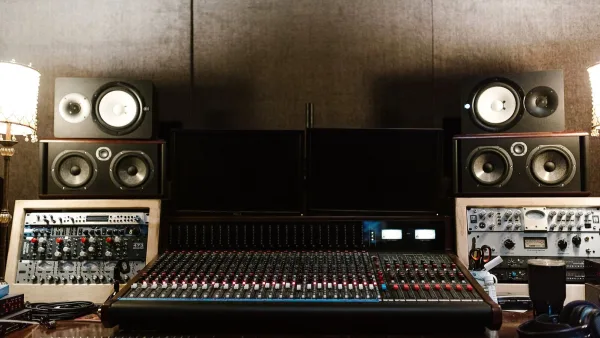
Desktop designs keep speakers on the desk, raise them to the correct height, and may tilt them toward the listening position. Floor-standing designs move speakers entirely off the desk and eliminate desk resonance as a factor. For rooms smaller than 15 square metres or setups where desk space is limited, desktop designs are more practical. For dedicated studio rooms, floor-standing designs are generally preferred.
Budget Tiers
Entry-level stands from brands such as K&M, Quiklok, and On-Stage provide functional support at low cost but limited isolation. Mid-range designs from Atacama, Soundrise, and IsoAcoustics integrate better isolation into the structure. At the top end, custom-built platforms and acoustic isolation products such as the IsoAcoustics GAIA series represent a significant investment for professional monitoring environments.
Related Guides
For an overview of what stands do and how they work, see the overview article. For product recommendations by price, see the best monitor stands for the money.




Comments