


Shure Sm58 roundup
The Best Shure Sm58s for the Money
Every genuine Shure SM58 sounds the same — so here's how to pick the right package for your budget instead of overpaying for extras you don't need.
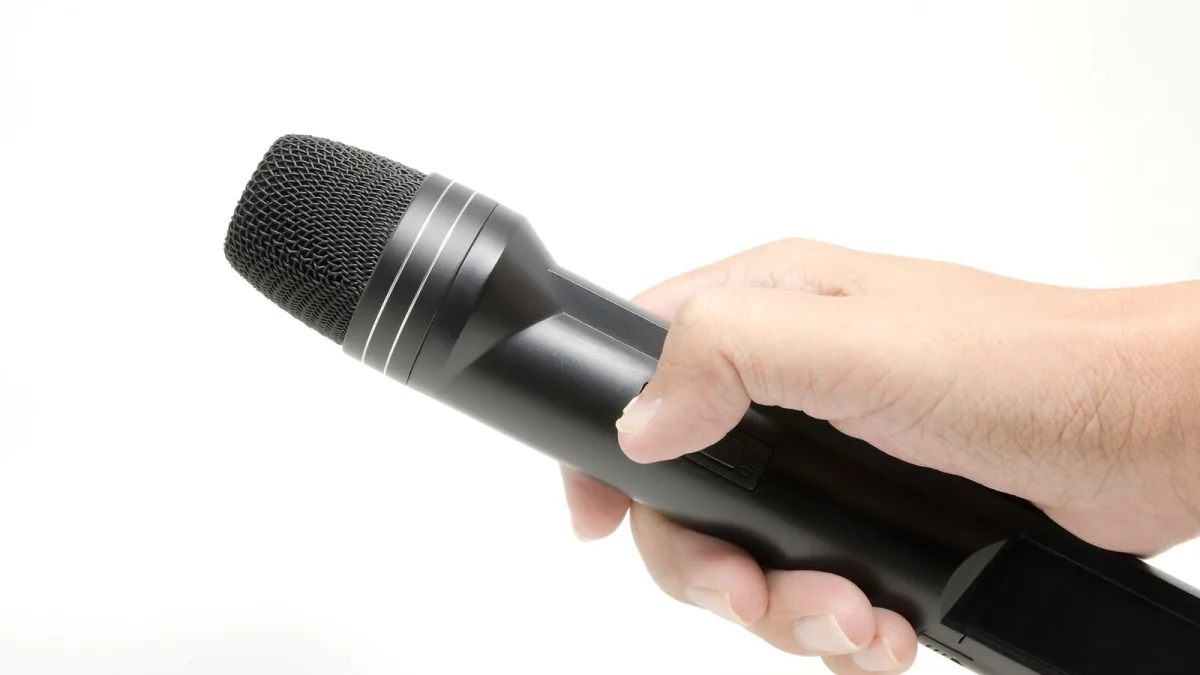
Here's a question I get asked more than you'd think: "which Shure SM58 should I buy?" It sounds like a trick question, because there's really only one microphone here — but the packages, price points and near-neighbours around it genuinely differ, and picking the right one for your budget and use case saves you either overpaying or missing something you needed. Let's go through the actual options.
The Thing to Understand First
Every genuine Shure SM58, regardless of price, uses the same capsule and produces the same sound. There's no "premium" tier of SM58 with better fidelity — the differences between listings come down to what's bundled in the box, not what's inside the microphone. So this isn't really a round-up of better and worse mics; it's a round-up of which package suits which buyer.
Best for Bare-Bones Value: SM58-LC
If you already own a decent XLR cable and just need the microphone, the standard SM58-LC is the sensible choice. You're not sacrificing anything sonically by skipping the bundled extras — you're simply not paying for a cable or a stand you don't need. This is the option I'd point a gigging musician towards if they're topping up spares for a kit bag.
Best for First-Timers: SM58-CN
New to microphones altogether? The CN package bundles the mic with an XLR cable, which removes one very common first-purchase mistake: buying a great microphone and then discovering you've got nothing to plug it into. It typically costs a little more than the bare LC, but that premium is just the price of the cable, not a "better" mic.
Best for Switch Control: SM58S
For spoken-word use, community halls, houses of worship or any handheld situation where you want to mute the mic yourself between segments, the SM58S adds an on/off switch to the body. Worth knowing: some touring engineers deliberately avoid switched mics on stage because the switch can be knocked accidentally mid-performance, so this one's really a "know your use case" pick rather than a universal upgrade.
Best Nearby Alternative If You Need More Isolation: Beta 58A
Sitting a tier above the standard SM58 in price is the Beta 58A, which trades the SM58's cardioid pattern for a tighter supercardioid one and uses a different capsule altogether. It's the pick for a louder stage where you need more aggressive rejection of monitor wedges and side-stage noise — though it does demand a bit more care with monitor placement, since the rejection zones sit differently.
Best Companion Purchases
Whichever Shure SM58 you land on, a few extras consistently pay off:
| Extra | Typical Price Tier | Worth It? |
|---|---|---|
| Boom mic stand | Budget | Essential — the SM58 doesn't include one |
| Quality XLR cable | Budget to mid-range | Worth spending a bit more here; a flaky cable ruins a good mic |
| Foam windscreen | Budget | Handy extra plosive control on top of the built-in grille |
What You're NOT Missing by Buying the Cheapest Genuine Option
- Sound quality — identical capsule across every legitimate package.
- Durability — the same rugged build regardless of bundle.
- Frequency response — Shure's spec of 50 Hz–15 kHz applies across the board.
The only thing a pricier bundle buys you is convenience — cable, switch or stand — so don't feel like the bare LC version is a compromise. It genuinely isn't.
How It Sits Against Cheaper Dynamic Mics
There's no shortage of budget dynamic microphones that look similar to a Shure on a shelf, and plenty perform perfectly well for casual use. What you're paying the SM58 premium for is consistency at scale: every unit off the line behaves the same, spare capsules and grilles are easy to source years down the line, and virtually every venue, hire company and touring engineer already knows how to work with one. For an occasional home use, a cheaper mic might do the job. For anything gigged regularly, that consistency tends to earn its keep.
When the SM58 Isn't the Best Pick
Being upfront here: if you're recording instruments rather than vocals, the flatter-grilled SM57 is usually the better tool for close-miking a snare or guitar amp. And if maximum studio detail on a quiet vocal is the goal, a condenser microphone will generally out-resolve any dynamic mic in this family. Our full Shure SM58 explainer covers where it excels and where it doesn't in more depth.
Still Deciding? Start Here
If you're weighing up suffixes and specs for the first time, our complete Shure SM58 buyer's guide is the more detailed companion piece to this round-up, and if it's your very first microphone purchase full stop, the beginner's guide covers getting set up once it arrives.
The Bottom Line
There isn't really a "best" Shure SM58 in sonic terms — there's only the package that best matches how you'll use it. Buy the bare LC if you've got a cable already, the CN if you haven't, the S if you specifically need a switch, and only step up to the Beta 58A if you genuinely need tighter rejection on a loud stage. Match the package to the job, not the other way round.



Comments