


Shure Microphone article
Everything You Need to Know About Shure Microphone
Shure has been a trusted name in audio since 1925. Here is a clear breakdown of the full range — from live dynamics to studio condensers.
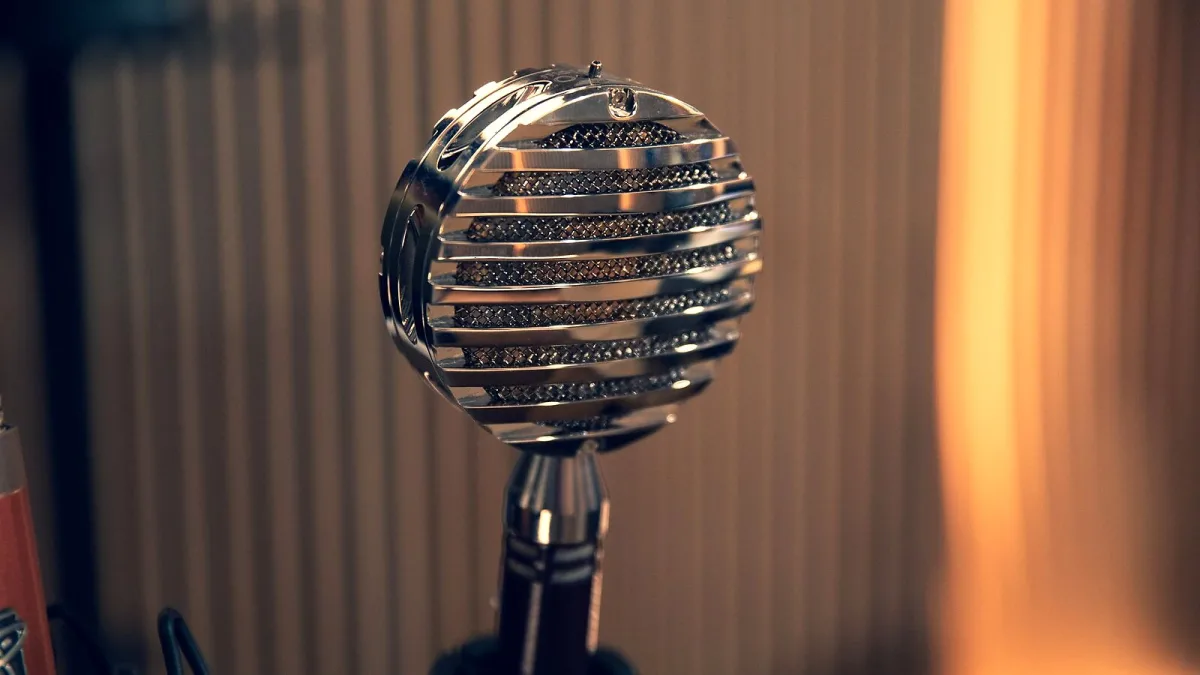
Shure has been making microphones since 1925, and the name carries genuine weight in every corner of the audio world — from club stages and broadcast studios to home recording setups and presidential podiums. Whether you are a sound engineer, a musician, a podcaster, or someone who just wants to understand what they are plugging in, this guide covers the essential facts about the Shure microphone range, how each family works, and what makes the brand so persistently trusted.
A Brief History of Shure
Sidney Shure founded the company in Chicago in 1925, initially selling radio parts by mail order. The move into microphone manufacturing came in the 1930s and the brand quickly established itself as a supplier to the broadcast and entertainment industries. By the 1960s, Shure's SM (Studio Microphone) range had become the default choice for live sound engineers across the United States — a reputation that spread internationally and has never really faded.
The company remains headquartered in the Chicago area and is still privately held. That independence has allowed it to take a long-term view on engineering rather than chasing quarterly product cycles, which partly explains why the SM57 and SM58 — both designed in the 1960s — remain current, in-production models today.
The Core Product Families
The SM Series
The SM series is Shure's flagship professional range and the one most audio professionals will have in their kit. The three most widely used models are:
- SM58. A cardioid dynamic microphone designed specifically for vocal performance. Its frequency response has a gentle presence boost centred around 5–10 kHz, which adds articulation and clarity to the human voice on a live stage. The SM58 is arguably the most recognisable live vocal mic Shure has ever made.
- SM57. A cardioid dynamic instrument microphone — flat enough in response to handle almost anything, robust enough to sit inside a kick drum or directly against a guitar cabinet. Widely used on presidential podiums and by studio engineers worldwide, the SM57 is one of the most-used designs in the brand's history.
- SM7B. A large-diaphragm dynamic microphone built for broadcast and studio work. Its extended frequency range and internal air suspension shock isolation make it the go-to choice for voice-over, podcasting, and close-miking vocals. The SM7B gained particular notoriety as the primary microphone on Michael Jackson's Thriller sessions.
The KSM Series
The KSM range covers Shure's condenser microphones, which require 48V phantom power from a preamp or audio interface. These are studio-focused instruments with a wider frequency response and greater sensitivity than dynamic models. The KSM32 is a popular large-diaphragm condenser used for overhead recording and lead vocals, while the KSM44A is a multi-pattern option suited to different recording setups.
The PGA Series
The PGA range is Shure's entry-level offering — more affordable than the SM line but built to a similar general standard. These instruments are a good entry point for home recording and rehearsal use, though seasoned engineers will notice the slightly narrower dynamic handling compared to the professional range.
The MV Series
The MV range covers Shure's USB and digital microphones, designed for direct connection to a computer without a separate audio interface. The MV7 — which is essentially a USB-capable version of the SM7B's design philosophy — has become very popular among podcasters and content creators who want a professional-quality sound without the complexity of a full analogue signal chain.
Dynamic vs Condenser: What the Range Covers
Understanding where dynamic and condenser models sit in the Shure lineup saves a lot of decision-making confusion. Dynamic microphones (SM58, SM57, SM7B) work without power, handle high sound pressure levels well, and are robust enough for live use. Condenser microphones (KSM series) are more sensitive, capture a wider frequency range, and need phantom power — they are better suited to controlled studio environments where their sensitivity is an advantage rather than a liability.
Both types appear at every price point in the range. The choice between them is not about quality but about application.
What Makes Shure Distinctive
Several characteristics set Shure apart from other microphone manufacturers of comparable standing:
- Durability. SM series dynamic models are legendary for their ability to take physical punishment. Drop tests, sweat, road vibration — these mics are built to survive working conditions that would compromise more delicate instruments.
- Consistency. A Shure microphone bought today will match the specification of the same model bought ten years ago. For live sound engineers who carry a bag of SM58s, that predictability is commercially significant.
- Support and availability. Shure's service infrastructure is extensive, with genuine replacement parts available for most SM series models. The capsule on a well-maintained SM58 can be replaced when it wears out rather than binning the whole body.
Cross-Linking: Planning Your Shure Setup
If you are trying to decide which Shure microphone suits your situation, the Shure Microphone Buyer's Guide goes deeper into specifications and how to match them to your use case. If you are new to microphones entirely, the Beginner's Guide to Shure Microphones explains the fundamentals without assuming prior knowledge.
The Bottom Line
The appeal of any Shure microphone comes down to a century of genuine engineering focus, a track record in the most demanding professional environments, and a consistency of quality that makes the brand a reliable default across recording, live sound, and broadcast. Whether you need a simple dynamic mic for vocals or a multi-pattern condenser for studio work, the range covers it — and the reputation is largely deserved.




Comments