


Sennheiser Microphone roundup
Sennheiser Microphone: A Complete Buyer's Guide
Work out the job first, the connection second, and only then compare models — here's how to actually buy the right one.
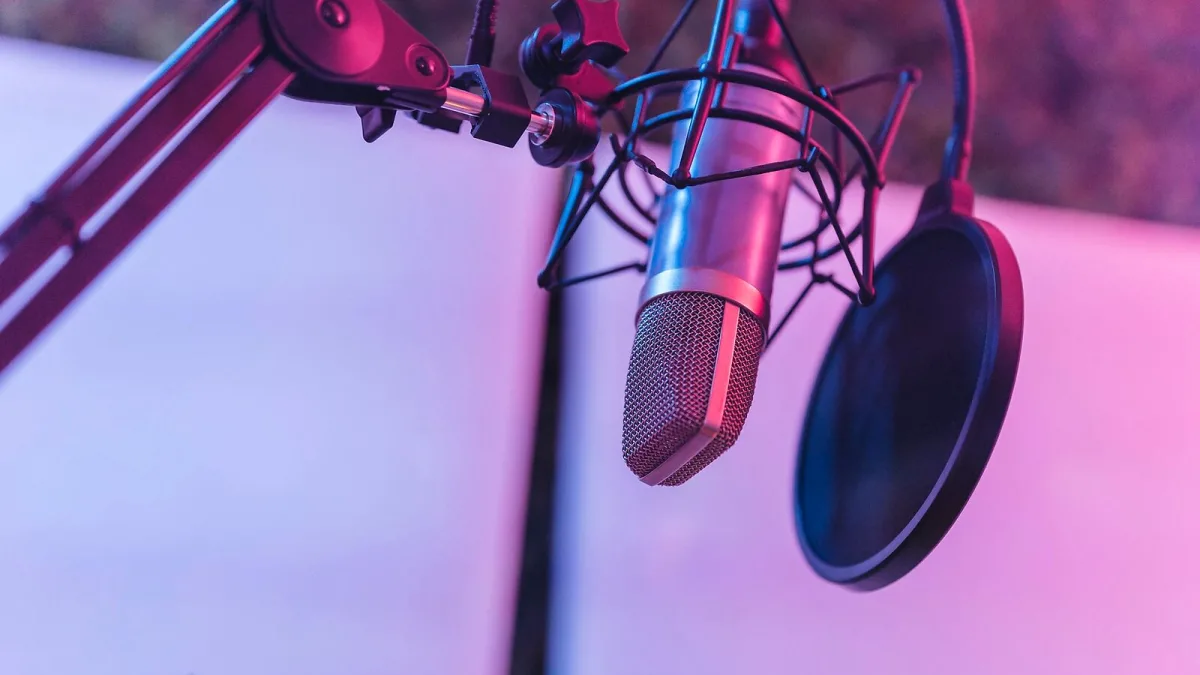
Right, let's cut through the model numbers. Buying a Sennheiser microphone means choosing between families built for genuinely different jobs, not just picking a price point and hoping. Here's how to work out what you actually need before you spend anything.
Step One: What Are You Actually Recording?
This decides almost everything else. Be honest about the real use case, not the ideal one:
- Live vocals on a loud stage — you want a rugged dynamic that rejects monitor spill.
- Studio vocals or acoustic instruments — you want a condenser that captures detail.
- Drums or a guitar amp — you want a dynamic built to handle high sound-pressure levels up close.
- Camera or location sound — you want a shotgun with a tight, directional pickup.
- Streaming or podcasting at a desk — you want a USB model that skips the interface entirely.
Dynamic or Condenser — The Buying Decision
Don't overthink this one when choosing your Sennheiser microphone. Dynamic microphones handle loud sources and rough handling without external power, which is exactly what a touring vocal mic or a drum mic needs. Condensers need P48 phantom power from your interface or mixer, but reward you with far more low-level detail — worth it for a studio vocal, not worth the extra complexity for a pub gig.
| Question | Points to dynamic | Points to condenser |
|---|---|---|
| Will it get knocked around? | Yes | No |
| Is the source very loud (amp, kick drum)? | Yes | No |
| Do you have phantom power available? | Doesn't matter | Required |
| Is capturing fine detail the priority? | No | Yes |
| Is it for a controlled, quiet room? | Not essential | Ideal |
Check the Connection Before Anything Else
Three options turn up across the range, and they're not interchangeable:
- XLR — the standard balanced connection, needs an interface, mixer or preamp. Most professional models, dynamic and condenser alike.
- USB-C — plugs straight into a computer or compatible device, no interface required, but far less flexible for multi-mic setups.
- Wireless — a transmitter-and-receiver system, the right call for stage performers who need to move, but adds frequency coordination and battery management to think about.
If you already own an interface with phantom power, an XLR Sennheiser microphone keeps your options open for future upgrades. If you're recording solo at a desk, USB removes a whole layer of hassle.
Reading the Spec Sheet Properly
A few numbers actually matter when comparing a Sennheiser microphone spec sheet, and the rest is largely marketing:
- Pickup pattern — cardioid for general use, supercardioid for extra rear rejection on loud stages, omnidirectional for room ambience, lobar for tight, directional shotgun work.
- Maximum SPL — how loud a source it can handle before distorting; important for kick drums and amps, less relevant for a vocal booth.
- Self-noise — lower is better, and it matters most on quiet sources like acoustic guitar or soft dialogue.
- Powering requirement — confirm your interface or mixer can actually supply phantom power before buying a condenser.
Manufacturer claims like "gain before feedback" figures are worth noting but treat them as a starting point rather than a guarantee — Sennheiser doesn't publish the exact test conditions behind them.
Matching a Model to the Task
| Task | Sensible starting point |
|---|---|
| General live vocal | e 835 (dynamic cardioid) |
| Lead vocal on a loud stage | e 945 (dynamic supercardioid) |
| Project-studio vocal or acoustic instrument | MK 4 (condenser) |
| Kick drum or low-frequency source | e 902 (dynamic) |
| Camera-mounted recording | MKE 600 (shotgun) |
| Desk-based streaming or podcasting | Profile (USB condenser) |
These are sensible defaults, not fixed rules — the right choice still depends on your voice, your room and how the source actually behaves. For the broader picture of how the range fits together, see our overview guide.
What's Worth Checking Before You Pay
Confirm the included accessories — a clip or shock mount, a pop filter or windscreen where relevant, and a case if you'll be transporting it. Check the cable or connector type matches your existing setup, and if buying a condenser, double-check your interface's phantom power actually works before you're relying on it at a session.
Bottom Line
Work out the job first, the connection second, and only then compare specific Sennheiser microphone models. If you're completely new to this, our beginner's guide is a gentler starting point, and common mistakes to avoid is worth a read before you commit to a purchase.




Comments