


Rode Microphone roundup
Rode Microphone: A Complete Buyer's Guide
Rode makes a lot of products and the range can be bewildering. Katie cuts through the options and explains what to spend your money on.
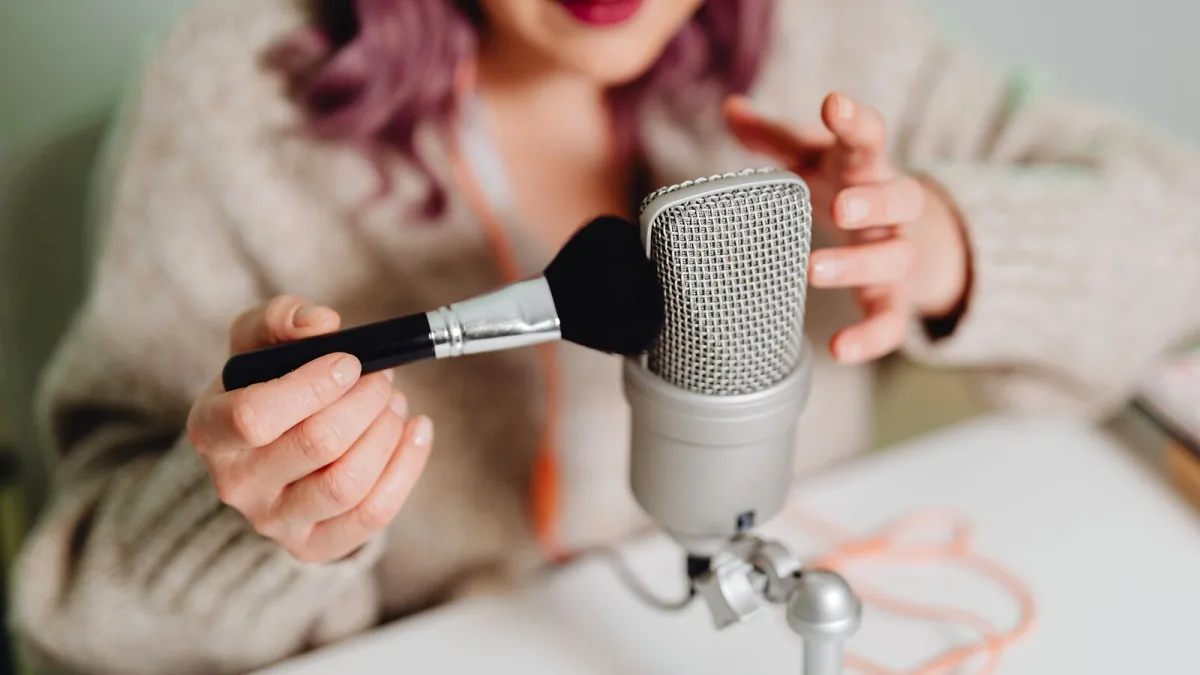
Rode makes a lot of products, and the range can be bewildering if you are new to recording. The honest truth is that most people need one of a handful of models, and the decision is mostly about what you are recording and how you are connecting it. Katie cuts through the options and explains what to spend your money on.
First Question: XLR or USB?
Before choosing a specific Rode microphone, decide whether you want an XLR or USB model. An XLR Rode microphone requires an audio interface (adds £80–200 to the budget but gives better results long term). A USB model connects directly to your computer — simpler, cheaper overall, and perfectly capable for podcasting and voice work. If you plan to expand your setup with additional microphones or instruments, XLR is the better investment. If you want the simplest possible route to recording your voice, USB is fine.
Best USB Option: NT-USB or Podcaster
The NT-USB Mini (around £100) is the most practical USB option for most home users — compact, sounds excellent for voice, and includes a built-in headphone output. The original NT-USB (£170) has a wider cardioid pickup and suits both voice and acoustic instruments. The Podcaster (£230) is a large-diaphragm dynamic USB microphone designed for broadcast-style delivery — more forgiving of room noise, which matters in untreated spaces.
Best Rode Microphone for the Studio: NT1
The NT1 is the most frequently recommended Rode microphone for home studio recording. Its exceptionally low self-noise (4 dB-A), large-diaphragm capsule and natural, transparent character make it suitable for vocals, acoustic instruments and voiceover work. Priced around £180–220, it represents outstanding value for what it delivers. The NT1-A (the older version, still available new and secondhand) has a slightly warmer, more characterful sound and remains a strong choice if you prefer that quality.
Small-Diaphragm Condensers: NT5
For acoustic instruments — acoustic guitar, piano, strings — a small-diaphragm condenser like the NT5 gives sharper transient response and tighter imaging than a large-diaphragm model. The NT5 (around £200 each, often sold as a matched pair for £350–400) is a strong studio choice for anything that rewards precision. It is not the first purchase for most home recordists, but if you regularly record acoustic guitar or other stringed instruments in a decent space, it is a worthwhile addition.
On-Camera and Video: VideoMic Range
The VideoMic series is the right recommendation for content creators who need a Rode microphone for video production rather than studio recording. The VideoMic GO II (£75–90) runs without batteries (powered from the camera or USB-C) and delivers a significant improvement over the built-in camera microphone. The VideoMic NTG (£200) is a more versatile option that works both on-camera and as a desktop USB microphone. For vlogging and YouTube content, these are purpose-built and well-matched to the task.
What to Avoid
Avoid the cheapest third-party alternatives marketed as Rode-compatible. A counterfeit microphone (a growing problem in the brand's price range) will not deliver the quality of a genuine product, and Rode does not service instruments it cannot authenticate. Register your Rode microphone on the Rode website after purchase — this extends the warranty from one to ten years. Buy from an authorised retailer — in the UK, this includes Gear4Music, Thomann, Andertons and the Rode online store direct. The full explainer covers what separates the types in more technical detail. New to recording? Start with the beginner's guide.




Comments