

Drum Microphone roundup
Drum Microphone: A Complete Buyer's Guide
A buyer's guide to the drum microphone: kick drum, snare, tom and overhead positions, recommended models at each position and complete drum kit packages reviewed.
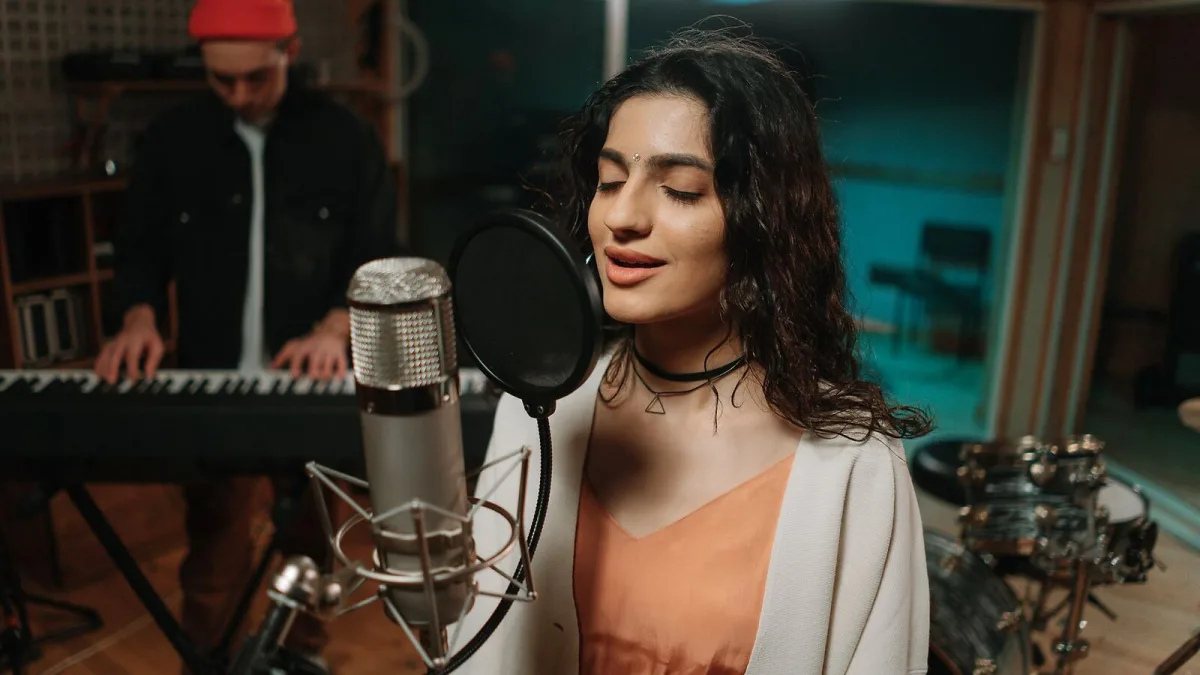
Choosing a drum microphone setup requires matching microphone types to specific positions on the kit, understanding SPL requirements and deciding between a complete drum kit package or individual selections. This guide covers the key factors at each price point.
Kick Drum Microphones
The kick drum requires a microphone with high SPL handling — typically 155 dB or above — and a frequency response that captures the low-end weight and attack transient. The Shure Beta 52A, AKG D112 and Audix D6 are the most widely recommended options. The Beta 52A is the standard choice in many professional studios; the Audix D6 is preferred by engineers who want a more scooped, punchy sound with emphasised attack. Both are dynamic cardioid microphones positioned inside or just outside the kick drum port.
Snare and Tom Microphones
For snare and toms, a small-diaphragm dynamic microphone positioned at the drum rim is standard. The Shure SM57 is the most widely used snare mic in the world, valued for its reliability, consistency and musical character on snare drums. Sennheiser's e604 and Audix i5 are popular alternatives. These are robust, inexpensive and easy to position. The same model is often used across all toms, simplifying the setup and providing a consistent sound across the kit.
Overhead Microphones
Overhead positions require condenser microphones for their wide frequency response and accurate cymbal reproduction. A pair of small-diaphragm condensers — Rode M5s, AKG C430s, or similar — is the standard choice for project and professional studios. Large-diaphragm condensers are used for a warmer, more enveloping overhead sound. The choice of overhead mic has a significant influence on the overall character of the recorded kit.
Complete Drum Microphone Kits
For those buying a complete setup, the Shure PGA Drum Kit, AKG Drum Set Premium, Audix DP7 and Sennheiser e600 series kits are the most recommended options. Each includes dedicated kick, snare, tom and overhead microphones at matched quality levels. These kits reduce the complexity of individual selection and ensure compatibility between components. The Audix DP7 is consistently recommended for professional use; the Shure kit offers excellent value at a lower price point.
Budget Considerations
A complete entry-level drum microphone kit starts at around £100–150 and provides adequate results for home recording. Mid-range kits in the £300–500 range offer significant quality improvements, particularly in the overheads. A professional-level set of individual mics for a full five-piece kit can cost £500–1500 or more. The kick and snare mics have the greatest influence on the recorded sound; investing in quality there before upgrading overheads is a common and sensible approach.
For a full technical overview, see the complete guide. For beginners, see the beginner's guide.




Comments