


Focusrite Scarlett 2i2 roundup
Focusrite Scarlett 2i2: A Complete Buyer's Guide
A practical look at which generation, bundle and price point actually suits your recording, and when to look elsewhere.
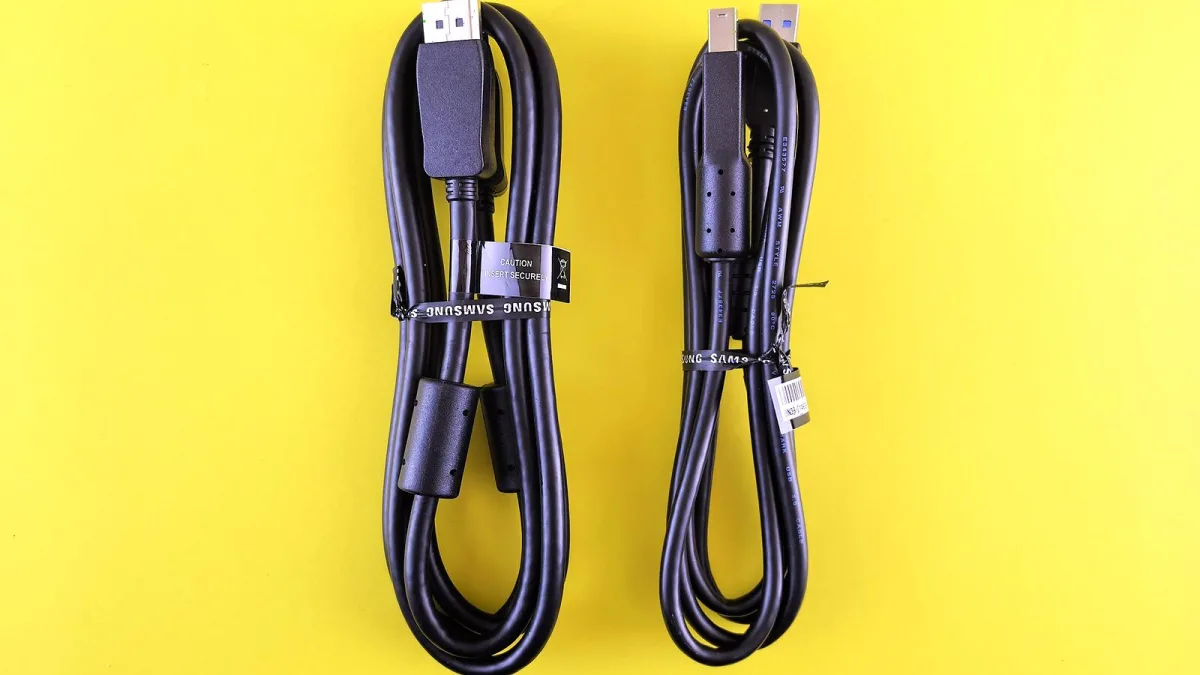
Buying an audio interface should be simple, but the Focusrite Scarlett 2i2 comes in four generations, several bundles and a wide range of secondhand prices, which makes it easy to overpay or buy the wrong version. Here’s what actually matters before you hand over any money, and what you can safely ignore.
Start With What You’ll Actually Record
Before comparing specs, be honest about what you’re recording. A vocalist and an acoustic guitar need one microphone input and one instrument input — exactly what the Scarlett 2i2 offers. A podcaster interviewing one guest needs two microphone inputs with independent gain, which it also covers well.
If your list includes a full band, a multi-mic’d drum kit, or MIDI keyboards that need dedicated MIDI in/out, two inputs will feel tight almost immediately. That’s a sign to look at Focusrite’s own Scarlett 4i4 instead of this model, however good the price looks.
Specs Worth Checking Before You Buy
Not every spec matters equally. These are the ones worth your attention on any listing:
| Spec | Why it matters |
|---|---|
| Generation (1st–4th) | Determines gain range, connector type and included software |
| Connector type | USB-C on 3rd/4th Gen; older USB-B/Micro-USB on earlier units |
| Gain range | Up to 69dB on 3rd/4th Gen — check if a listing quotes less |
| Auto Gain / Clip Safe | 4th Generation only |
| Included software | Bundles vary by retailer and date of purchase |
A used listing that simply says “Scarlett 2i2” with no generation named is a red flag. Ask the seller directly, or ask for a photo of the rear panel and connector, before you commit.
New, Secondhand, or a Different Generation?
A new 4th Generation unit gives you Auto Gain, Clip Safe and the strongest converter specification Focusrite has put in this model. That matters most if you’ll be recording unsupervised — a solo podcaster or a musician recording their own vocal take with no one else in the room.
A secondhand 3rd Generation unit is a reasonable way to save money if you’re confident setting gain manually. You lose the automated safety net but keep the same core preamps, Air mode and USB-C connector. Earlier 1st and 2nd Generation units are cheaper still, but check the connector type and confirm the seller can show it working, since they lack the newer gain-management features entirely.
If you want the fuller picture of what changed between generations and why, our overview article covers the history in more depth than we need here.
Bundles: What’s Actually Included
Focusrite and retailers periodically sell “Studio” bundles that pair the interface with a microphone, headphones and software licences. These can be genuinely good value if you need all three items anyway, but they’re a poor deal if you already own decent headphones or a microphone — you’ll be paying for gear you won’t use.
- Check whether the bundled microphone suits what you actually record; a basic condenser bundled for vocals isn’t automatically right for podcasting or loud amplifiers.
- Software licence keys are usually tied to the original purchaser's account, so a secondhand bundle may not include usable software at all.
- Compare the bundle price against buying the interface alone plus your own choice of microphone; the saving isn’t always as large as it looks.
When Two Inputs Won’t Be Enough
It’s worth confirming this before you buy, not after. If you expect to grow into recording a full band, multiple drum microphones, or you need dedicated MIDI ports, the Scarlett 2i2 will need replacing sooner than you’d like. Buying the larger 4i4 now, if it fits your budget, can be cheaper in the long run than buying twice.
For everyone else — a solo artist, a duo, a podcaster, a home producer tracking one source at a time — two inputs is a genuinely durable choice, not a compromise.
A Quick Buying Checklist
- Confirm the generation and connector type before paying, especially secondhand.
- Decide whether Auto Gain and Clip Safe are worth paying extra for, or whether you're happy setting gain manually.
- Check a bundle's contents against what you already own.
- Confirm you have a spare USB-C port, or budget for an adapter.
- If two inputs might not be enough within a year, price the 4i4 for comparison.
Once you own one, our guide to common Scarlett 2i2 mistakes is worth reading before your first session, and a nervous first-timer will get more out of our beginner's guide than a spec sheet.
The Bottom Line
Buying one comes down to two decisions: which generation suits your budget and confidence level, and whether a bundle genuinely saves you money once you account for gear you already own. Get those two right and the interface itself will serve you well for years. For a straight look at which option gives the best value right now, see our best-value roundup.




Comments