


Vocoder roundup
Vocoder: A Complete Buyer's Guide
Hardware, software or a dedicated keyboard? Here's how to work out which type of vocoder actually suits how you make music, before you spend a penny.
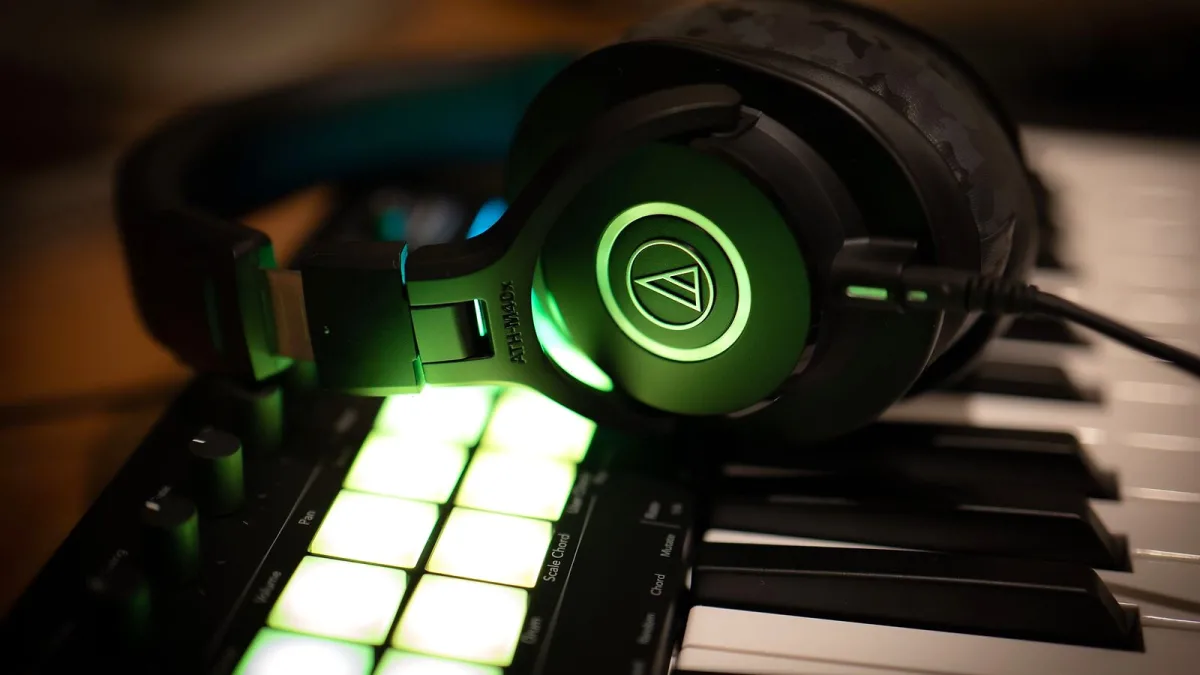
Buying your first vocoder can feel like a bit of a maze, mostly because the word covers such different products — a hardware keyboard, a software plug-in, a compact pedal. The good news is that once you know what you actually want to do with it, the choice gets a lot simpler. Here is what to think about before you spend anything.
Start With What You Actually Want to Do
This is the question that decides everything else, so it is worth answering honestly.
- Studio production — you mostly want automation, recall and the ability to tweak a patch across a whole session. A plug-in fits best here.
- Live performance — you want something you can operate with your hands while singing, with no laptop in sight. Look at a dedicated vocoder keyboard or a pedal.
- Songwriting on a budget — you want to learn the concept without spending anything yet. A free tool such as Audacity's built-in vocoder is a genuinely good place to start.
If you are still not sure what a vocoder even does day to day, our plain-English explainer is worth reading first — it covers the carrier and modulator idea without any of the buying pressure.
Hardware, Software or a Vocoder Keyboard?
| Format | What you get | Watch out for |
|---|---|---|
| Software plug-in | Full recall, automation, and easy routing to any synth in your DAW | You need a computer and a working DAW session every time |
| Vocoder keyboard/synth | Microphone input and carrier built into one instrument, ready to play | Less flexible if you want an unusual carrier sound later |
| Effects pedal | Simple, tactile, works with an instrument amp on stage | Fewer bands and less detailed control than studio gear, historically |
None of these is objectively “better”. A gigging singer and a bedroom producer will happily land on completely different answers, and both will be right for their own situation.
The Specs That Actually Matter
Marketing copy loves to throw numbers at you. Here is which ones are worth your attention.
- Band count. A higher band count generally means clearer, more detailed articulation; a lower count leans more vintage and obviously synthetic. Neither is wrong — it depends on the sound you're chasing.
- Carrier flexibility. Can you feed it any synth or sample, or is the carrier fixed and built-in? A fixed carrier is simpler; an open carrier input is more versatile.
- MIDI input. If you want to play chords under your voice, you need a way to trigger the carrier's pitch — usually a MIDI keyboard input.
- Noise or consonant control. A dedicated noise mix control makes spoken consonants ("s", "f", "t") far more intelligible.
- Dry/wet blend. Being able to mix a little untreated voice back in is genuinely useful, not a gimmick.
Software or Hardware Vocoder: Which Costs More Over Time?
It is worth thinking beyond the initial spend. Software such as Arturia's Vocoder V, or the equivalent built into Steinberg's Cubase and Nuendo, lives inside your existing DAW licence, so there is nothing extra to maintain. Hardware — a keyboard like those made by Korg, Roland or Yamaha, or a pedal in the style of Electro-Harmonix's classic units — is a one-off purchase but needs looking after physically, and repairs or replacement parts are your problem down the line.
Questions Worth Asking Before You Commit
- Will I actually plug a microphone straight into this, or route audio from a DAW?
- Do I need to play chords under my voice, and if so, does this option accept MIDI?
- Am I buying this for one project, or do I want to keep using it for years?
- Can I try a demo or a free trial version before deciding?
- Does it fit the rest of my setup — my DAW, my interface, my stage rig?
Try Before You Buy
Most software vocoders offer a demo period, and Audacity's version is free and open, so there is rarely a good reason to commit money before you have actually heard the effect responding to your own voice. Spend twenty minutes with a free option first; it will tell you far more about what you want than another spec sheet will.
Once You've Bought One
Picking the right unit is only half the job — getting a good sound out of it is the other half. If you are just starting out, our beginner's guide walks through your first patch step by step. For a shortlist grouped by budget and use case, see the best vocoders for the money, and once you're up and running, our piece on common mistakes to avoid will save you some trial and error.





Comments