


Player Piano article
Player Piano for Beginners: A Complete Guide
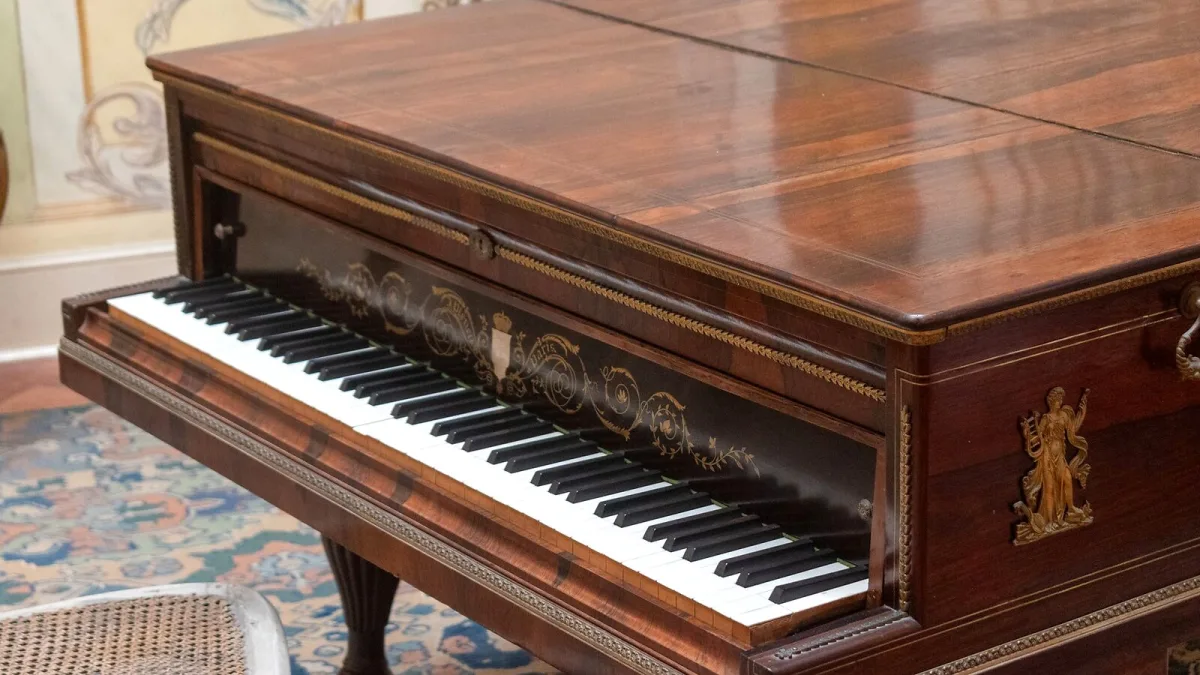
A player piano is one of those instruments that can feel magical the moment you first see it perform — keys moving by themselves, pedals dipping, the whole room filling with music that nobody is visibly playing. But for a beginner, it is also a surprisingly practical tool, and understanding what it actually is will help you make far better use of it.
What You Are Actually Working With
The most important thing to grasp early is that a player piano is a real acoustic piano first. It has strings, hammers, a soundboard and all the tonal complexity that comes with them. The automated mechanism sits alongside the piano action, operating the same keys you would press yourself. This means everything you learn about touch, tone and technique on this instrument transfers directly to any other acoustic piano — and it means the instrument responds to your playing in all the same ways a conventional piano does.
Manual Playing Comes First
Use the automated playback as a resource, not a replacement for your own practice. Many beginners make the mistake of treating the instrument as an entertainment device and neglecting the manual keyboard entirely. The keys, action and pedals are there to be played; the more time you spend at them, the more you will develop the finger strength, coordination and ear training that actual piano playing requires.
Start with the basics: hand position, sitting posture, reading simple notation, recognising notes on the keyboard. A good beginner method book works exactly as well on this instrument as on any other upright or grand. The automation does not change what the action needs from you.
Using Playback to Learn
Where the player piano genuinely helps beginners is in making the learning process more vivid. If your instrument has a recording function, play a passage and then listen back. Hearing your own performance reproduced through the piano's own mechanism is startlingly clear — timing inconsistencies, uneven dynamics and hesitations become very obvious, and that honesty is genuinely useful.
If your model supports MIDI or app connectivity, many systems allow you to slow recordings down for careful listening or display note timing on a screen. These tools can supplement focused listening but should not replace it: the ear is still the most important instrument in the room.
Getting to Know the Automated Features
Spend time learning what your specific model can do before relying on it. Self-playing systems differ considerably in the music libraries they offer, the file formats they accept, how they handle tempo adjustment and whether they support MIDI playback from external sources. Read the manual — not all at once, but chapter by chapter as each feature becomes relevant to what you are practising.
For a list of the types available and a clear explanation of how each system works, start with the overview article. When you are ready to think about your next instrument, the buyer's guide covers what to look for. It is also worth reading the common mistakes article before you develop habits that will take longer to correct later.
Maintenance You Should Know About
Even as a beginner, it helps to understand that your instrument has two sets of maintenance needs. The acoustic piano side requires regular tuning — at least twice a year for most home instruments — and occasional regulation. The automated system has its own requirements: electronic models need firmware kept current and sensors checked periodically, while older pneumatic models require specialist servicing for leaks and worn components.
Keep the instrument away from direct sunlight, radiators and sources of moisture. Close the lid when not in use. If keys start to feel uneven, or if playback sounds different than it did when the instrument was new, have a technician assess both the piano action and the player mechanism before small issues become larger ones.





Comments