


Electric Piano article
Electric Piano for Beginners: A Complete Guide
Learning piano on an electric instrument is a practical, rewarding choice. Here's a clear and encouraging guide to getting started on the right foot — from buying through to your first weeks of practice.
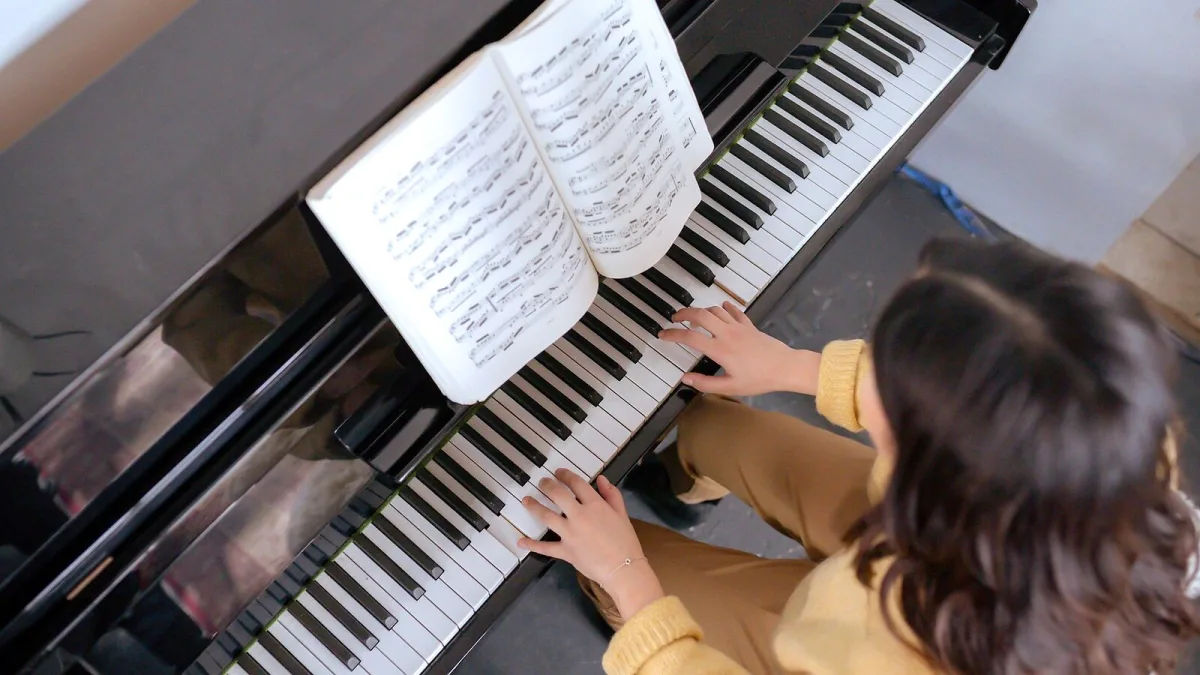
Starting to learn piano is one of the most rewarding decisions you can make as an adult or as a parent. An electric piano makes that beginning more accessible: no tuning, no moving costs, no acoustic compromise with the neighbours. But it also comes with a set of decisions that can feel a little overwhelming at first. Let's take them one at a time.
Why an Electric Piano Is a Good Starting Point
An acoustic piano is a wonderful instrument, but it's also expensive, heavy, requires professional tuning several times a year, and is almost impossible to practise on quietly. For a beginner, a digital instrument removes all of these barriers. You can practise through headphones at midnight. You can record yourself with a cable into a laptop. And if you later decide piano isn't for you, the resale is straightforward.
The important thing is to choose an instrument with the right key action from the start. Technique learned on poor action doesn't transfer well. A little patience at the buying stage saves a lot of frustration later.
The Most Important Thing: Weighted Keys
Here's what every piano teacher will tell you: the key action matters more than anything else on your first electric piano. Acoustic pianos use a mechanism of hammers, levers and dampers that gives each key real physical weight and resistance. Playing a key on a "toy" keyboard with unweighted, spring-loaded keys develops quite different muscles and habits.
Look specifically for weighted keys as a minimum — keys with physical weights inside them. Better still, look for graded hammer action, which is heavier in the bass and lighter in the treble, matching an acoustic piano. This is the single feature that will most affect how your playing develops.
How Many Keys Do You Need?
A full acoustic piano has 88 keys. For a beginner, you will not need all of them immediately. But as you progress, the pieces you'll want to play often use the outer ranges. For a child or adult who intends to stick with the instrument, 88 keys is the right starting point. A 61-key or 73-key keyboard is a reasonable compromise only if cost or space is genuinely prohibitive.
Setting Up Your Practice Space
Where you put your electric piano matters more than you might expect:
- Bench height. Your forearms should be roughly parallel to the floor when your hands are on the keys. An adjustable bench is worth the modest extra cost.
- Pedal position. The sustain pedal should sit directly under your right foot when you're seated properly. Some entry-level instruments include a basic sustain pedal; if yours doesn't feel natural, a slightly heavier aftermarket pedal is a cheap upgrade.
- Lighting. Good lighting on the keys, not shining in your eyes. This sounds obvious, but bad lighting causes bad posture as you lean in to see better.
- Speaker height. If you're using built-in speakers, try to position the instrument so the speakers face you at chest or face height. A stand that's too low will muffle the sound into the floor.
Your First Weeks: A Gentle Guide
- Learn where Middle C is. It's the landmark everything else is measured from. On a full 88-key instrument, it's the C just to the left of centre.
- Find a structured lesson path. Whether that's a teacher, an app like Flowkey or Simply Piano, or a book series like the ABRSM or Alfred method books — choose something and stick to it. Random YouTube videos are supplementary, not a curriculum.
- Use the sustain pedal carefully at first. Many beginners step on it constantly and blur everything. Learn to play cleanly without it before adding pedal to your playing.
- Practise slowly. Every piece should be learned at a tempo where you make no mistakes. Practising mistakes is far easier than unlearning them.
- Record yourself. Even a phone recording will reveal things about your playing that you can't hear while you're performing. Listen back and be honest.
Using the Electric Piano's Digital Features
Your instrument will almost certainly have features beyond just playing notes: a metronome, recording capability, perhaps dozens of extra voices and accompaniment patterns. For a beginner, most of these can wait. A metronome is the one exception — use it from day one to build rhythmic precision. Everything else is there when you're ready for it.
The Bottom Line
Starting to learn on an electric piano is a practical, sensible choice, and with the right instrument and a consistent practice habit, progress comes more quickly than most beginners expect. Get the key action right, find a structured method, and give yourself permission to start slowly. For guidance on choosing the right model, see the complete buyer's guide. For a fuller understanding of the different types of instrument available, the electric piano overview covers the whole family.





Comments