


Casio Digital Piano article
Casio Digital Piano Explained: Features, Types and Tips
Privia, Celviano, AiR sound engine, Smart Scaled Hammer Action — here is everything you need to understand the Casio digital piano range.
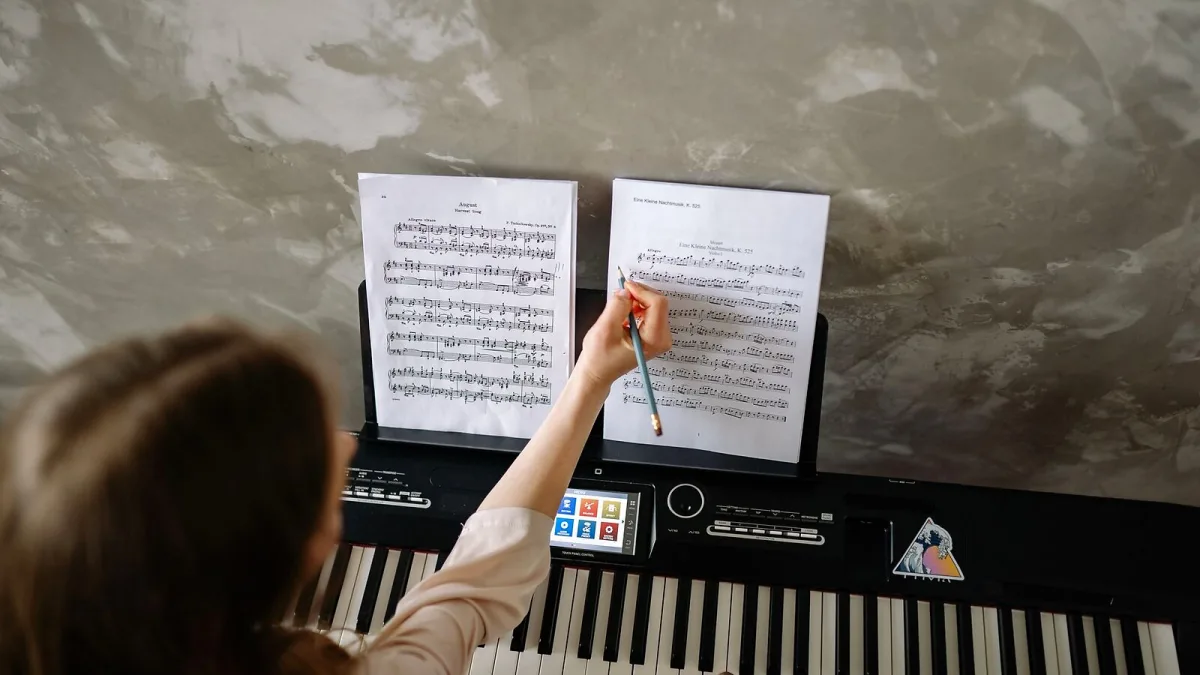
Casio has been making digital pianos for decades, and their current range sits comfortably at the accessible end of the market without sacrificing the features that matter most to pianists. Whether you're buying a first instrument for a young learner or looking for a reliable second piano for a spare room, a Casio digital piano represents one of the most consistent balances of price and capability available.
The Core Product Lines
Casio organises their keyboard and piano range across several distinct lines. The Privia (PX) series targets learners and intermediate players with a focus on realistic touch and sound quality within a slim, portable format. The Celviano (AP) series is the furniture-style line — full-size upright designs with wooden keys on the higher-end models, intended for home use where appearance and feel matter alongside audio quality.
The CT and CDP series sit below the Privia in terms of piano-specific authenticity and are better understood as digital keyboards — broader feature sets, lighter touch and a wider range of sounds and rhythms aimed at hobbyists and beginners who want more than just piano sounds.
Key Features to Understand
The most important feature in any digital piano is the keyboard action — the physical feel of pressing the keys. Entry-level Casio models typically use a basic weighted or semi-weighted action with a consistent feel across the keyboard. The better Privia models use Casio's Smart Scaled Hammer Action keyboard (SSHK), which varies the resistance so that lower register keys feel heavier than upper register ones, matching the behaviour of an acoustic piano.
Sound generation on a Casio digital piano uses multi-layer samples taken from acoustic grand pianos. The Privia line uses Casio's AiR (Acoustic and Intelligent Resonance) sound engine, which adds resonance simulations — the sympathetic vibration of strings not directly played, the damper resonance when the sustain pedal is pressed. These details contribute to the sense of playing a real instrument rather than a sample player.
Connectivity and Practice Features
All current Casio digital pianos include a headphone output, allowing silent practice — one of the most practical advantages over acoustic instruments for home use. USB-MIDI connectivity is standard on most models, allowing the piano to connect to a computer or tablet for use with music software, recording applications or educational apps like Simply Piano.
Built-in metronomes and lesson functions vary by model. The Privia series typically includes a two-track recorder for recording and playing back performances, which is useful for self-assessment. Higher Celviano models add features like duet mode (splitting the keyboard into two equal ranges at the same pitch) and more sophisticated lesson software.
Acoustic Versus Digital: What Casio Offers
A Casio digital piano cannot replicate every aspect of an acoustic instrument — the resonance of a wooden cabinet, the feel of genuine hammers against strings, the way sound develops in a large acoustic space. What it does offer is consistent tuning (no maintenance required), volume control, headphone practice capability, a compact footprint and a fixed price. For learners, beginners and home players who are not pursuing acoustic performance as a primary goal, these practical advantages matter significantly.
For buying guidance and model comparisons, see our buyer's guide. For getting started once you have one, see our beginner's guide.





Comments