


String Instruments Viola roundup
The Best String Instruments Violas for the Money
A good viola setup matters more than an impressive instrument at the student level. This guide explains where value genuinely lies across the three main price tiers.
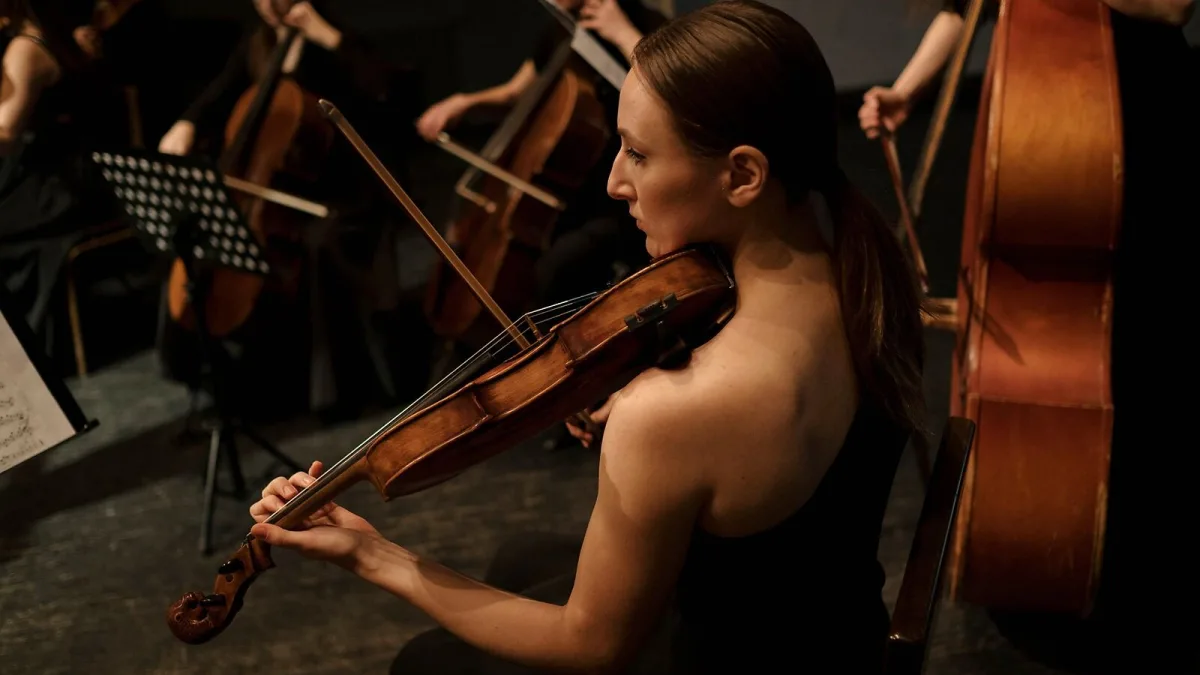
The viola market covers an enormous price range — from basic student outfits to instruments that cost more than a house. Making sense of value at each tier requires understanding what the money buys and, importantly, what it does not. Here is an honest account of where the best value sits across the main categories.
Student Level: Under £600
At the student level, the priority for a string instruments viola should be a correct and professional setup rather than an impressive instrument. A modestly constructed viola with a well-fitted bridge, properly positioned soundpost and good string clearance will play considerably better than a theoretically superior instrument left in factory condition. Makers such as Eastman and Yamaha produce student outfits that represent reliable entry-level value when the setup is checked on arrival.
The practical recommendation at this level: buy from a supplier that sets up the instrument before dispatch, or have a local luthier check and adjust it. The setup cost is modest and the improvement in playability is substantial.
Intermediate: £600 to £2,500
At intermediate level, the instrument itself begins to carry more weight in the value calculation. Better tonewoods — properly seasoned spruce and maple — contribute more audibly to projection and tonal balance. Workshop instruments at this level typically use more careful graduation, better-fitted internal components and a more complete setup from the maker. String manufacturers such as Pirastro and Thomastik-Infeld supply string sets that complement instruments at this tier.
The intermediate string instruments viola is where many adult amateur players and conservatoire students spend most of their playing careers. It offers enough instrument quality to develop tone and technique properly without the financial risk of a professional purchase.
Professional: £2,500 and Above
At professional level, the instrument's individual character — the result of the maker's choices in wood selection, arching, plate thickness and varnish — becomes the central consideration. Hand-made workshop and individually crafted instruments in this category are built for players who can already hear what a well-made viola does differently. Historic instruments by makers such as Vuillaume or Stradivari reach values far beyond practical discussion; contemporary luthiers offer new professional instruments that can be assessed and selected in person.
At this level, a bow of comparable quality matters as much as the instrument. A professional viola played with a poor bow does not achieve its potential.
The Bow: Often Undervalued
Across all tiers, the bow is frequently underspent relative to the instrument. A good viola bow — pernambuco or contemporary composite, correctly weighted and balanced — contributes as much to the quality of sound production as the instrument. At the student level, upgrading the bow before upgrading the instrument is often a more cost-effective improvement.
Renting at the Student Level
For students who are uncertain about their final size or whose commitment to the instrument is not yet confirmed, renting a properly set-up student instrument removes financial risk while establishing the right size. For more on what to assess when buying at any level, the buyer's guide covers the key verification points. The full overview explains the instrument's construction and characteristics in depth.





Comments