


Stentor roundup
Stentor: A Complete Buyer's Guide
Choosing a first violin or cello shouldn't be guesswork. Here's the buyer's route through the Stentor range — level, size, materials and setup.
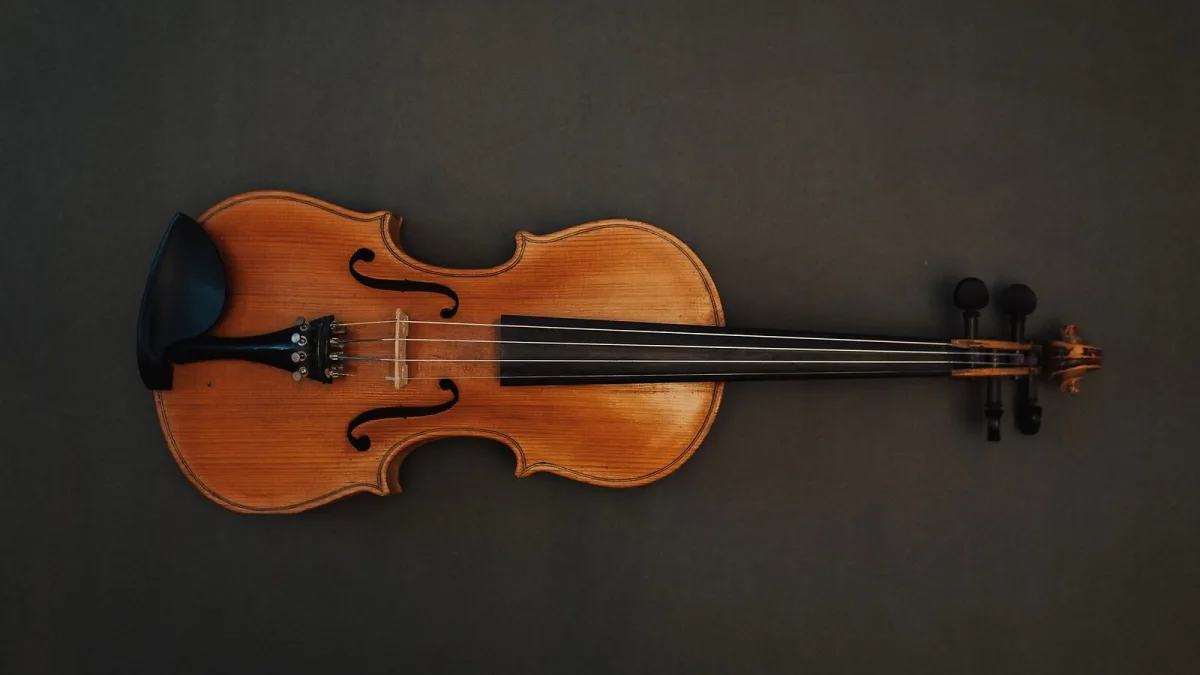
Buying a first violin, viola or cello is a task that catches many sensible parents and adult beginners off guard, because the choice is rarely about the instrument alone. Stentor has built its reputation on exactly this problem: affordable, well-made student instruments that a school or a first-time buyer can trust without needing a musicologist's education first. This guide takes you through the decision properly — which range to choose, what the materials tell you, how sizing works, and what to check before any money changes hands.
Start With the Range, Not the Price
The Stentor catalogue is arranged as a ladder rather than a single product line, and knowing where your player sits on it matters more than comparing individual price tags across different Stentor models:
- Student I — the entry point, with basic solid-wood construction. Sensible for a total beginner who hasn't yet committed to years of lessons.
- Student II — a step up, with more developed fittings, a carved spruce top and carved maple back and ribs. The natural choice for a student who's staying with lessons.
- Conservatoire, Elysia and Arcada — progressively more advanced ranges for players who've outgrown a basic student instrument.
- Messina — the top of the ladder, fully carved and hand-finished.
For a fuller picture of how these ranges differ technically, our overview of Stentor's features and types is worth reading alongside this guide.
What You're Actually Paying For
A typical outfit bundles the instrument, a bow, a case, strings and sometimes basic accessories such as rosin. It's tempting to judge value purely on what's included, but that misses the more important question: how good is the underlying instrument? A carved spruce top and carved maple back and ribs, an ebony fingerboard and pegs, and a composite tailpiece with built-in fine adjusters (small screws for delicate pitch corrections) are the details that separate a genuinely playable Stentor Student II from a bare-minimum outfit that merely looks similar in a photograph.
Sizing: Don't Guess by Age
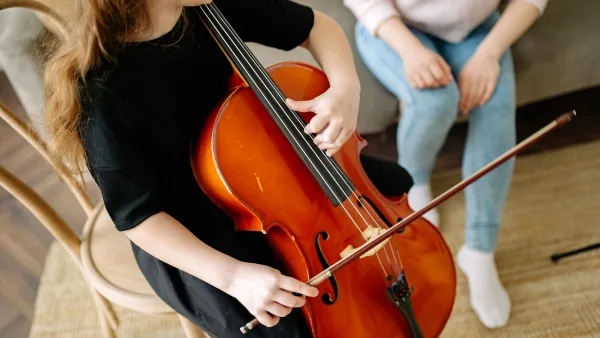
Violins and cellos come in fractional sizes, typically from 1/16 up to full size. Buying a Stentor by age chart alone is one of the most common — and most costly — mistakes a first-time buyer makes. A teacher or specialist should properly assess arm length, hand span, finger reach and whether the player can comfortably reach the instrument's upper positions. An instrument that's too large slows progress and can lock in poor habits well before anyone notices the cause.
| Instrument | Sizing note |
|---|---|
| Violin | Most standardised sizing; still needs a proper fitting, not just an age chart |
| Viola | Less standardised — body length and reach matter more than age |
| Cello | Larger and more vulnerable in transit; case quality is important |
| Double bass | Highly individual fitting; professional advice strongly recommended |
The Pre-Purchase Checklist
Before you buy or rent any instrument, ask a teacher or technician to check:
- Bridge alignment and curvature
- String height above the fingerboard, and nut height
- Peg operation — do they turn smoothly and hold their pitch?
- Soundpost position, inside the body just behind the bridge
- Fingerboard smoothness
- Bow straightness and the condition of the horsehair
- The quality and protection offered by the case
A modestly priced instrument that's been carefully set up will almost always outperform a pricier one that hasn't. If you'd rather approach the whole decision more gently as a complete newcomer, our beginner's guide to Stentor is written with exactly that reader in mind.
New, Used, or Rented?
Renting a Stentor is often the wisest first step for a young player who may outgrow a fractional size within a year or two — many music services and retailers offer rental schemes built around exactly this. Buying outright makes more sense once a player has settled into an instrument size and shown real commitment. Used instruments can offer good value, but insist on the same setup checklist above; a lower price is only a bargain if the instrument is properly adjusted underneath it.
Matching Range to Ambition
Don't over-buy for a beginner, and don't under-buy for a serious student. A total newcomer rarely benefits from starting on Conservatoire or Messina-level instruments; the subtleties they offer are wasted before basic technique is secure. Conversely, an advancing player stuck on a basic Student I instrument may find their technique outpacing what the instrument can actually deliver. If you want a view across the price tiers once you know roughly where your player fits, the best Stentor instruments for the money breaks it down further.
The Bottom Line
Choosing the right Stentor comes down to matching range, size and setup quality to the player in front of you, not to the longest features list or the shiniest finish. Get a proper fitting, check the setup rather than trusting it blindly, and almost any instrument on the Stentor ladder will serve a developing player well.





Comments