


Fiddle article
Fiddle Explained: Features, Types and Tips
A fiddle is a violin played in folk and traditional music — here is how it differs in technique, tuning and regional tradition from classical violin playing.
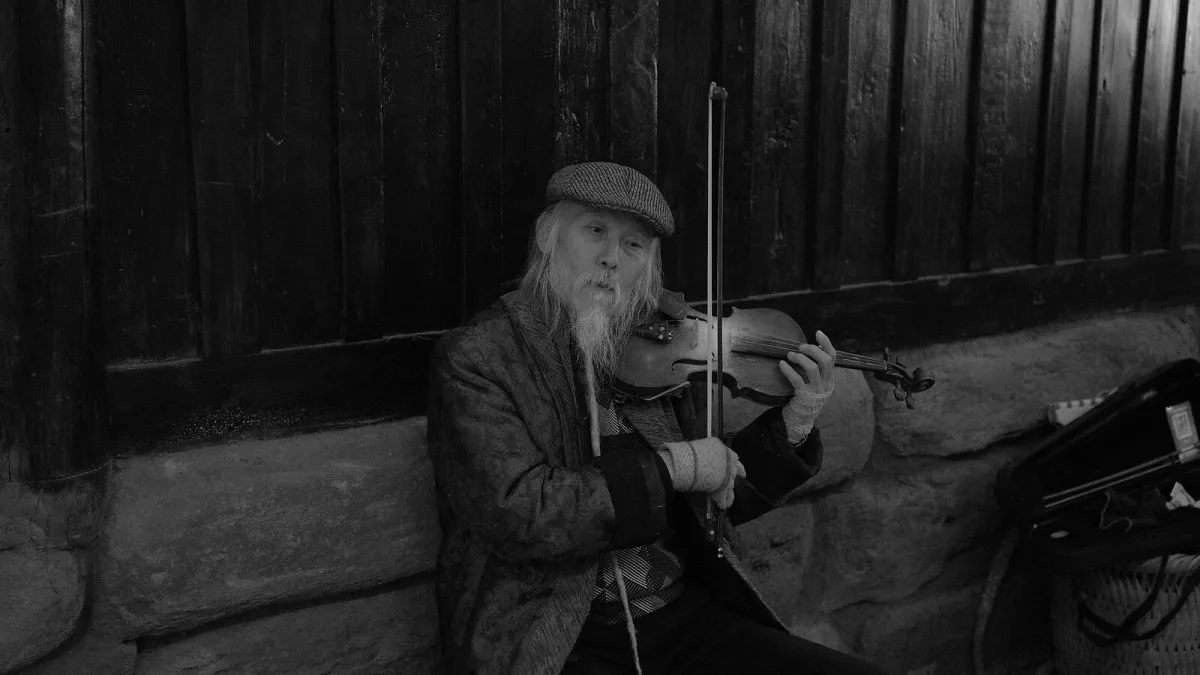
A fiddle is a violin played in a folk or traditional music context. The instrument itself is physically identical to a classical violin — the difference is entirely in how it is played, tuned and approached. Understanding this distinction helps you decide whether you need a different instrument or simply a different teacher and repertoire.
Fiddle vs Violin: The Key Differences
The same instrument produces both sounds. A violin fitted with a lower bridge and slightly flatter fingerboard will suit folk playing more naturally, but neither modification is mandatory — most players switch between folk and classical styles on a standard setup. The real distinction is in technique: fiddle players typically use a flatter bow hold, less formal posture, and different ornamental techniques (cuts, rolls and triplets in Irish music; slurs and double stops in bluegrass). The bow arm is usually more relaxed in folk styles.
Tuning in Fiddle Music
Standard fiddle tuning is GDAE (identical to violin). Folk players sometimes use alternative tunings — known as cross-tunings — to create drone strings or facilitate certain keys. Common cross-tunings include GDAD (used in some Irish and old-time music) and AEAE (used in bluegrass for open A drones). Cross-tuning involves retuning one or more strings from the standard pitch, which can affect intonation and string tension.
Regional Traditions
Folk violin music encompasses many distinct regional traditions, each with its own style, repertoire and technique:
- Irish traditional: Melodic, ornamented, primarily played in sessions. Uses cuts, rolls and triplets.
- Bluegrass: Driving, often played at high speed; uses double stops, shuffle bowing and chop technique.
- Old-time American: More drone-heavy than bluegrass; played for dancing.
- Scottish: Uses Scots snap rhythm; different from Irish despite surface similarities.
- Cajun: Driving rhythm, French-influenced, typically paired with accordion.
- Nordic: Includes Hardanger fiddle (with sympathetic strings) and Swedish folk styles.
Setup for Folk Playing
A standard violin setup works for fiddle, but some adjustments improve comfort in folk styles. A lower bridge action reduces the effort needed for bow pressure and makes cross-bowing and drone strings easier. Lighter strings (compared to some classical choices) respond more quickly for the rapid articulation folk music demands. Many folk players prefer a rounder bridge curve than classical players, as it facilitates open string drones and simpler double stops.
Learning Approach
Traditional folk music is largely learned by ear rather than from notation. This differs from classical training, where reading from sheet music is central. Ear-based learning — listening to recordings, attending sessions, and learning tunes from other musicians — is the traditional approach. Many folk teachers now use a combination of notation and ear learning, adapting to the student's background.
For guidance on choosing an instrument, see the buyer's guide. For beginners, the beginner's guide covers the first steps.
The Bottom Line
A fiddle is a violin played in a folk context, with different technique, ornaments and repertoire. Most violins can be used for folk playing without modification — the instrument is the same, the approach is different. Choose your starting tradition based on the music you love, then find a teacher or community with that specialisation.





Comments