


Fiddle roundup
Fiddle: A Complete Buyer's Guide
Buying a fiddle is about more than price — setup, strings and bow quality all matter as much as the instrument itself.
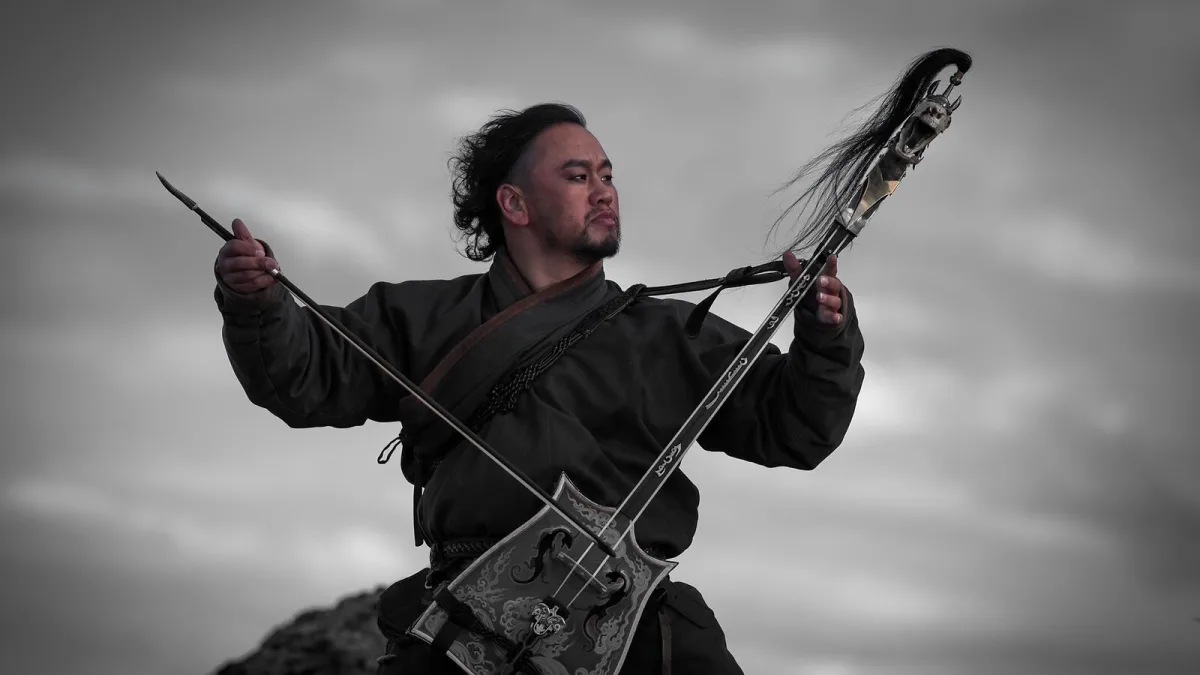
Buying a fiddle involves decisions that differ from buying a classical violin. Tradition, playing style, setup preferences and the instrument's response all matter. Whether you are buying your first instrument or upgrading, this guide covers what to evaluate.
New vs Secondhand
A used instrument from a reputable violin maker or specialist dealer often offers better value than a new instrument at the same price. Used instruments at the £300–£800 level that have been set up properly frequently outplay new instruments in the same range. If buying used, have the instrument inspected by a luthier before committing — check for cracks, open seams, and bridge and nut condition. A well-maintained used instrument can be an excellent starting point.
Budget Tiers
Under £200: adequate for a complete beginner testing whether folk music suits them. Build quality is variable; setup is often poor from the factory. Ask a luthier to set it up properly before playing. £200–£500: the minimum range for a genuinely usable instrument with a comfortable setup. Brands like Fiddlerman, Stentor and Eastman offer solid options in this range. £500–£1,500: the range where tone, projection and playability become significantly better. A well-made instrument at this level will carry a player from beginner through to advanced. Above £1,500: instruments worth considering for performance and gigging; hand-made by individual makers.
Setup Matters More Than Brand
An instrument at £300, set up by a skilled luthier, will outplay an £800 violin with a poor factory setup. Setup includes bridge height and shape, nut action, soundpost position, and string choice. For folk playing specifically, a slightly lower bridge action than the factory default helps with the rapid bow changes and double stops common in most fiddle traditions. Budget at least £50–£100 for a professional setup when buying a new instrument.
Strings
Strings make a significant difference to tone and response. Factory strings on budget instruments are often poor quality. Good options for folk playing: Thomastik Dominant (warm, responsive), D'Addario Pro-Arté (bright, affordable), and Thomastik Infeld Red (lively, good for folk). Avoid heavy-gauge strings for this type of playing — they respond slowly and can make ornaments harder to execute cleanly.
Bow Quality
A decent bow is as important as the instrument itself for tone and control. Pernambuco bows are the traditional standard but are expensive; carbon fibre bows (from manufacturers like CodaBow and Arcus) offer excellent response and durability at lower prices. A carbon fibre bow in the £100–£200 range will outperform most cheap wooden bows. Brazilwood bows are a reasonable mid-point. The bow weight and balance point affect stamina in long sessions — try several before buying.
Where to Buy
A specialist violin or folk music shop is preferable to a general music shop or online retail for your first purchase. Staff who play fiddle can help you find an instrument that suits the style you want to learn and can advise on setup. If buying online, use a retailer with a clear return policy and be prepared to have a luthier set the instrument up on arrival.
For a broad overview of what a fiddle is, see the features guide. For common errors to avoid, see the mistakes guide.
The Bottom Line
Buy the best fiddle you can afford in the £300–£600 range and invest in a proper setup. A secondhand instrument from a specialist dealer at that price, properly set up, is one of the best routes to a genuinely playable first fiddle.




Comments