


Double Bass article
Double Bass for Beginners: A Complete Guide
Starting the double bass well means choosing your style, establishing good posture and tone production early, and joining an ensemble as soon as possible.
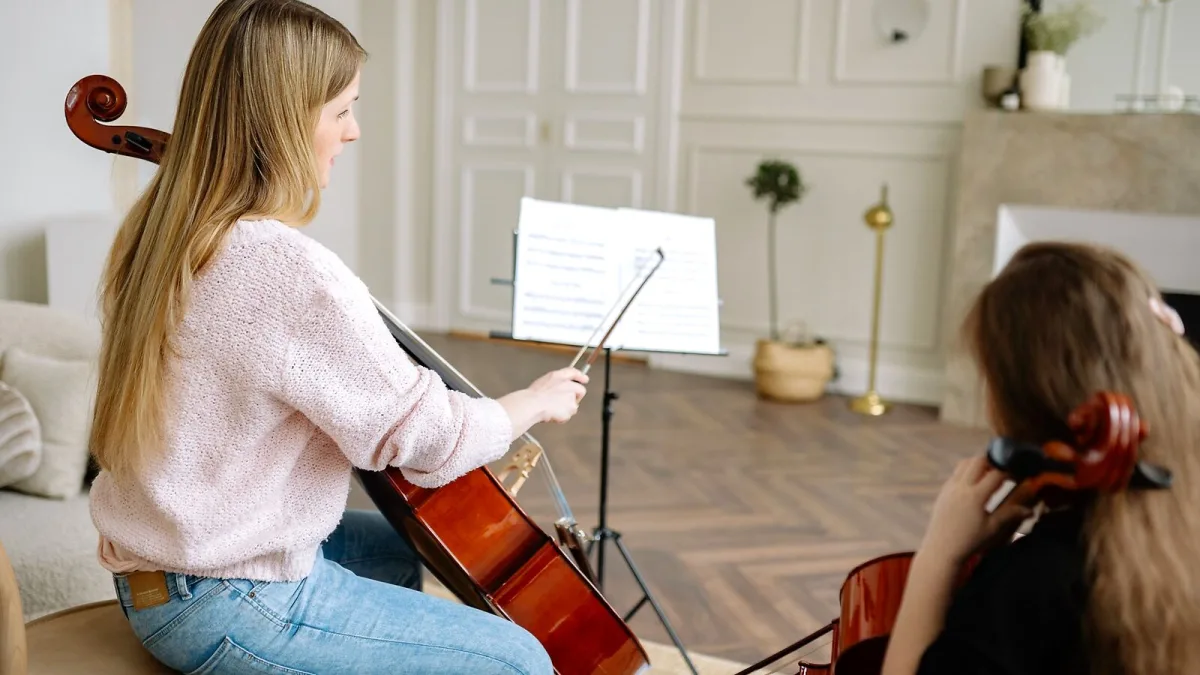
Starting the double bass is more straightforward than its size suggests. The fundamentals — good posture, relaxed bow arm and clean intonation — are the same as other string instruments, with adaptations for the instrument's scale and low register. Here is what to focus on as a beginner.
Choose Your Style First
Decide whether you want to play classical orchestral music, jazz, or both before choosing a teacher. The techniques differ in important ways: orchestral players use a bow throughout and focus on sustained tone and vibrato; jazz players rely heavily on pizzicato and a different rhythmic approach. A teacher who specialises in the style you want to learn will be more useful than a generalist, particularly in the first year when foundational technique is established.
Posture and Setup
Set the endpin length so the nut of the instrument is near your left shoulder when standing — the exact height depends on arm length and height. The instrument should lean slightly to the right, with the body resting against your left side and knee. Avoid tension in the left shoulder or neck. A stool set at the right height is useful for extended practice sessions. Poor posture causes fatigue and can lead to injury over time; a teacher who prioritises posture in the first lessons is essential.
Bow Technique
Start with short bow strokes in the middle of the bow, producing an even tone on open strings. The bow arm should feel heavy and relaxed, not pushed — let the weight of the arm produce the sound, rather than pressing. Practice producing a clear, clean tone before moving to left hand work. The bow contact point should sit between the fingerboard end and the bridge; moving it toward the bridge produces a louder, more focused sound but requires more control.
Left Hand and Intonation
The instrument's large scale length means the fingers are spaced further apart than on other string instruments. In the low positions, the standard approach uses one finger per semitone for the first three fingers and the fourth finger reaches a whole tone above the third. Use a drone or tuner to check intonation constantly in early practice — the ear needs time to adjust to the instrument's large intervals and low frequencies. Slow, careful practice with attention to pitch accuracy is more useful than fast practice that locks in wrong notes.
Finding a Teacher and Community
Bass players are in demand in youth orchestras, big bands and jazz ensembles — finding a community to play in is often easier than for rarer instruments. Contact local youth orchestras, music schools and jazz clubs. Many areas have bass-specific workshops and masterclasses. Playing in an ensemble from early on is strongly recommended; the rhythmic discipline and intonation awareness developed in ensemble contexts significantly accelerates learning.
For guidance on what instrument to buy, see the buyer's guide. For an overview of the instrument's features, see the features guide.
The Bottom Line
Begin the double bass with a teacher who plays the style you want to learn, prioritise posture and tone production before adding speed, and join an ensemble as soon as possible. Progress is faster than most beginners expect when the fundamentals are established correctly from the start.




Comments