


Tuner App roundup
Tuner App: A Complete Buyer's Guide
With dozens of tuner apps on the market, the differences are not always obvious. This buyer's guide breaks down what actually matters before you download.
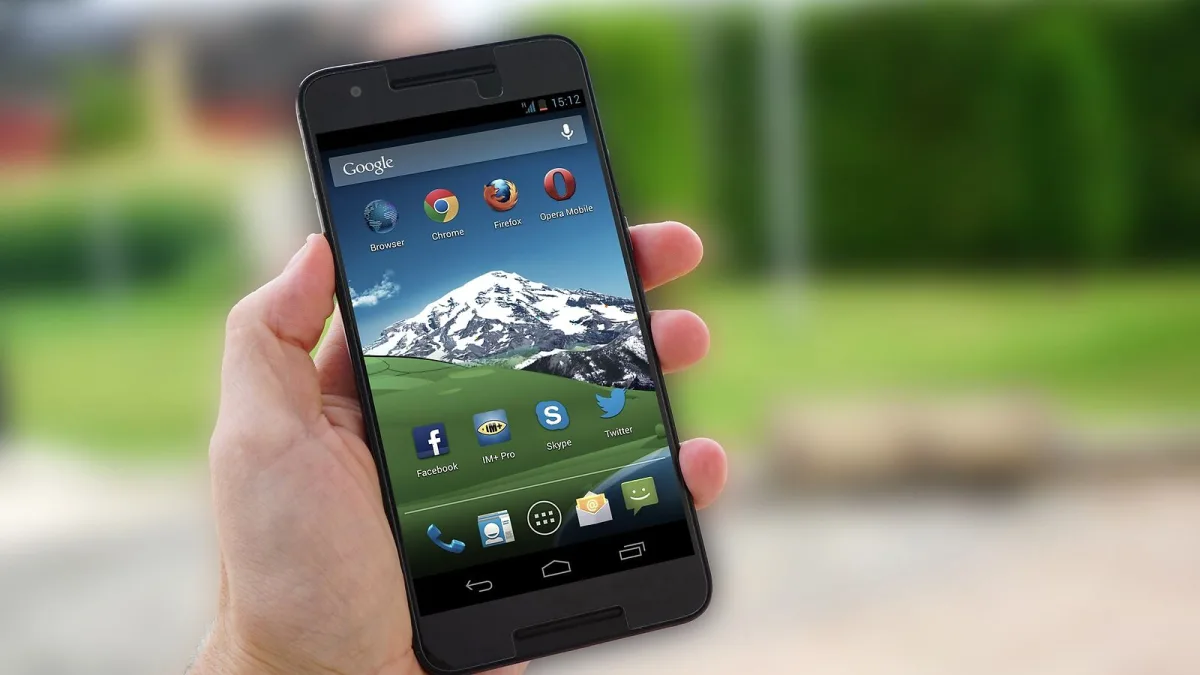
There are dozens of tuner apps on the App Store and Google Play, ranging from completely free to a few pounds, and the differences between them are not always obvious from the listing. This guide cuts through the noise and tells you exactly what to look for before you download — so your tuner app actually earns its place on your home screen.
Start with Your Instrument
The single biggest decision is whether you want a chromatic tuner or an instrument-specific tuner. A chromatic tuner detects any pitch in the 12-tone scale, making it useful for guitar, bass, ukulele, violin, brass, woodwind — anything. An instrument-specific tuner is preset for one instrument and steps through its standard strings, which is slightly more hand-holdy but less flexible for alternative tunings.
For most players, a chromatic tuner is the better long-term purchase. It handles every tuning you will ever want — standard, drop D, open G, DADGAD — without locking premium features behind a subscription. If you only ever play one instrument in standard tuning and find the chromatic display confusing, an instrument-specific app is fine.
Free vs. Paid: What You Actually Get
Free tuner apps are genuinely capable for everyday use. The distinction between free and paid usually comes down to three things:
- Accuracy and display type: Premium apps like Cleartune (around £2.49) and insTuner (iOS) offer strobe displays accurate to ±0.1 cents — a fraction of a semitone. Free apps use needle or bar displays, which are perfectly accurate enough for standard practice and gigging.
- Temperament support: If you play early music, baroque violin or certain folk styles, you may need tuning systems beyond equal temperament — just intonation, meantone, Pythagorean, and so on. These features almost always cost money.
- Adverts: Many free apps run adverts, which is fine on a practice stand but annoying mid-gig. A one-off paid upgrade removes them.
Accuracy: What the Numbers Mean
Tuner apps measure deviation in cents — there are 100 cents in a semitone, so a reading of +8 cents means you are about 8% of a semitone sharp. In practice, anything within ±5 cents is close enough for most ensemble playing; solo or recording work benefits from getting within ±2 cents.
All of the well-known apps hit this in quiet conditions. The real difference shows up in a noisy rehearsal room, where cheaper apps with poor noise filtering will jump around unpredictably. If you tune live on stage, prioritise noise rejection and signal threshold settings over raw accuracy figures.
Platform Considerations
iOS and Android have slightly different ecosystems for tuner apps. A few standouts worth knowing:
| App | Platform | Price | Standout Feature |
|---|---|---|---|
| GuitarTuna | iOS & Android | Free (freemium) | Instrument-specific, massive user base |
| Pano Tuner | iOS & Android | Free | Clean chromatic display, no ads |
| Cleartune | iOS & Android | ~£2.49 | Strobe, full temperament library |
| PitchLab | Android | Free / Pro | Spectral display, deep analysis |
| insTuner | iOS | Free / £2.49 | Strobe accuracy, wide calibration |
| Boss Tuner | iOS & Android | Free | Guitar/bass, clean interface |
| DaTuner | Android | Free / Lite | Extremely fast response |
Audio Input: Microphone or Plug-In?
Most players use the built-in microphone, which works well at home. For live or electric guitar use, connecting your instrument via a TRRS adapter (a headphone-to-jack cable with a split connector) or a small audio interface like an iRig gives a much cleaner signal. The tuner app locks on faster, is not confused by stage noise, and reads more accurately.
Check whether the app you are considering supports audio input from an interface — most do, but a handful only accept the built-in mic. This matters if you are buying partly for live use.
Calibration and Reference Pitch
The standard concert pitch is A440 — A4 vibrating at 440 Hz. If you ever play with orchestras, period instrument ensembles, or certain folk traditions that use different standards (baroque ensembles often tune to A415), you will need an app that lets you shift the reference pitch. Most paid apps offer a range of at least 415–466 Hz; some free apps are fixed at 440.
Even if you only play in standard A440 today, a calibration-capable tuner app is more future-proof. It costs little to nothing extra.
What to Ignore
Several features in marketing blurbs are less important than they sound:
- Polyphonic tuning: Some apps claim to tune all six strings at once. In practice this is a novelty — tuning one string at a time is faster and more reliable.
- Built-in metronome: Handy, but you likely already have a metronome app you prefer. Don't pay extra for one you won't use.
- Backing tracks or chord libraries: These are separate features bundled in to justify a higher price. Judge the tuner on the tuner's merits.
The Bottom Line: What to Buy
For most players, start free. Pano Tuner (iOS/Android) or DaTuner (Android) are competent chromatic options with no adverts and no catch. If you use a lot of alternative tunings or need strobe accuracy for intonation work, spending £2–3 on Cleartune or insTuner is genuinely worthwhile.
Once you have chosen, take time to understand how it works — the full feature explainer covers pitch detection, displays and accuracy in depth. If you are just starting out, the beginner's guide will get you up and running quickly.



Comments